
Dear Visitor! We are carrying out maintenance this weekend, so our website may be slow or briefly unavailable at times. Thank you for your patience!
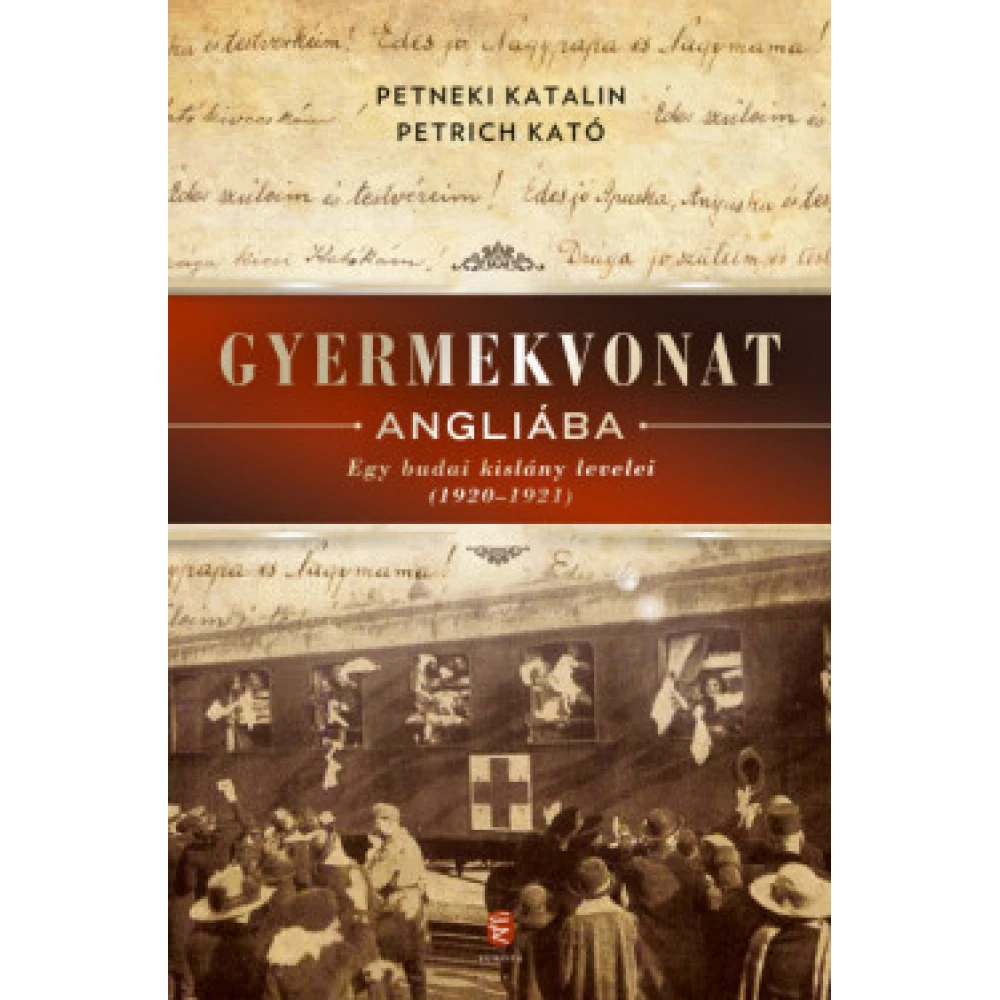
Petneki Katalin, Petrich Kató - Gyermekvonat Angliába - Egy budai kislány levelei (1920-1921)
3 608 Ft
Product description
"It's so fun to ride a bike. It's a shame that women don't ride bikes in Hungary either," writes Kató in his letter, proudly telling his parents that he "almost knows how."
The First World War brought great misery to the losing countries. Within the population, it mostly affected the children of the capital city. There were many war orphans, but those whose parents were alive also suffered from the lack of goods. There was hardly any food, clothing and fuel. The Netherlands and Switzerland, which were neutral in the war, and then England and Belgium, among the victorious countries, tried to alleviate this situation with the action that became known as the children's trains. These trains ran between 1920 and 1930 under the domestic patronage of the National League for the Protection of Children, bringing children to foreign families who agreed to raise them, teach them, and especially feed and clothe them for a longer or shorter period of time. A twelve-year-old girl from Buda, Kató Petrich, also traveled with the English transport, who recorded all the events of her time spent in foster care. His diary and correspondence, which he kept during his stay in Bridgwater, have been found intact almost a hundred years later. Cheerful, funny, optimistic, nostalgic writings, drawings, photographs. It is a unique collection of documents, as until now only scattered memories of the fate of the children participating in the action abroad have remained. From Kató's letters we can learn about the events in England, and from the reply letters we can see what difficulties even a middle-class family in Buda had to deal with after the Great War.
For now, cycling, even if it's "gutsy", has been pushed to the background in the list of things to do...
PRICE NOTIFICATION
NOTEBOOK SEARCH

OPINIONS
0.0
