
Dear Visitor! We are carrying out maintenance this weekend, so our website may be slow or briefly unavailable at times. Thank you for your patience!
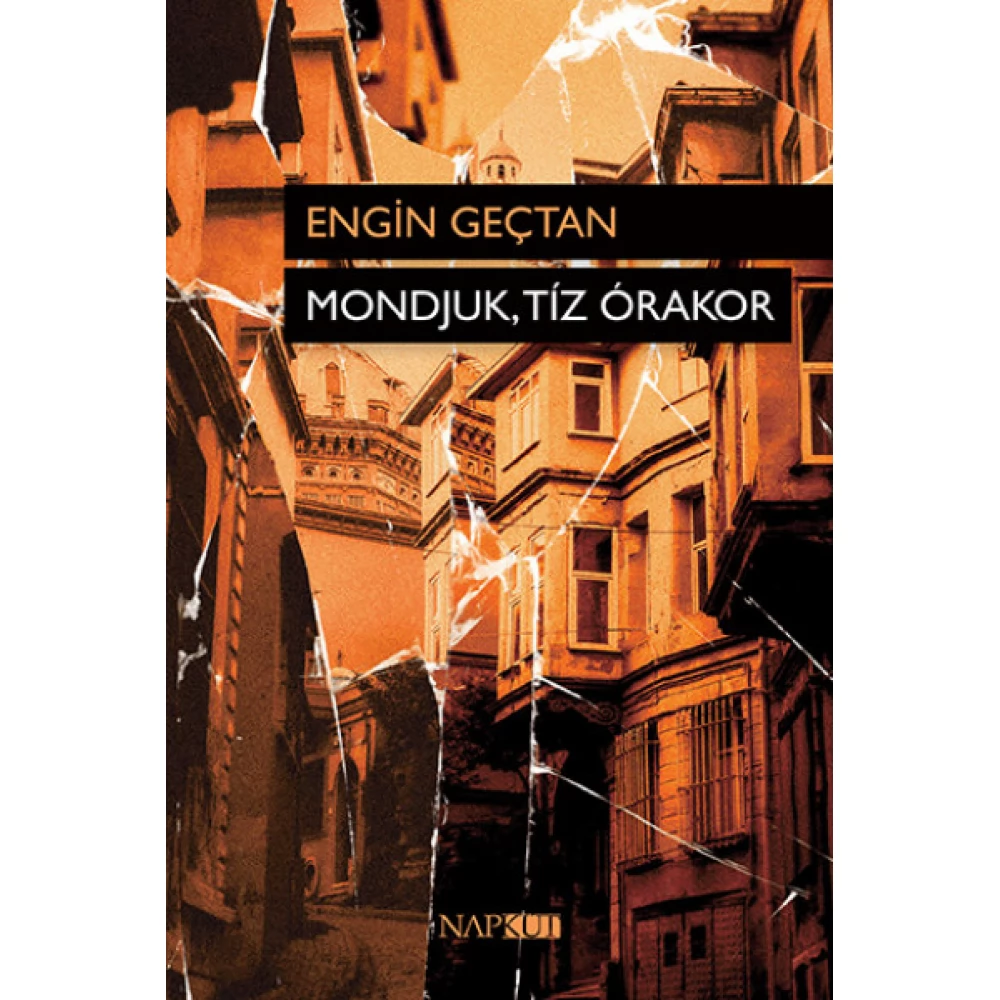
Engin Gectan - Mondjuk tíz órakor
2 738 Ft
Product description
"The man's name is Thirty, and his years are twenty-nine," and he has something of that thing called charisma. He dedicated his life to making old women happy because that was the only way he felt he existed.
The woman's name is Szegfű, although she was named Vég at birth. Her father's excessive interest almost suffocated her when she was a little girl. Szegfű once left home under the pretext of skipping over to the neighbor's house, and that same afternoon secretly married his God-darkness, who later turned out to love men.
The chance meeting of Harminc and Szegfű starts a chain of strange events. Baby Ali and his criminal gang appear, an earthquake shakes the unnamed Turkish city that is the setting of the novel, international terrorists hijack a passenger plane, Countess Hürrem turns out not to be French, a reality show star cuts herself in the stomach at different times in the lobby of a hotel with a strange name, and people living in different time planes talk to each other in a morning radio show... However, these events not only affect the characters in the lives of Harminc and Szegfű, but also that of Vigyázó, who reads the book about them. Vigyázó realizes that "what is written in that book happens, or the book is written according to what happened."
Engin Geçtan's novel is reminiscent of a raging flood, an absurd river that has left the bed of normality, which, carrying more and more characters and events, gallops towards its unknown destination, dragging the readers with it into the chaos.
The very familiar characters in the novel - politicians, business owners, tabloid characters, housewives, doctors - portrayed with subtle humor and deep understanding of people, have a multifarious fate, yet they intertwine at several points thanks to a mysterious book and an earthquake. Following their stories, we can see modern Istanbul and its inhabitants in a cracked, distorted mirror, while we have to face the fact that the normal and the absurd are very malleable categories.
PRICE NOTIFICATION
NOTEBOOK SEARCH

OPINIONS
0.0
