
Dear Visitor! We are carrying out maintenance this weekend, so our website may be slow or briefly unavailable at times. Thank you for your patience!
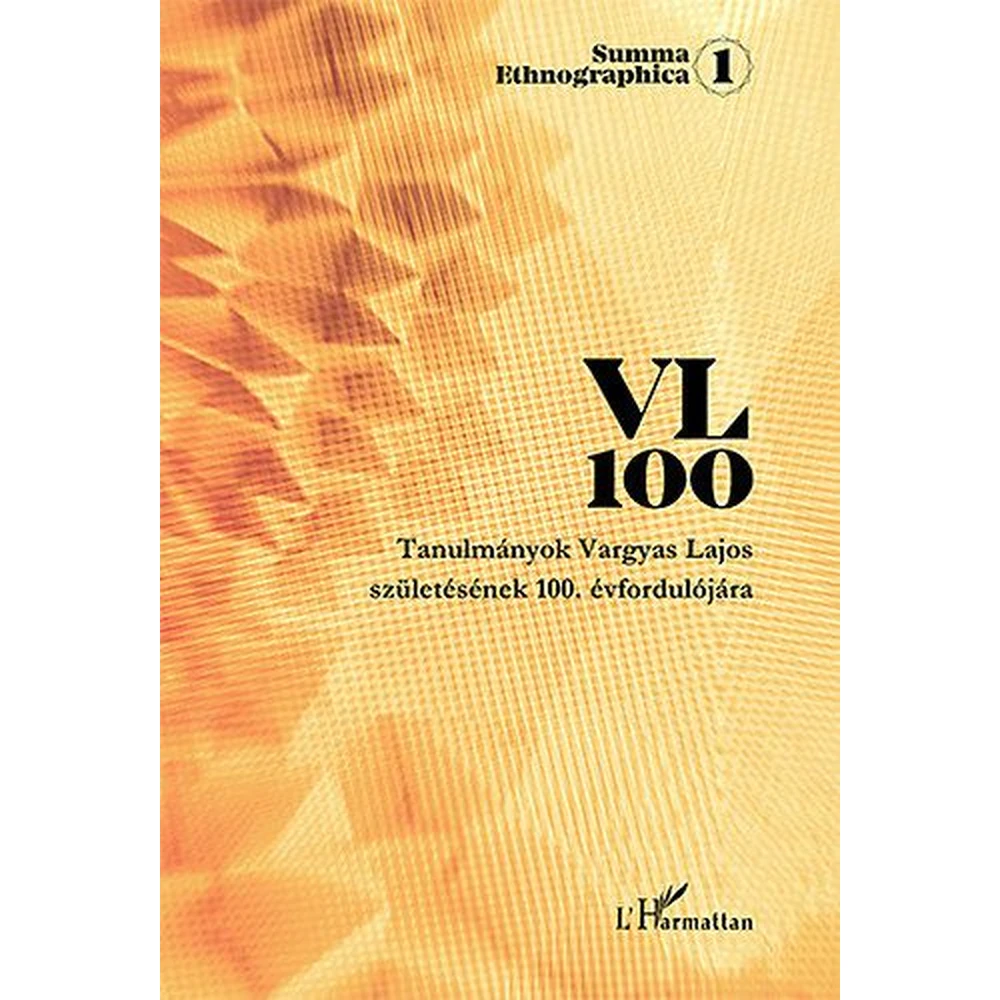
VL 100
2 952 Ft
Product description
The reader is holding the first volume of a new series. Summa Ethnographica was born out of necessity. In recent years and decades, scientific and scientific political life has accelerated explosively. Only in the broader sense of ethnography (historical ethnography, folkloristics, social ethnography, sociocultural anthropology, etc.) are dozens of thematic conferences, round tables, commemorations, and discussion sessions organized each year, the publication of which would stretch the available frameworks of specialized journals. At best, their materials are incomplete, after many years of delay, they see the light of day here and there, depending on the possibilities.
Summa Ethnographica wishes to fill this void, serving as a forum in Hungarian and/or foreign languages for all those events and results that, until now, could not be integrated into our discipline due to the lack of a unified, common publication opportunity, could not exert their fruitful effect.
The VL 100. Tanulmányok contains the material of the lectures of the MTA commemorative meeting of the same name organized in 2014 for the 100th anniversary of the birth of Lajos Vargyas, supplemented with the writings of new authors, as well as some previously unpublished writings of Lajos Vargyas.
Some of the authors evaluate and shed new light on various aspects of Vargyas's wide-ranging scientific work, which founded and/or concluded an entire era in several scientific fields; another part examines their scientific approach, methodological writings or methodological guiding principles that can be extracted from their works. The volume contains the largest number of writings that present a side of Vargyas's work that has not been studied much so far: his activities as academic director, director, editor, university lecturer, supporting and organizing research in related fields (primarily folk dance research).
With this study volume, the authors and the editor of the conference volume wish to raise a worthy memory of the outstanding figure of Hungarian ethnographic and folk music research who passed away seven years ago.
PRICE NOTIFICATION
NOTEBOOK SEARCH

OPINIONS
0.0
