
Dear Visitor! We are carrying out maintenance this weekend, so our website may be slow or briefly unavailable at times. Thank you for your patience!
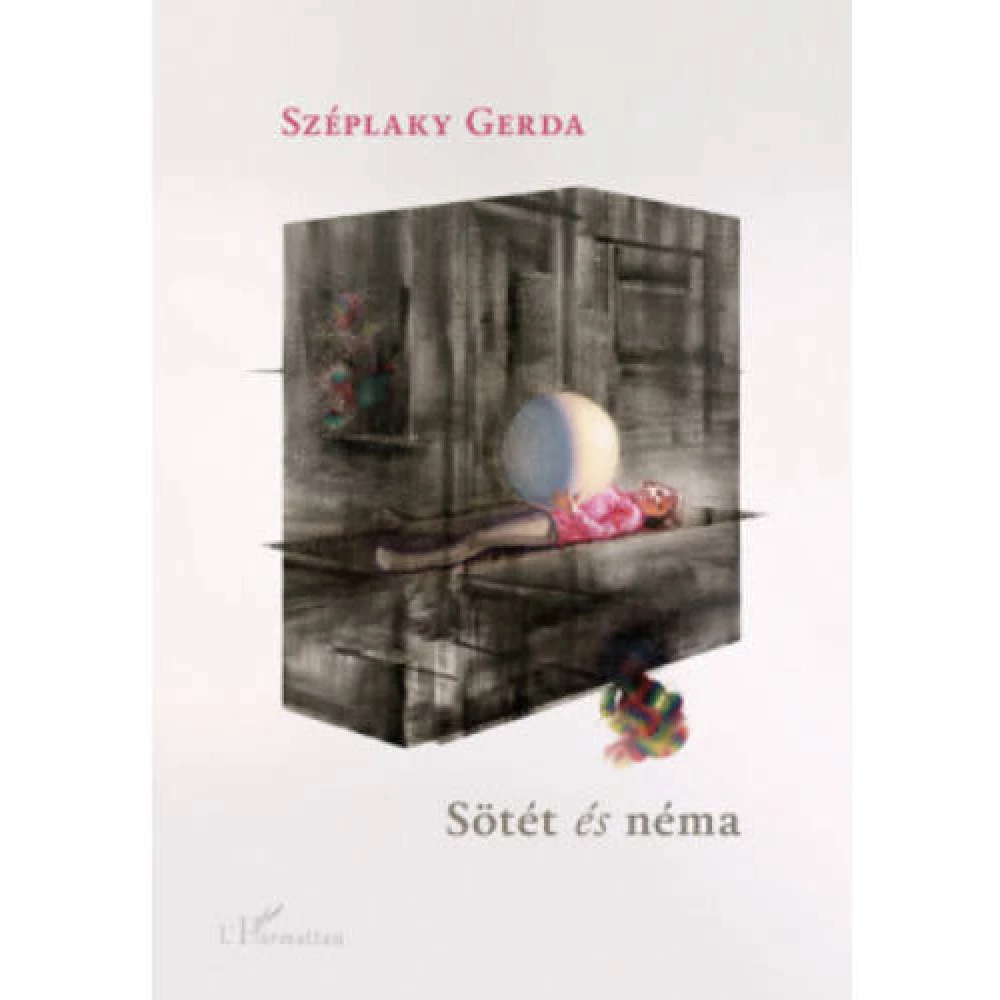
Széplaky Gerda - Dark and dumb
3 130 Ft
Product description
If anxiety can be identified by experiencing the dark realm, confronting the Nothing should also be defined as one of the strata — and that realm is the same age as humanity. Fear of death and fear of bodily pain can all be classified here as tones that can be classified as timeless human experiences. But the kind of blackness to which Adorno refers, and which over time has become both more concentrated and a more sticky and darker mass, has gradually emerged from the history of mankind. Over millennia, meaningless wars, accumulated violence, and suffering have condensed into the elusive quality of life that is about to melt and weigh on the souls of mankind. World wars, genocides make all this obvious, tangible, undeniable. Darkness has emerged from invisibility in the 20th century: it has become a visible and perceptible realm - at least in the unconscious of European man. [...]
The dark range throbs there in thousands of shapes, moments, questions - suppressed, muted, balanced "" on the edge of silence "", but in its transparency and comprehensibility it can still be pointed out. For darkness, as a density of experience and as a metaphysical experience, shows itself only through the phenomenon of trauma. That’s why I analyze this phenomenon in so many essays. Moreover, I describe the era beginning in the second half of the 20th century - following Sigmund Freud and Aleida Assmann - as a culture of trauma, and I base it on the radical deficit that I identify with the Lack of God. Examining the tones of darkness, I touch on the issues of historical references and artistic representations, first and foremost, on the possibilities of literary and film processing of the Holocaust. But the most important thing for me is to explore and understand the philosophical problems that arise from these. My writings are therefore not artistic analyzes in the traditional sense, but heterophilosophical essays, the stakes of which are both aesthetic and philosophical, as given by both artistic and philosophical texts.
PRICE NOTIFICATION
NOTEBOOK SEARCH

OPINIONS
0.0
