
Dear Visitor! We are carrying out maintenance this weekend, so our website may be slow or briefly unavailable at times. Thank you for your patience!
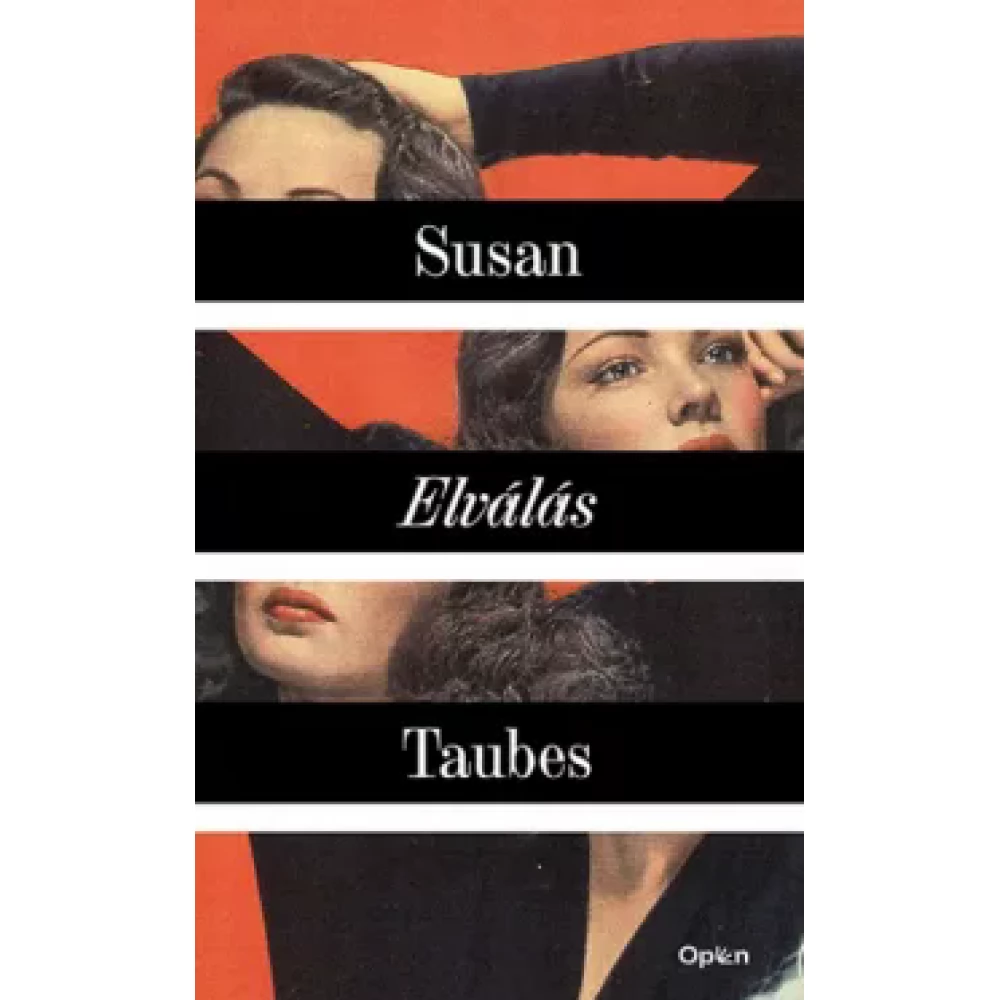
Susan Taubes - Elválás
3 921 Ft
Product description
Two divorces are at the center of this novel, which combines dreams and reality with lyrical power: Sophie Landsmann, born in pre-war Budapest, first experiences the process of separation full of pitfalls and promises in her parents' life, then as an adult woman she herself leaves a man, and then, tossing and turning between lovers, finally he finds himself and the meaning of his Jewishness.
Although Sophie's new homes, the United States and Paris, urge her to forget, she always keeps the memory of her homeland, and the reader can travel with her back to Hungary in space and time to find out: what experiences, secrets, and forces shaped Sophie into the person she is. he became mature.
In Susan Taubes's novel interwoven with autobiographical elements, separation is much more than the end of a relationship between two people: the writer depicts the splitting, moving away and coming together of external and internal worlds with impressively authentic, sometimes surreal brushstrokes.
The cult novel - which is now being rediscovered by readers in the United States - was decades ahead of its time. Marked by the names of Karl Ove Knausgard and Rachel Cusk, it can also be considered a forerunner of the literature here, which is very popular in reality but beyond fiction.
Susan Taubes (1928-1969) was born Zsuzsanna Judit Feldmann in Budapest, her father was a psychoanalyst and her grandfather was a rabbi. He immigrated to the United States with his father in 1939 and settled in Rochester, New York. He studied philosophy and religious history in Jerusalem and then at the Sorbonne. Taubes and her husband were among the closest friends of Susan Sontag and her husband, Philip Rieff. In the 1960s, Taubes became a member of the experimental Open Theater, published short stories and wrote two novels: one is Elválás, and the other is the soon-to-be-released Lament for Julia. He committed suicide in November 1969, shortly after the release of The Separation.
PRICE NOTIFICATION
NOTEBOOK SEARCH

OPINIONS
0.0
