
Dear Visitor! We are carrying out maintenance this weekend, so our website may be slow or briefly unavailable at times. Thank you for your patience!
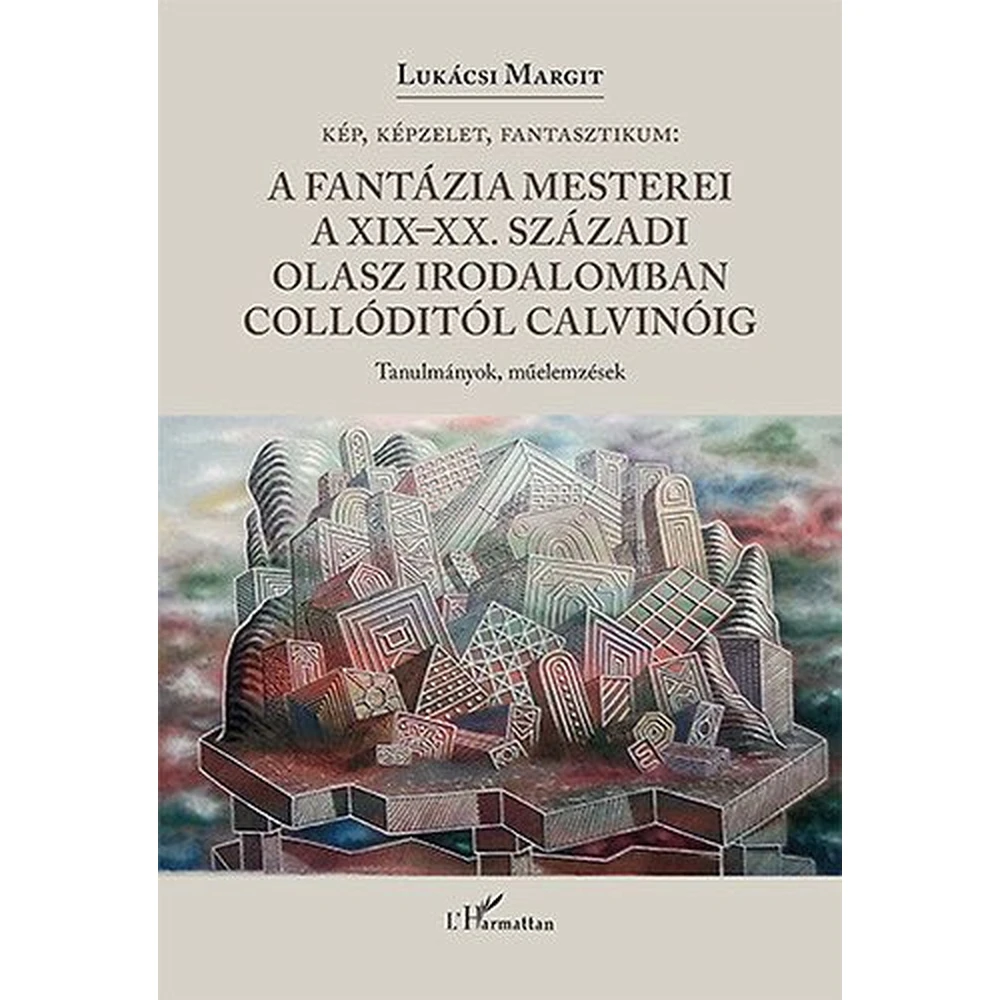
Lukácsi Margit - Kép képzelet fantasztikum - A fantázia mesterei
2 235 Ft
Product description
FANTASY is one of the possible ways of knowing. After the publication of Todorov's seminal work, Introduction to Fantastic Literature, the fantastic narrative with certain historical roots, a canonized theme, and characteristic rhetorical procedures was observed with increased interest by Italian literary historians. The word fantastic has a different meaning in French and Italian literary usage. In French, narratives that create a terrifying effect are called fantastical narratives, which assume an emotional readership. In Italian usage, the terms fantasy and fantastic presuppose the acceptance of a different kind of logic: it means the free flight of the imagination, the wonder and surprise offered by new and new reading experiences. Fantasy literature is not the same as literature about the supernatural, but, in the words of Italo Calvino, it is about the difference between linguistic expression and sensual experience, about the elusiveness of pictorial fantasy. When the writer creates his work, he actually builds it from the constituent elements of three worlds: he combines the infinity of his own imagination and the infinity of experiential life material with the infinity of the linguistic possibilities of writing. Margit Lukácsi's book presents this imaginary universe, starting from the literature of Scapigliatura in Milan and Collodi's Pinocchio, through the metaphysical and surrealistic prose of Savinio, the magical realism of Bontempelli, the fantastic space-time approach of Buzzati, the linguistic fantasticism of Landolfi, and the fantasticalism based on combinatorial imagery of Calvino.
Margit LUKÁCSI is a teacher at the Department of Italian at Pázmány Péter Catholic University, an Italianist, and a literary translator. His area of interest is the translation of contemporary Italian literature, the relationship between literature and visual arts.
PRICE NOTIFICATION
NOTEBOOK SEARCH

OPINIONS
0.0
