
Dear Visitor! We are carrying out maintenance this weekend, so our website may be slow or briefly unavailable at times. Thank you for your patience!
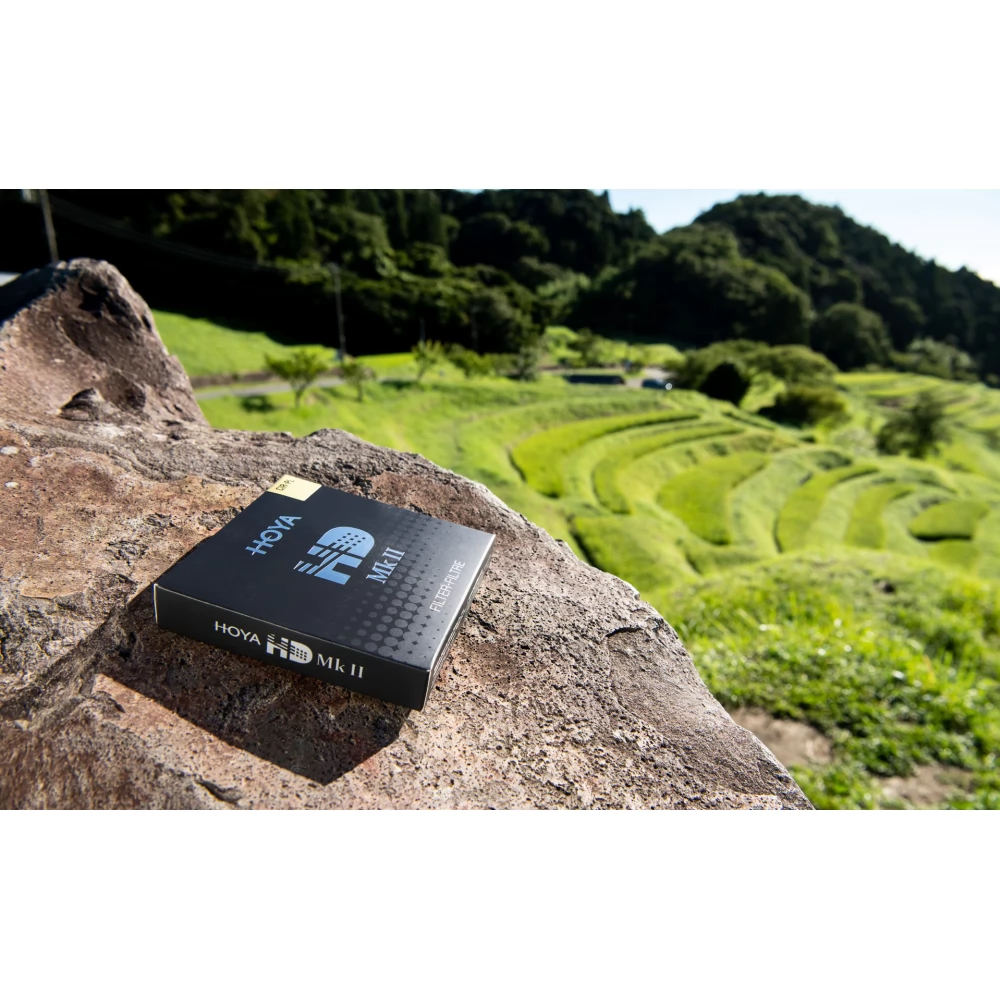
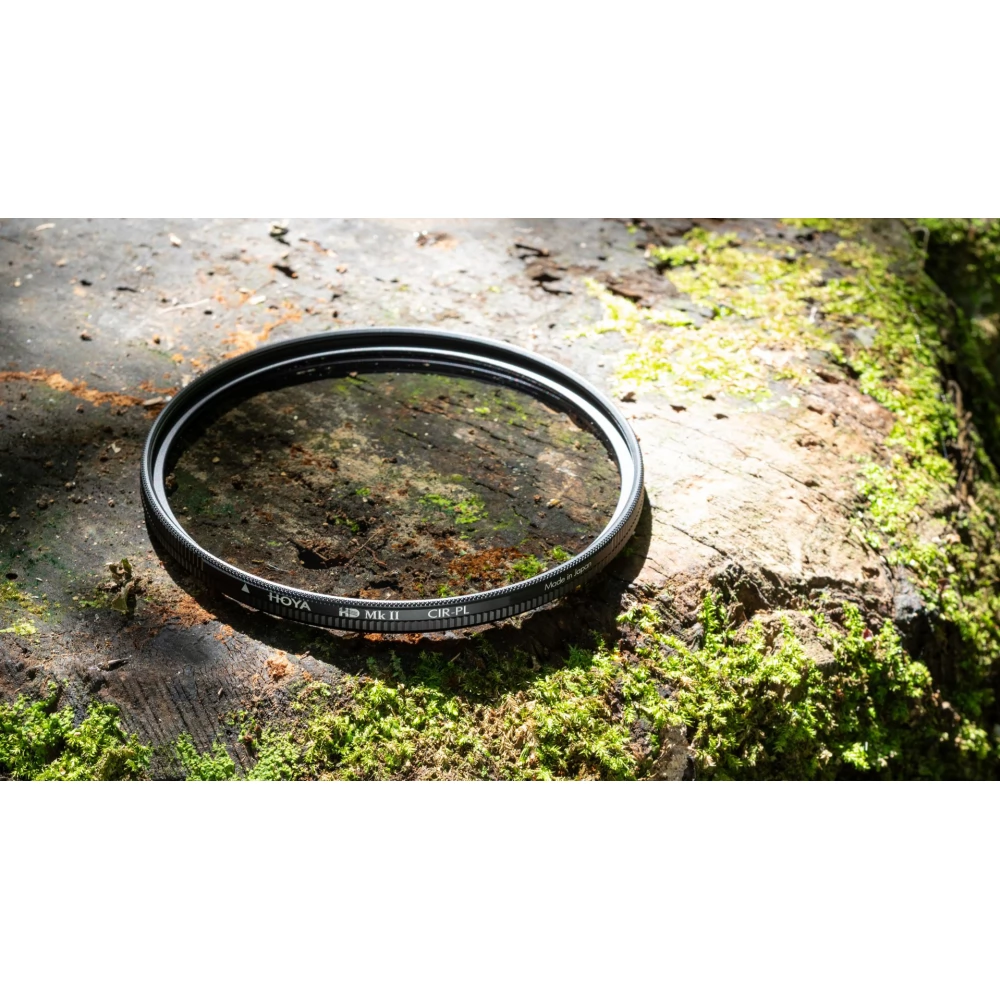
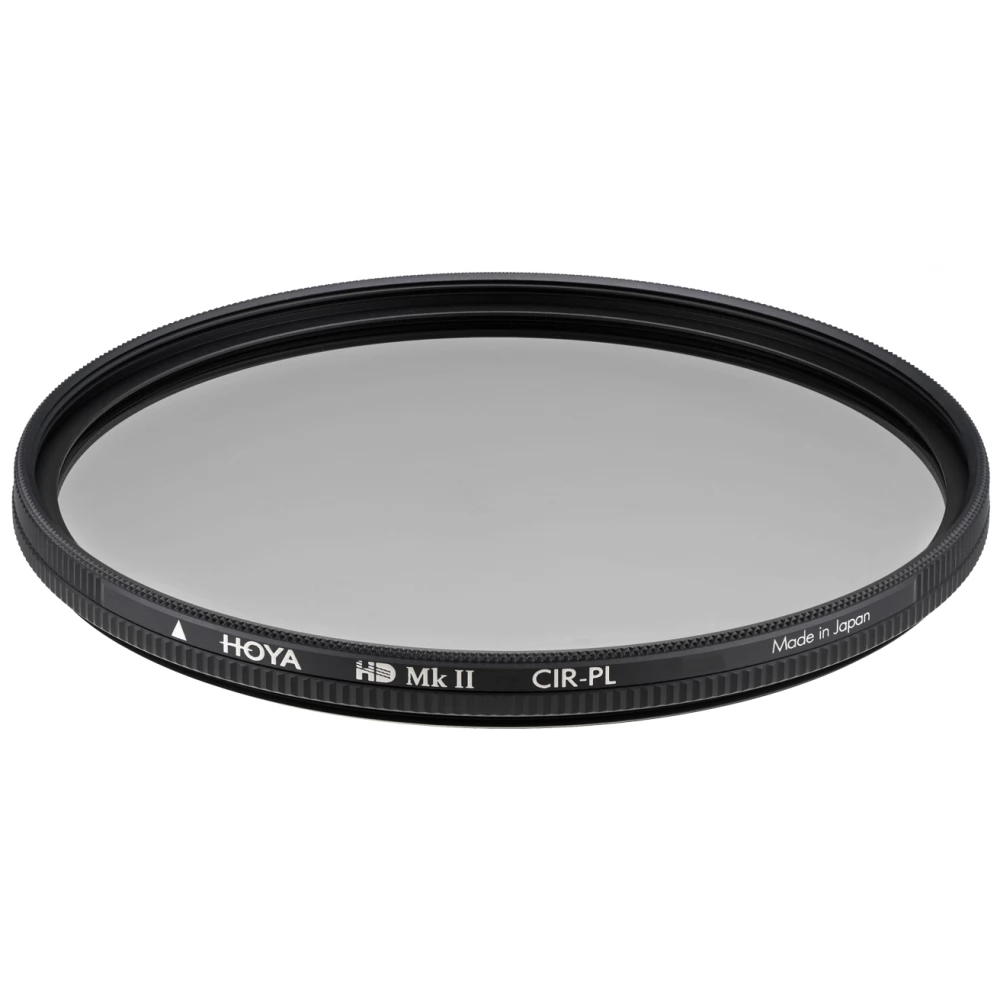
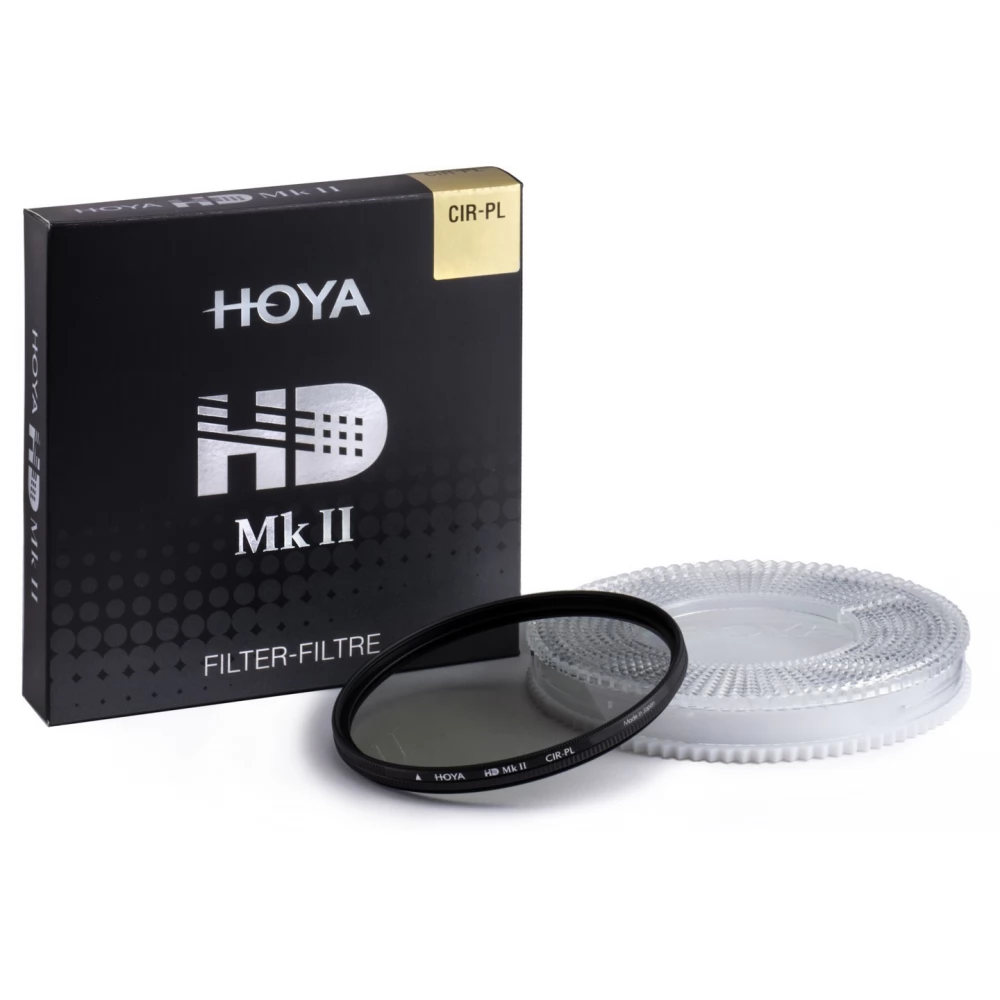
HOYA HD Mk II CIR-PL 72mm
48 490 Ft
Product description
HD Mk II CIR-PL UV-absorbing high-transparency polarizing film is equipped with 25% better light transmission than conventional polarizing film used in current photo filters. This means nearly 1/2 stop more light enters the lens while producing the same polarization effect, maintaining color balance while improving contrast and clarity.
CONTROL REFLECTIONS
Because light reflected from non-metallic surfaces is polarized, the HOYA HD Mk II CIR-PL filter allows you to control what light enters the lens, giving you more creative opportunities to enhance your image.
One such possibility is to reduce reflections, for example on water surfaces. With the HOYA HD Mk II CIR-PL filter, you can greatly control and remove reflections, allowing you to display the natural colors and details of underwater objects.
It is also possible to reduce reflections from glass surfaces, allowing you to see through glass windows.
ENHANCING CONTRAST AND COLOR SATURATION
This filter is not limited to controlling surface reflections. Light waves reduce the clarity and saturation of certain colors, making them appear veiled in the final photograph.
The HOYA HD Mk II CIR-PL also filters out these light waves, greatly improving color contrast and providing deeper and more natural hues that make skies and green foliage appear more defined.
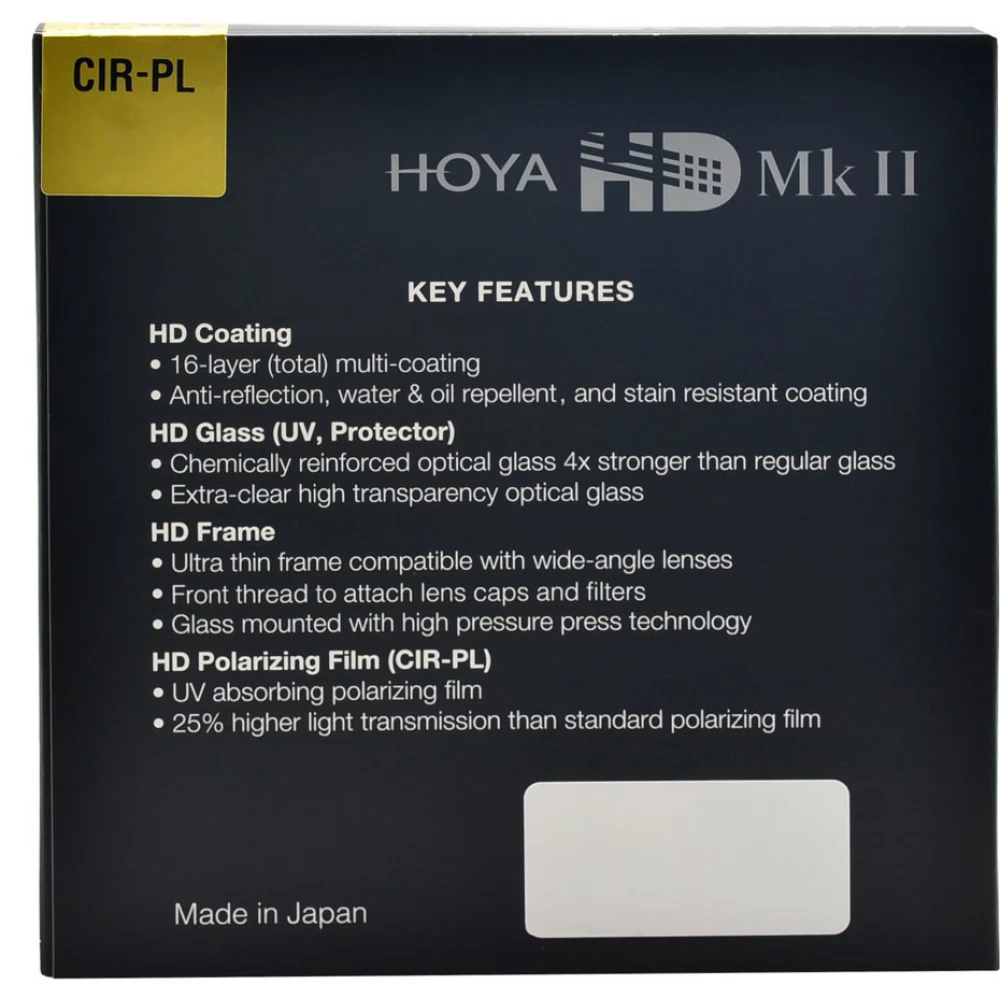
IMPORTANT FEATURES
HD STRENGTHENED GLASS
The HOYA HD Mk II CIR-PL is equipped with HOYA's high-quality HD glass, which is a special chemically strengthened optical glass - offering four times better protection than conventional glass.
HD HIGH PERMEABILITY COATING
The 16-layer anti-reflection multilayer coating on both sides of the filter glass greatly reduces the chance of reflections caused by the filter. Since the coating is water- and oil-repellent and stain-resistant, cleaning the filter is easy and stress-free.
HD LOW PROFILE FRAME
The glass of the HOYA Mk II Protector is attached to the frame using a special high-pressure pressing technology, which provides additional stability, which contributes to the robustness of the filter.
PRICE NOTIFICATION
NOTEBOOK SEARCH

OPINIONS
0.0
