
DJI Mavic 3 Enterprise Multispectral (C2) + Enterprise Shield Basic (Auto-Activation)
not available
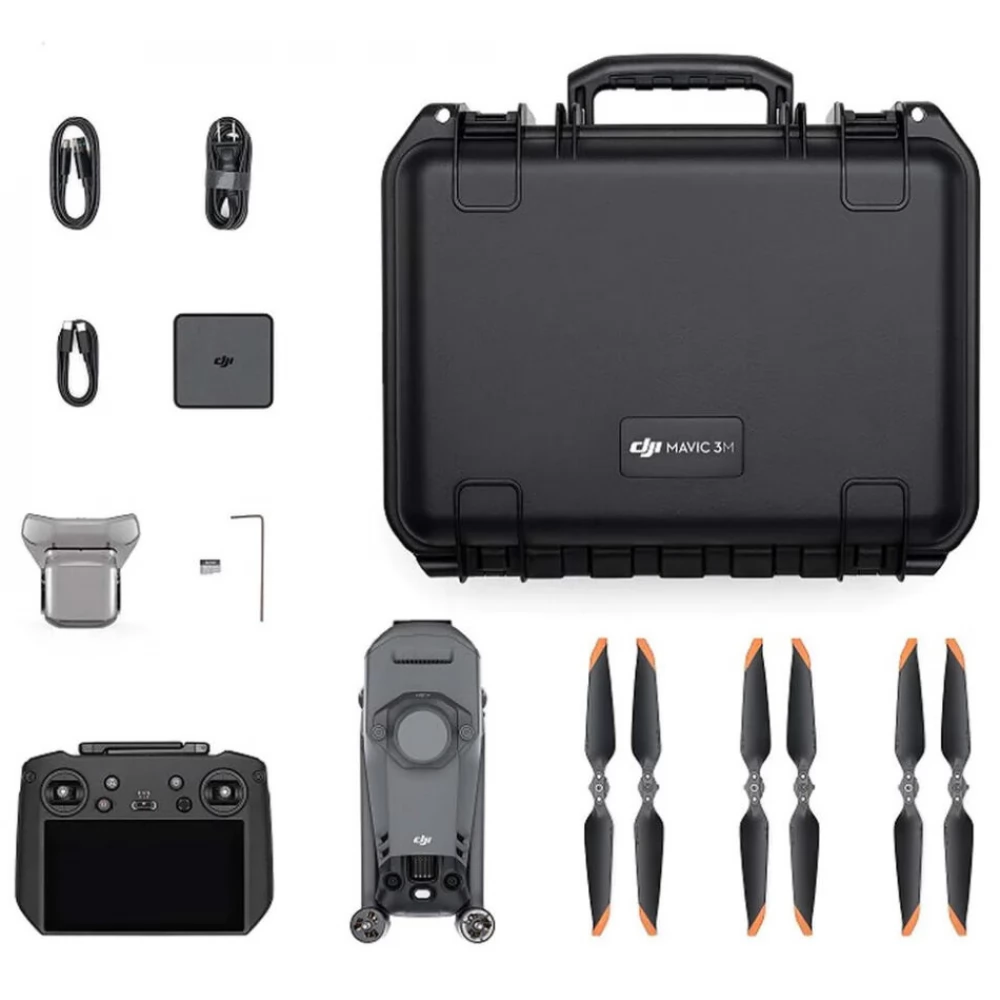
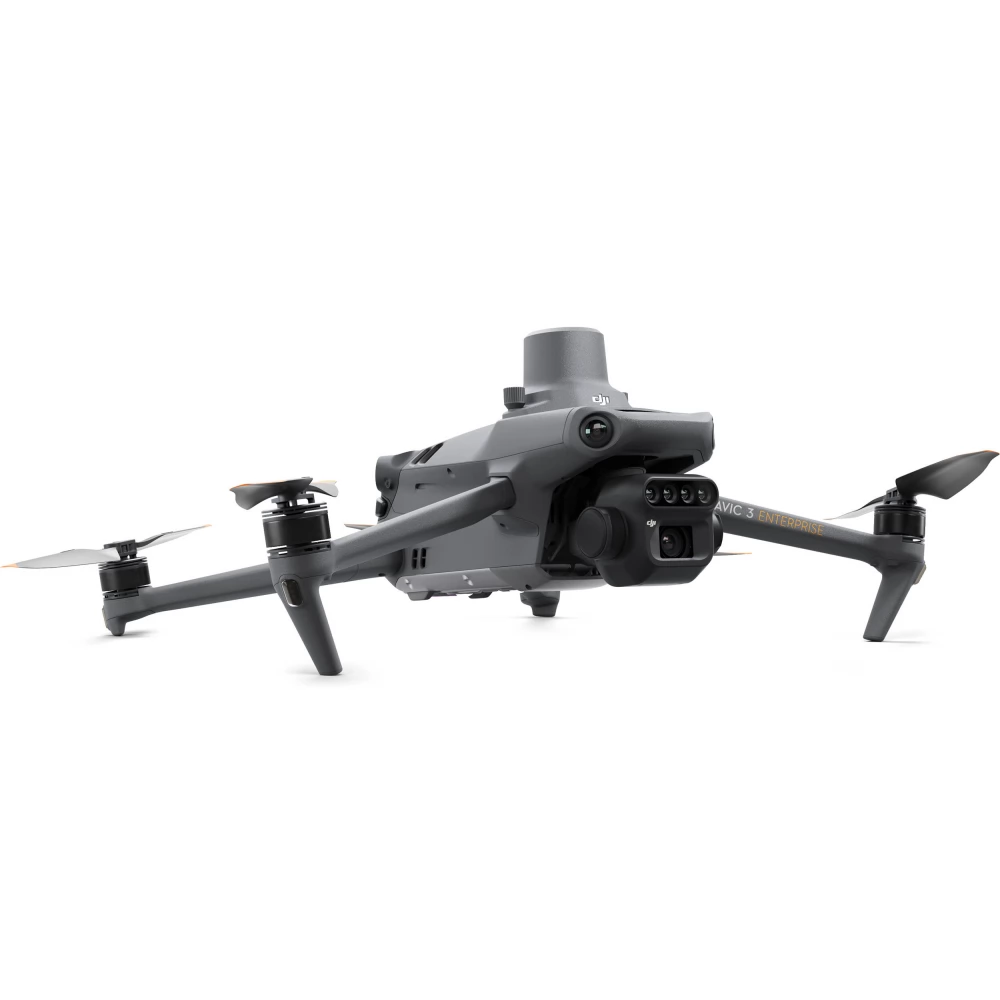
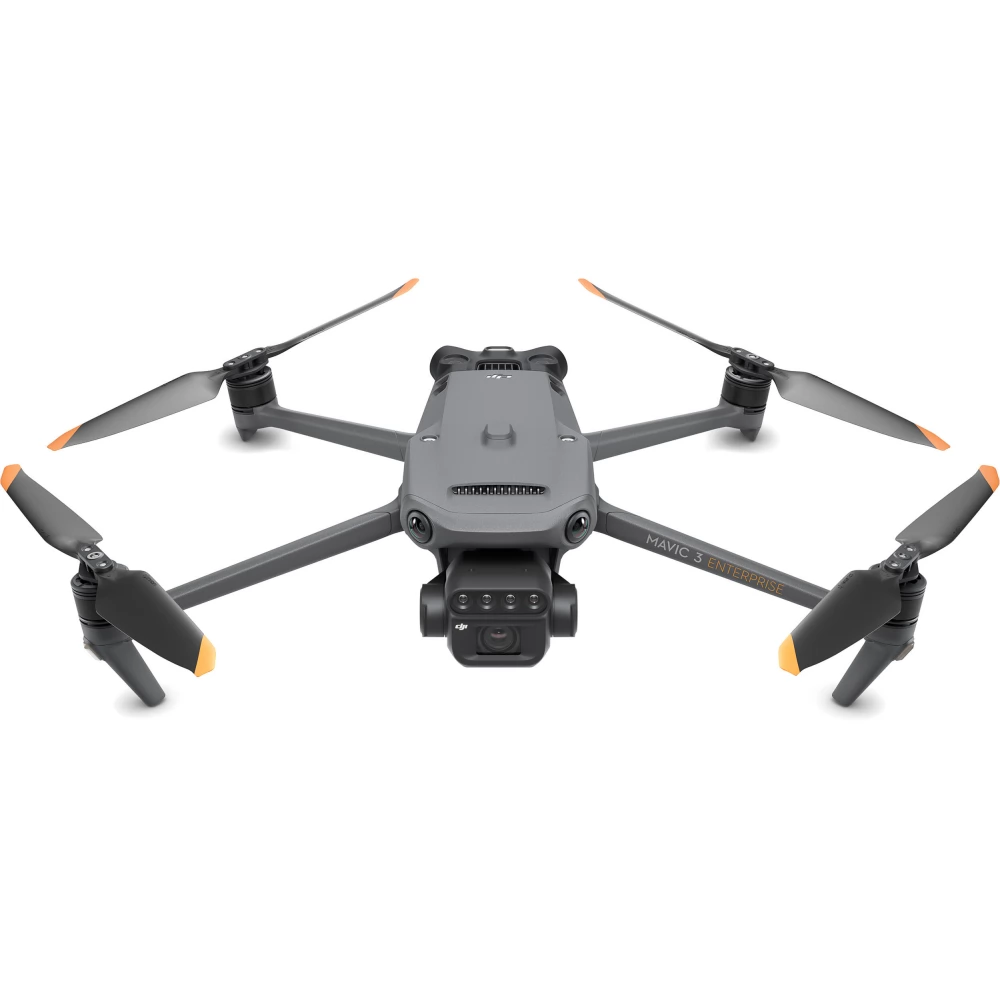
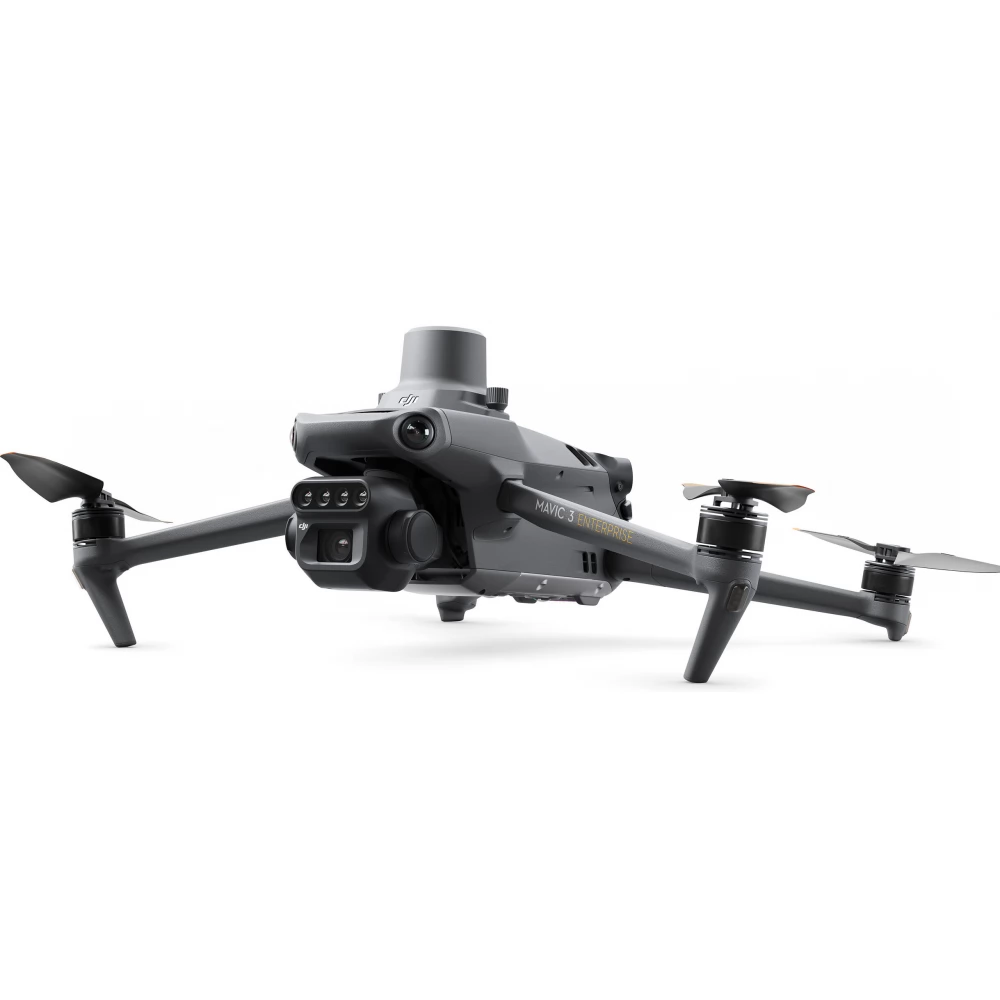
DJI Mavic 3 Enterprise Multispectral (C2) + Enterprise Shield Basic (Auto-Activation)
not available
Product description
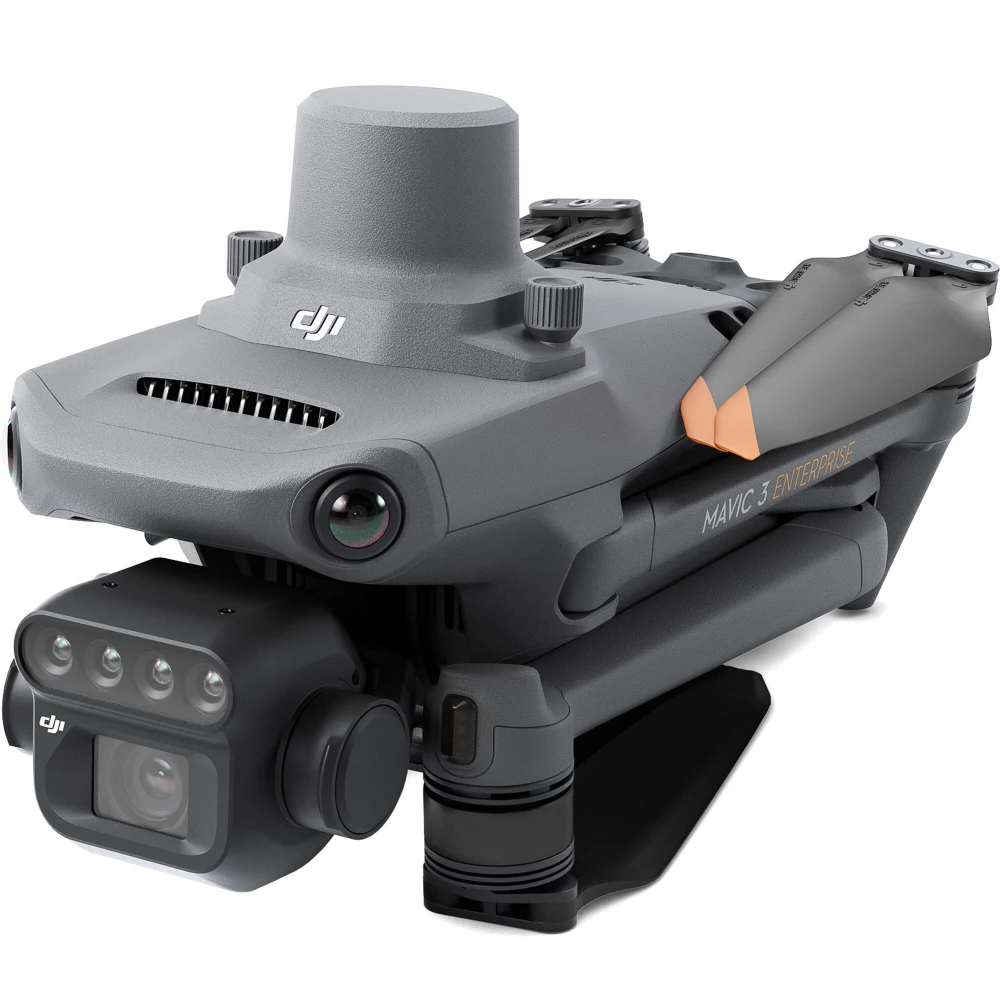
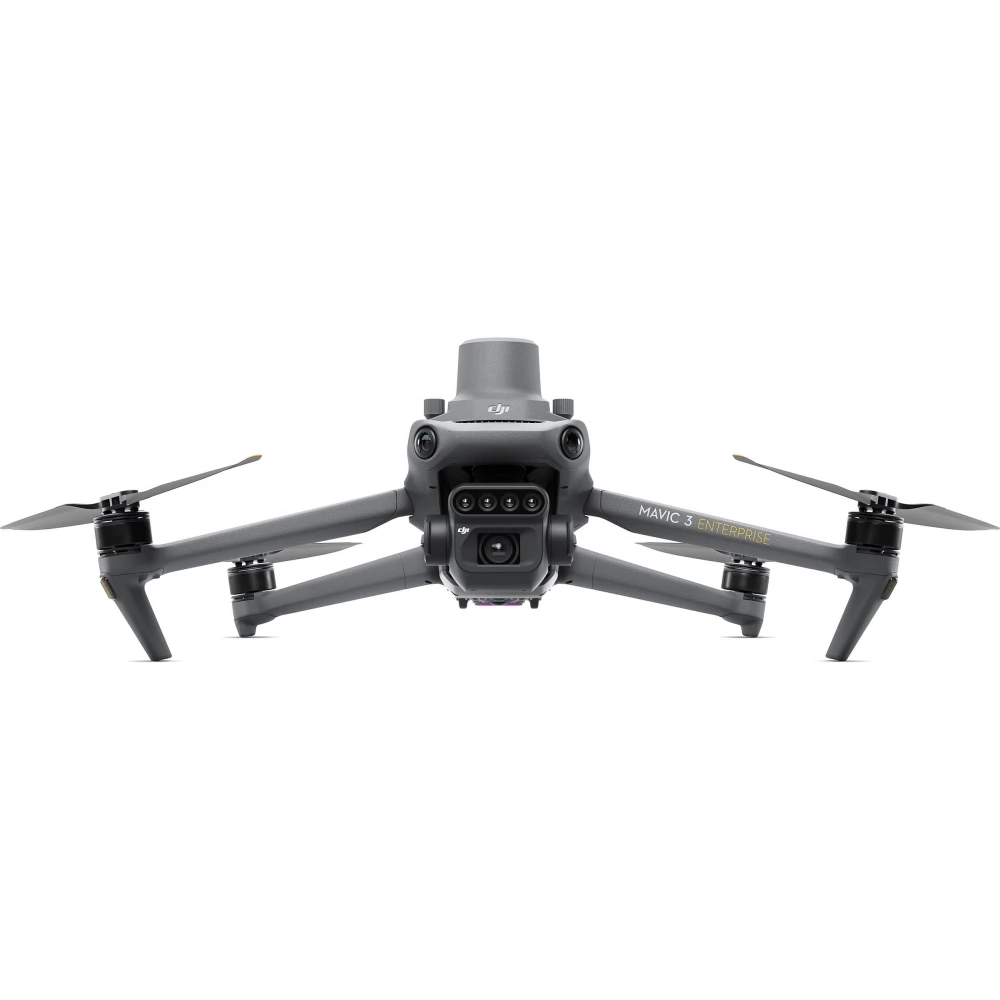
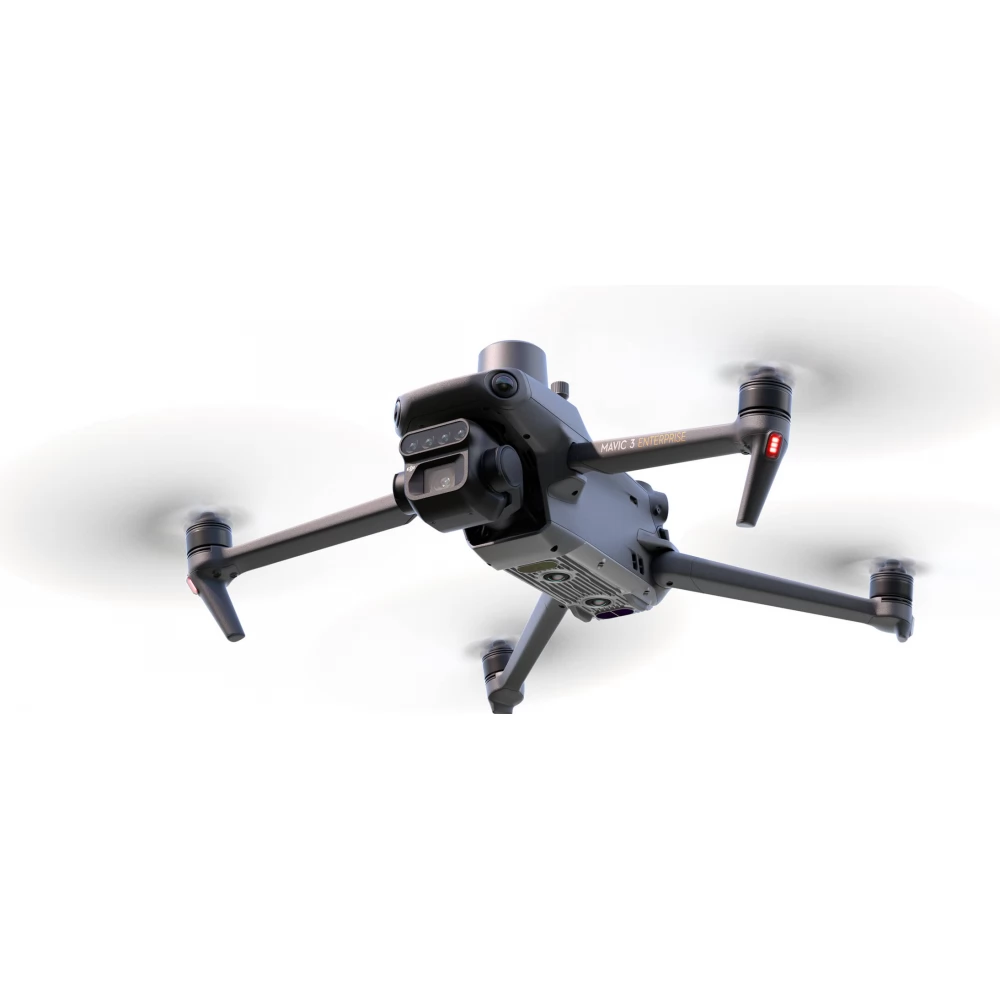
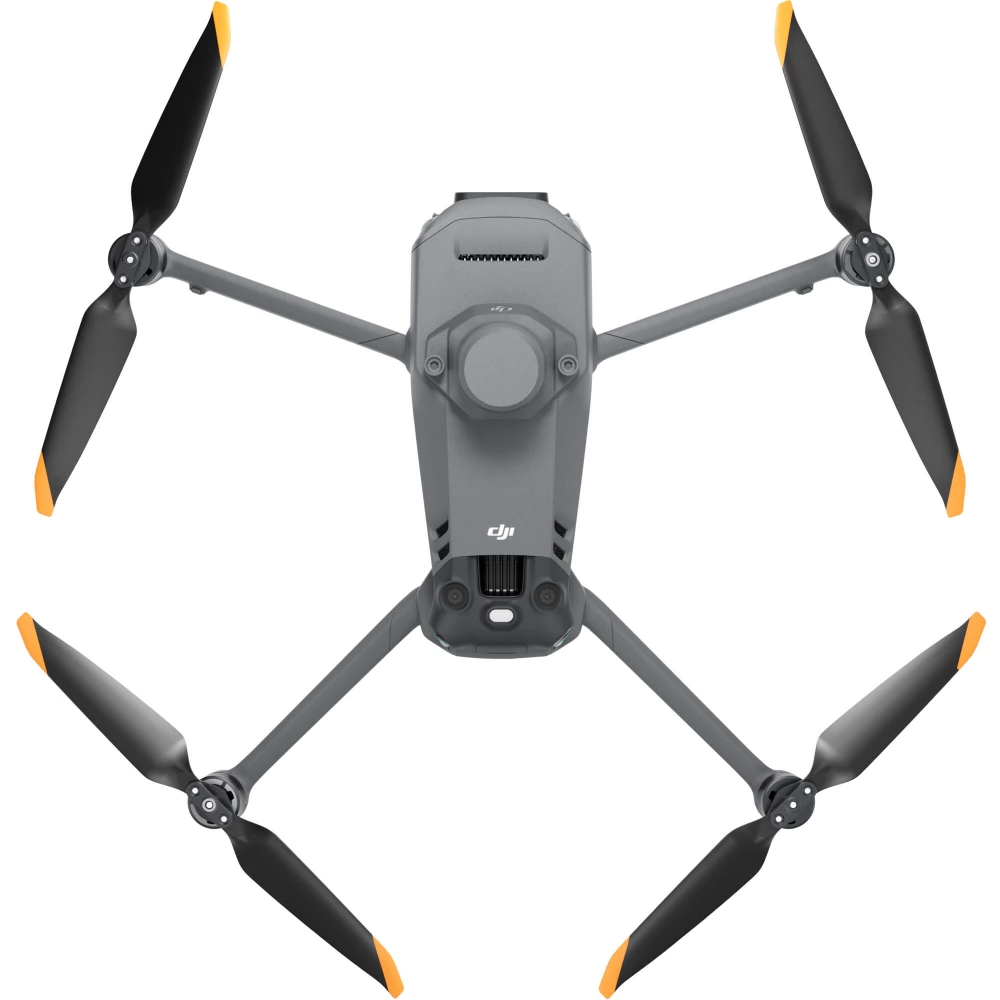
The Mavic 3 Multispectral series offers everything that was previously only possible by using the cameras of several companies together. With an RTK module that provides centimeter accuracy, the Mavic 3M raises the efficiency of mapping and missions to new heights. The Mavic 3 Multispectral has two types of sensor systems, an RGB camera (for normal images) and a multispectral camera (Green, Red, Red-Edge, NIR), so it can see things that we can't see on the vegetation with the naked eye. The DJI Mavic 3M provides valuable data for precision agriculture, while it can also be used for everyday tasks or industrial surveying. Up to 200 Ha can be measured with a single flight, depending on the task.
Every farmer knows that chlorophyll is the substance of green plants that absorbs the visible light range of solar radiation, while it reflects the near infrared (NIR) range and transmits energy to the synthetic processes taking place in the plant cell. A diseased plant absorbs energy in the near-infrared range better, while it reflects somewhat more in the visible range. In the range of light visible to us, the difference between a healthy and a sick plant is minimal, so neither we nor traditional cameras recognize the problem in time. On the other hand, special cameras perform measurements in the green, red, red-border and near-infrared ranges, where the difference is much more significant in the case of sick plants, so plant health problems can be discovered in time. The calculated ratio of these reflected lights is the NDVI value, i.e. the normalized vegetation index. The processing software separates these values with colors so that the area covered with diseased and healthy vegetation in the given area can be better recognized.
What does the NDVI index show?
The normalized vegetation index (NDVI) is a graphic indicator that shows the health status of the vegetation in a given agricultural area during the analysis of completed photos. The chlorophyll found in vegetation slightly reflects the rays of the visible light range, while the reflection in the near-infrared light range is stronger.
Healthy vegetation absorbs most of the rays in the visible light range, while it reflects rays in the near-infrared light range. Vegetation in poor condition, on the other hand, reflects more visible rays and absorbs more infrared. This can be described in the language of mathematics with the following simple formula:
NDVI = (NIR – RED) / (NIR + RED)
The values thus obtained range from -1 to +1, where -1 indicates a lifeless surface, while +1 indicates a high level of vegetation.
The processing software separates these values with colors so that the area covered with diseased and healthy vegetation in the given area can be better recognized.
What does the NDRE index show?
The normalized red border index (NDRE) is a graphic indicator that shows the health status of the vegetation in a given agricultural area during the analysis of the photos taken. The chlorophyll found in vegetation slightly reflects the rays of the visible light range, while the reflection in the near-infrared light range is stronger.
Healthy vegetation absorbs most of the rays in the visible light range, while it reflects rays in the near-infrared light range. Vegetation in poor condition, on the other hand, reflects more visible rays and absorbs more infrared. This can be described in the language of mathematics with the following simple formula:
NDRE = (NIR – RED-EDGE) / (NIR + RED-EDGE)
What is the difference between NDRE and NDVI recording?
In the late phase of the plant life cycle, in the case of certain plants (e.g. corn or fruit tree canopy), the upper leaves absorb a significant part of the red light range, so the lower leaves do not contribute to the NDVI calculation, i.e. a distorted value can be obtained. Furthermore, in the case of cereals, in the late growth stage, the chlorophyll content can reach a point where the NDVI can reach a saturated value of 1.0, so the vegetation variability of the area is not reached (in the image above, it is clear that there are much more areas rated as green in the NDVI image) . Instead of the red color band of NDVI, NDRE cameras detect the upper limit of the red color band (Red-Edge), which is also used by the lower leaves of plants. Thus, the NDRE camera can be used to more comprehensively measure the entire canopy of late-stage plants. In the case of NDRE cereals, it also tends to show less saturation. When measuring the entire plant life cycle, it is therefore justified to use both types of cameras at the appropriate time.
Super fast, quality assessment
The camera unit houses a professional-quality 4/3" CMOS 20 MP sensor in an elegant and compact form. The Multispectral camera, which contains 4 5MP sensors with four different color filters, has been replaced in the same camera housing.
Sunlight sensor
The built-in sunlight sensor records the characteristics of sunlight and
PRICE NOTIFICATION
Recommended for you
Similar products
NOTEBOOK SEARCH
OPINIONS
OPINIONS
