Dear Visitor! We are carrying out maintenance this weekend, so our website may be slow or briefly unavailable at times. Thank you for your patience!
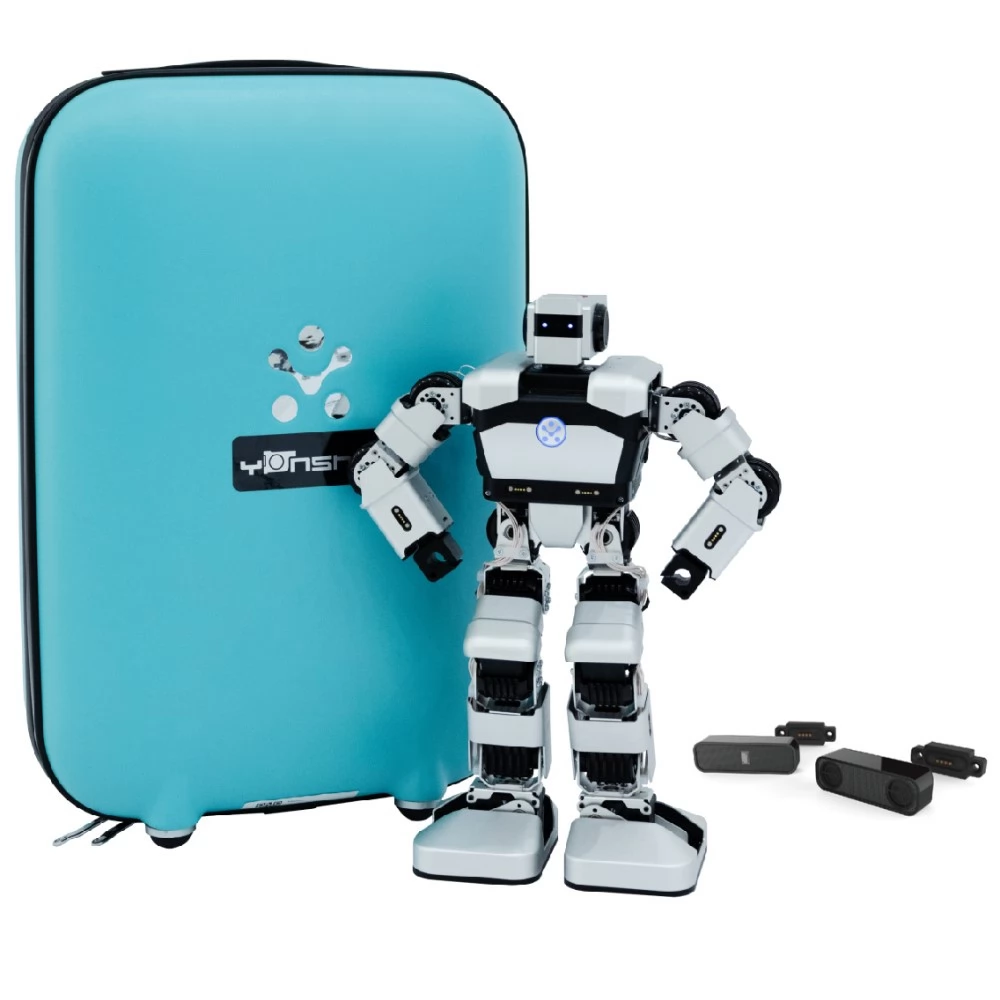
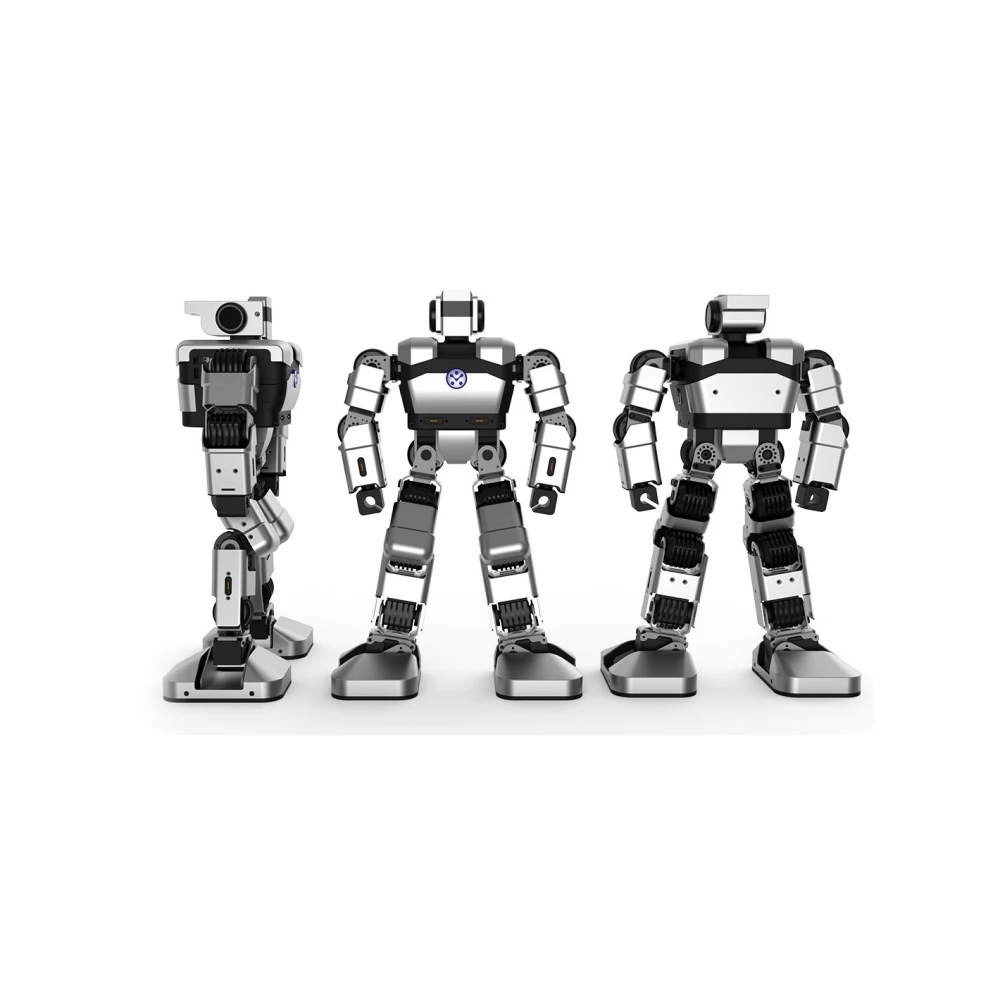
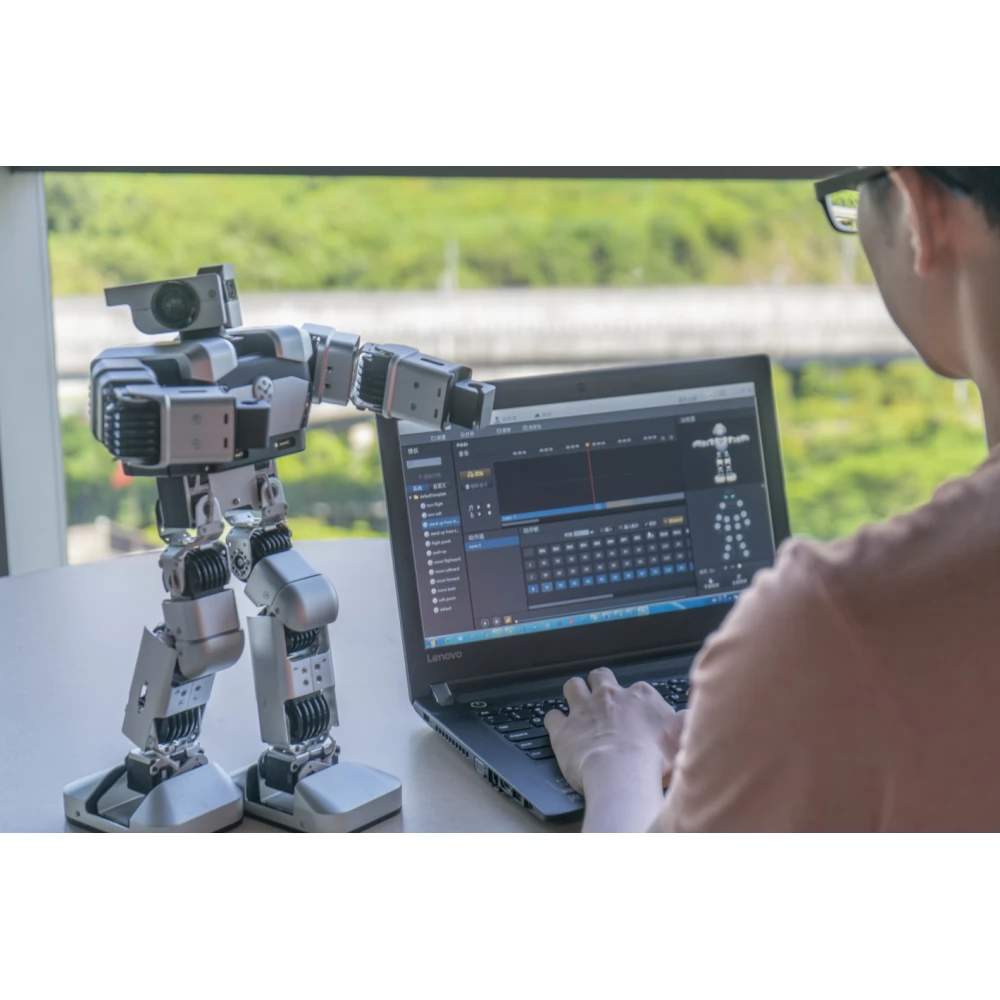
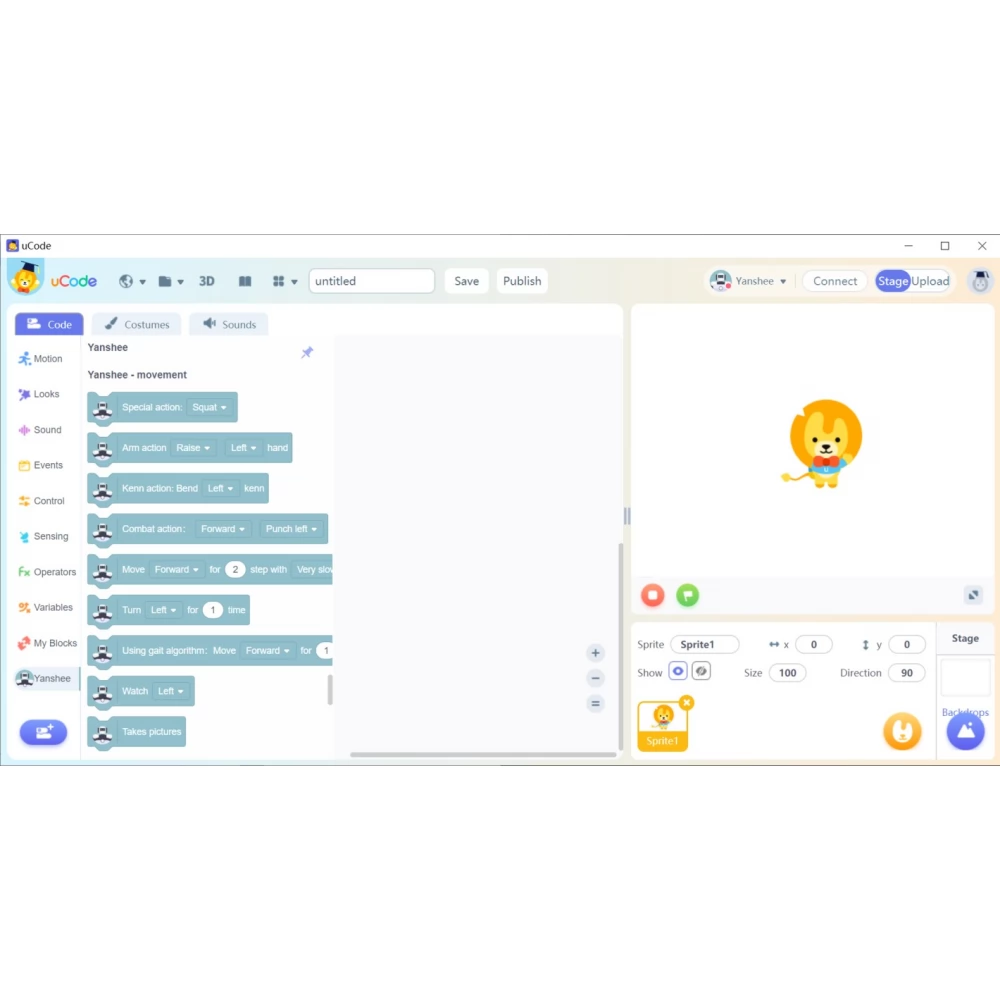
The almost 40cm tall YANSHEE provides all the tools to get the most out of learning about robotics. With the help of its 8 megapixel camera and microphone, it can use artificial intelligence, and with the help of its speakers, it can also make it all fun. Its 17 servo motors can be used in many ways to perform coordination and navigation tasks, thanks to the built-in programs, real-time control and block-based programming of the application used for smart devices. In addition, the robot can be programmed in C/C++, Java, Python and Perl programming languages with the help of its open-source Raspberry-based system! Sensors that can be integrated in a user-friendly way are connected to this system, with the help of which the capabilities of the robot can be known on an even wider scale. Thanks to the pressure, PHT, touch and infrared distance sensors, you can know and create even more sophisticated programs at home or in the classroom!
THE BEST OF ROBOTS IN ONE PACKAGE
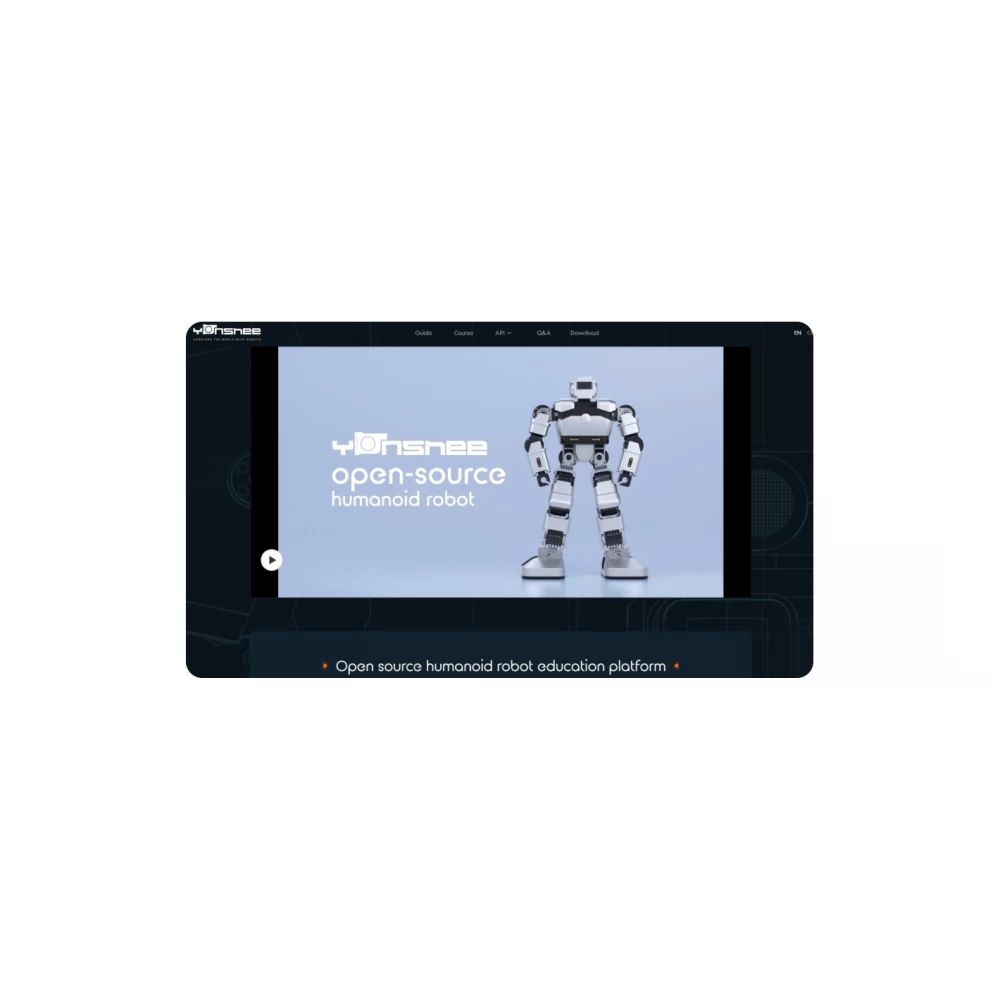
Due to the continuous technological development, the need has never been higher for tools that allow students to experience and understand the most important principles of robotics and programming. YANSHEE, the open-source humanoid robot that primarily serves educational and presentation purposes, was born to meet this need.

17 DEGREES OF FREEDOM, PLENTY OF MOVEMENT POSSIBILITIES
Thanks to its 17 servo motors, it has 17 degrees of freedom, each of which can be programmed separately or even simultaneously to perform simple and complex movement tasks. Whether it's push-ups, sparring, dancing or running, YANSHEE can do it!
AN INTERACTIVE COMPANION FOR PROGRAMMING

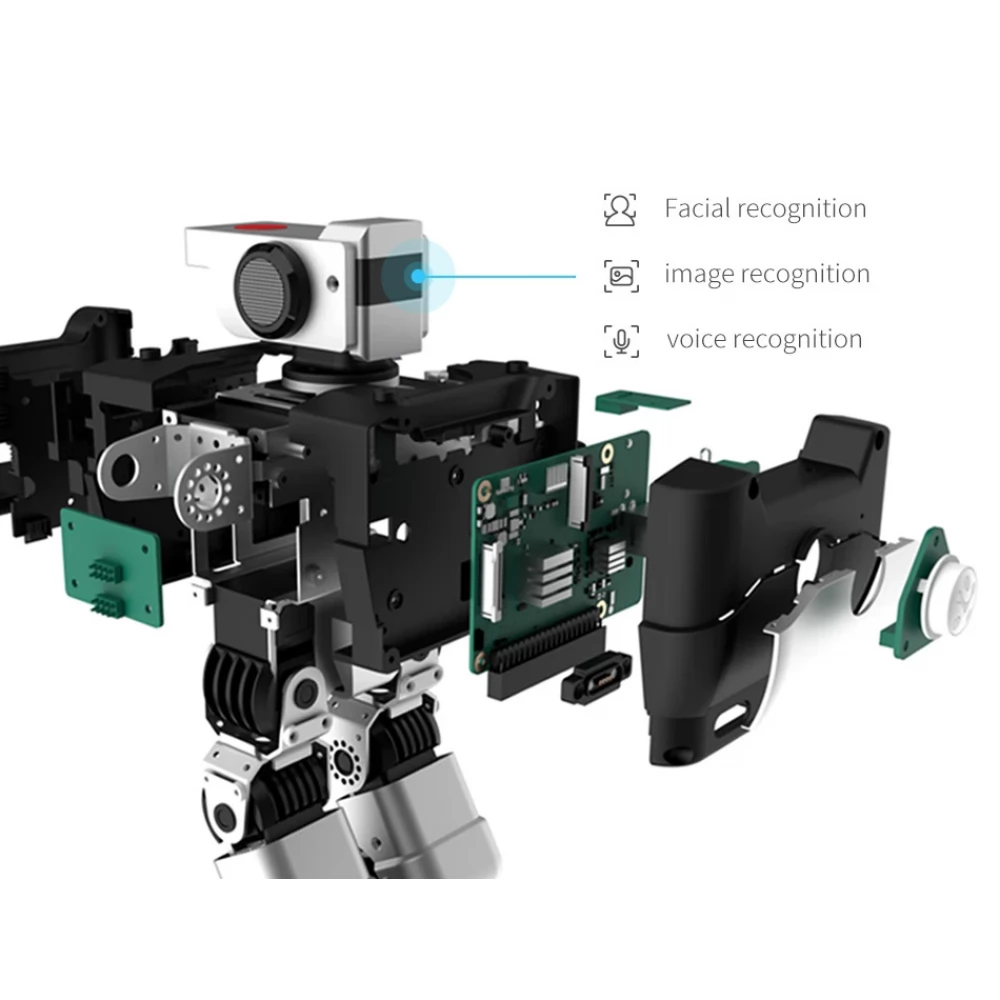
With the help of its 8-megapixel camera, high-sensitivity microphone, and two-channel stereo speaker, it provides students and teachers with all the tools to create artificial intelligence and interactive programs, so that they can see the robots in action in a more entertaining way.
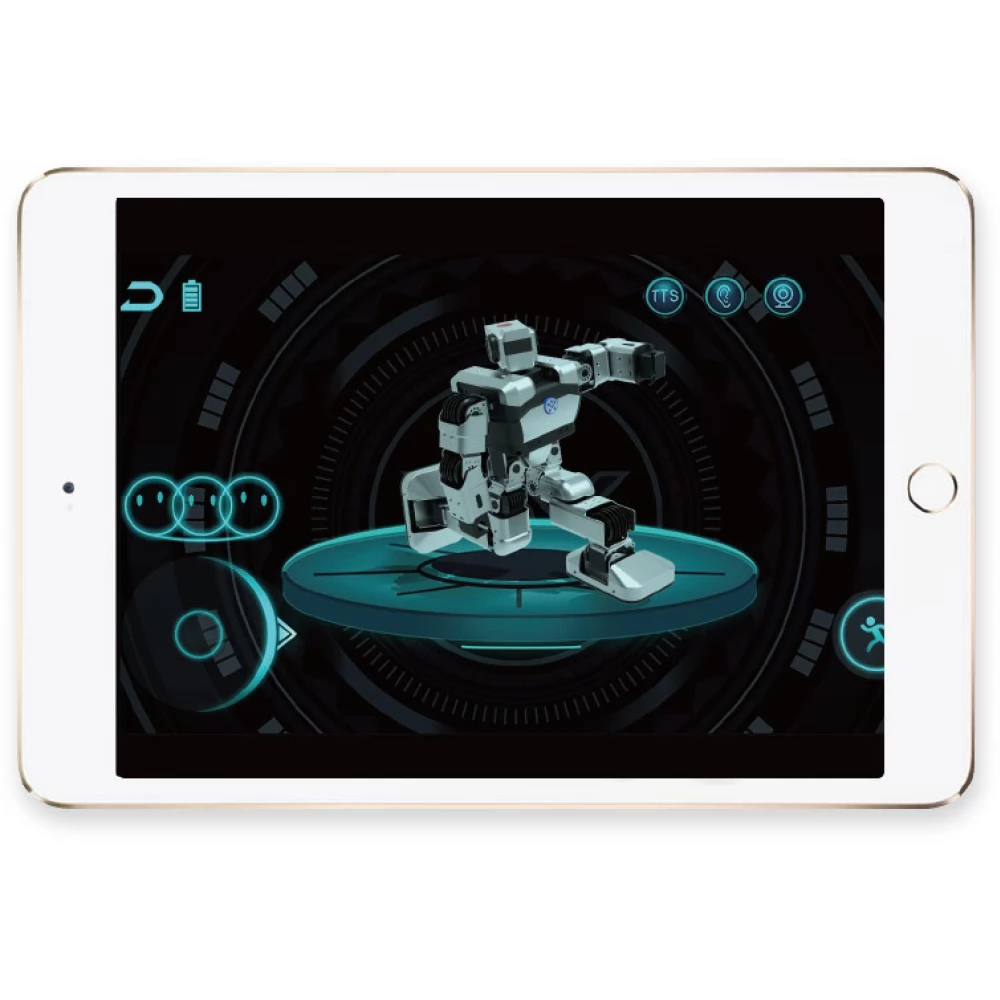
Its system supports group control, which allows you to control several YANSHEE robots at the same time using a single tablet or smartphone!
PERCEIVED DEVELOPMENT

With the help of the sensor package, you have 4 sensors at your disposal so that you can experience YANSHEE's capabilities in the most diverse way.
Infrared distance sensor: You can use it to navigate the robot precisely and even program the robot to be autonomous.
PHT sensor: Which is responsible for measuring the temperature and humidity, so depending on the current weather, YANSEE can implement many programs.
Touch sensor: Through it, certain points of the robot can be made to work collaboratively, i.e. the robot stops working as soon as the sensor indicates.
Pressure Sensor: By applying pressure to the sensor, Yanshee can perform various commands.
Thanks to the magnetic Pogo 4Pin system, all you have to do is attach the sensor to the robot's connector without any tools and open the application, through which the robot will automatically recognize the device.

OPEN SOURCE, COUNTLESS MODIFICATION OPTIONS
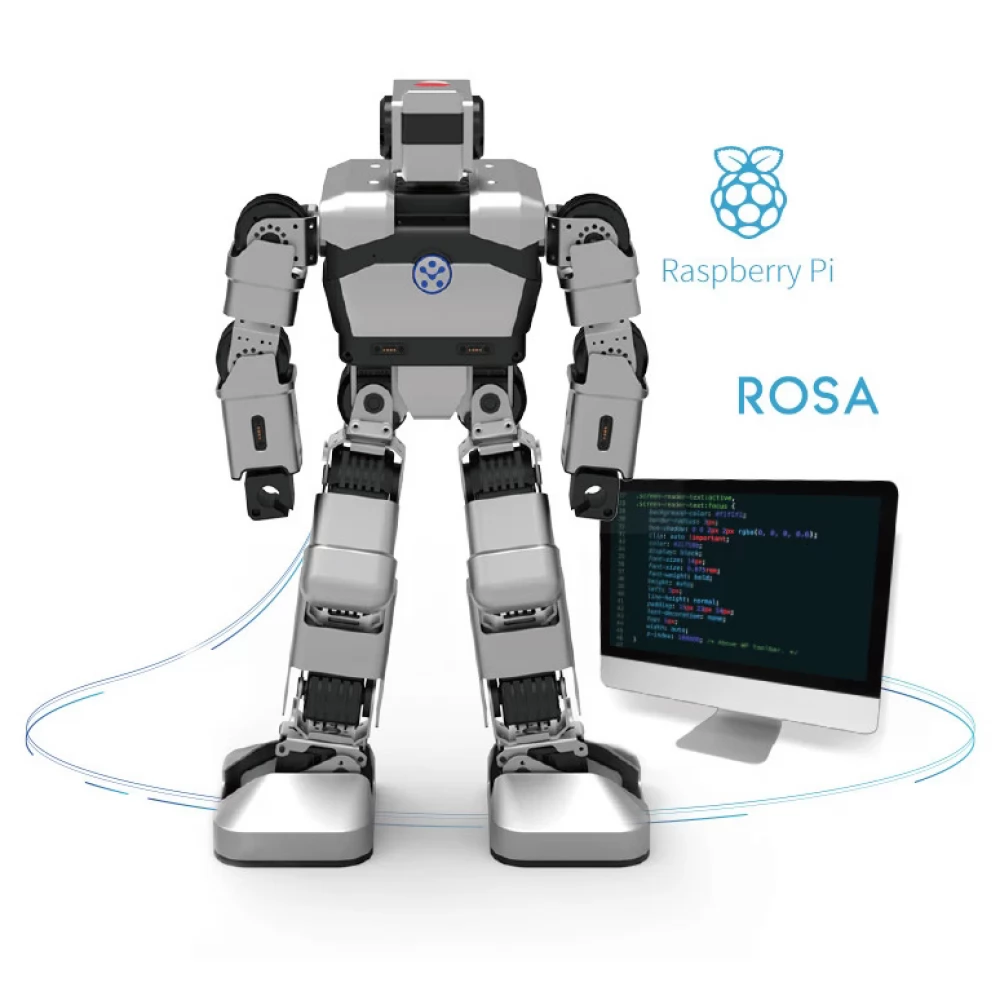
With the help of the Raspberry Pi microcontroller, the robot's source code is open, which means that it has many programming options in addition to the mentioned examples, which help all members of different age groups and educational levels to learn the applications of robotics and programming. The system supports block-based programming, which is a perfect introduction for beginners. Advanced programmers can use the YanAPI to program Yansheet in Python and modify the source code.
In addition to these, the system also supports C/C++, Java and Perl programming languages. The product can be connected to the UBTECH AI BOX artificial intelligence-based computer, with which you can not only visualize the combinations of artificial intelligence and robotics, but you can also observe them on the robot itself. Thanks to the open source code, UbTech continuously supports its audience and interested parties, thus creating the website yandev.ubtrobot.com, where we can ask our questions and find detailed documentation about all the robot's capabilities in English.