
Dear Visitor! We are carrying out maintenance this weekend, so our website may be slow or briefly unavailable at times. Thank you for your patience!
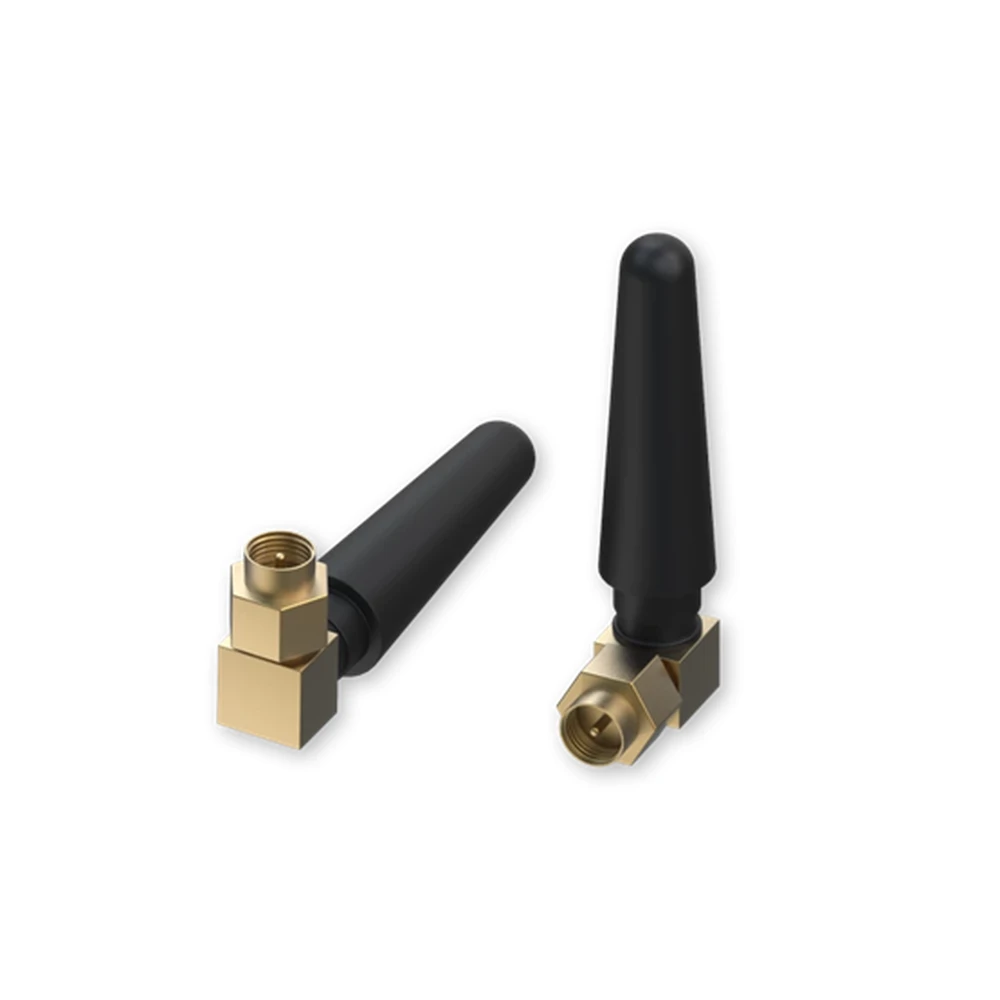
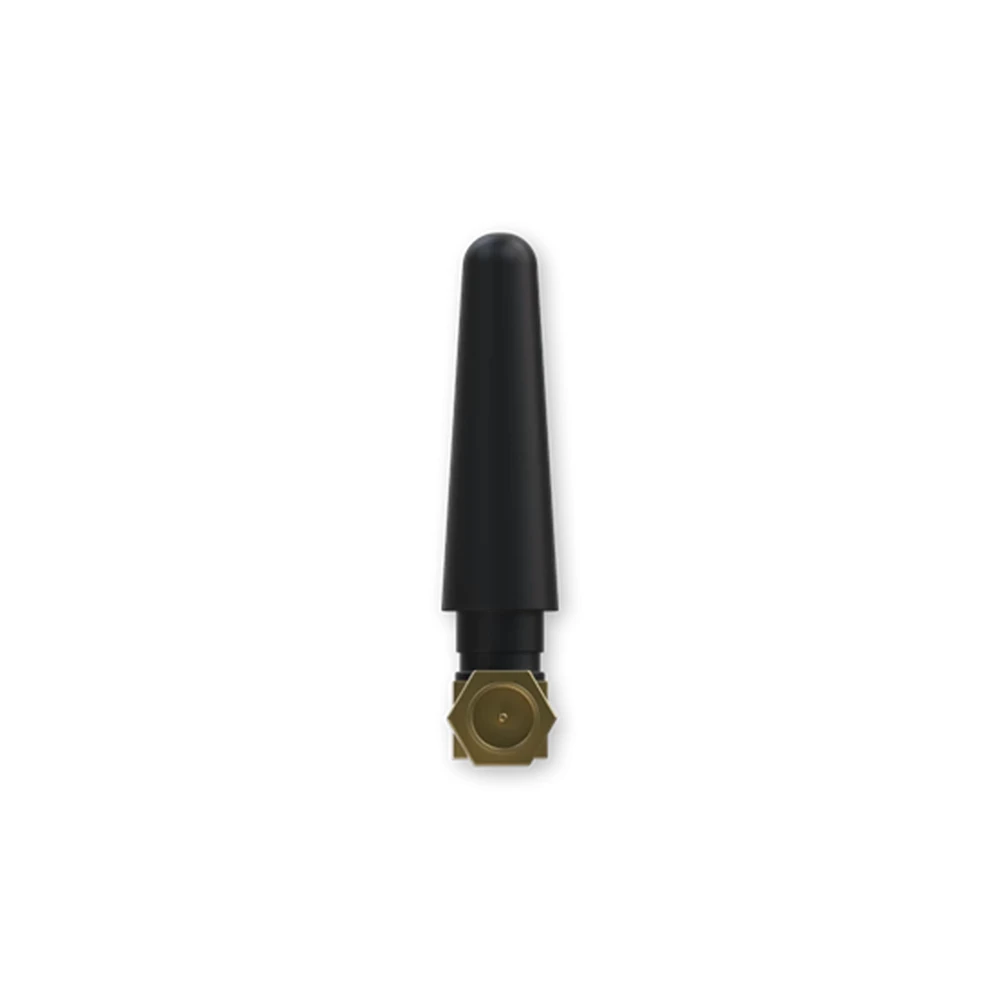
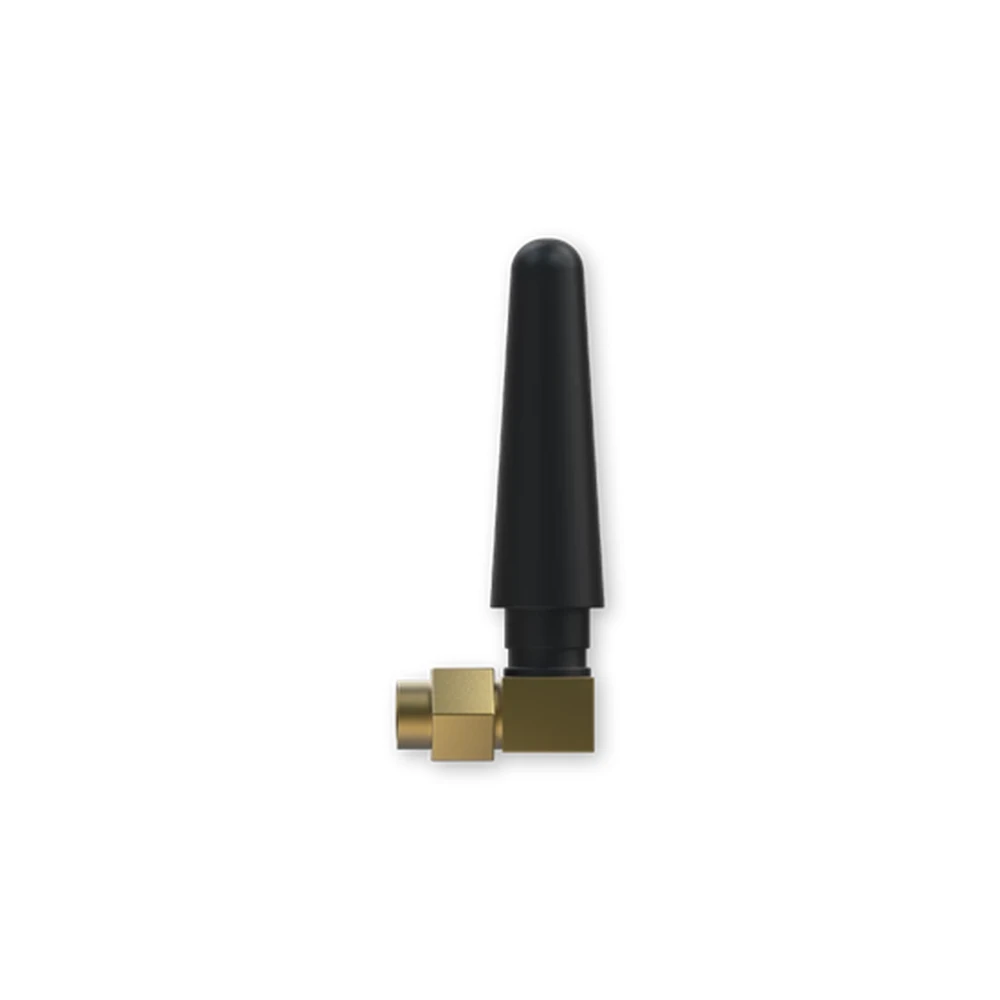
TELTONIKA PR1US450 Rectangular compact mobil SMA antenna
2 891 Ft
Product description
The frequency range of the device is between 700 and 2700 MHz, which provides a wide spectrum for data transmission. This includes all the usual mobile network frequencies, making it ideal for LTE networks, but also includes Wi-Fi frequencies. This frequency range is suitable not only for long-term but also for short-term data transmission, so the device can be used in many ways.
The polarization of the output signal is linear, i.e. vertical. This type of polarization is often used in communications systems, as vertical polarization reduces the sensitivity of antennas to multiple reflections caused by objects on the ground surface.
The gain of the device is 5.0 dBi. This means that the gain of the antenna can be measured in 5 decibels compared to non-directional isotropic radiation. 5 dBi gain is quite good for portable devices.
VSWR (relative standing wave power) of the device 1.8. VSWR is a measurement that indicates how effective the antenna is at radiating, and how much energy it reflects back through the cables and into the radio transmitter. In an ideal case, the value of VSWR is 1, but this is rarely achieved in practice, while 1.8 is an acceptable value.
The impedance of the antenna is 50 Ω, which is considered standard in radio frequency communication. Impedance shows the extent to which a given device impedes the flow of electric current, in other words, it determines how well the given device conducts current. Since the flow conditions must match each other for efficient energy transfer, it is very important to choose an antenna with the right impedance.
The connector type is SMA Male (straight). SMA (SubMiniature version A) is the most common coaxial connector in RF and microwave applications. The SMA male connector has a straight design, which can be beneficial, for example, in case of easier installation and replacement of antennas.
PRICE NOTIFICATION
NOTEBOOK SEARCH

OPINIONS
0.0
