
Dear Visitor! We are carrying out maintenance this weekend, so our website may be slow or briefly unavailable at times. Thank you for your patience!
TELTONIKA PR1KSG30 GNSS self adhesive SMA antenna
3 790 Ft
Product description
The frequency range indicates the antenna's ability to receive and transmit radio waves. The value of the frequency range between 1575 and 1602 MHz indicates that this antenna can operate at the frequency used by GPS satellites. Polarization refers to the direction of propagation of radio waves. Right-hand circular polarization (RHCP) shows that this model propagates radio waves in a circular spiral, thereby increasing reception quality.
The gain of the antenna, which in this case is 2.0 dBi, indicates the strength of the signal reception. The VSWR is used to measure the ratio of standing waves, in this case it is 2.0, which shows how efficiently the antenna can transmit the signal and reflect the unnecessary energy. Impedance, which here is 50 Ω, represents the antenna's resistance to electric current.
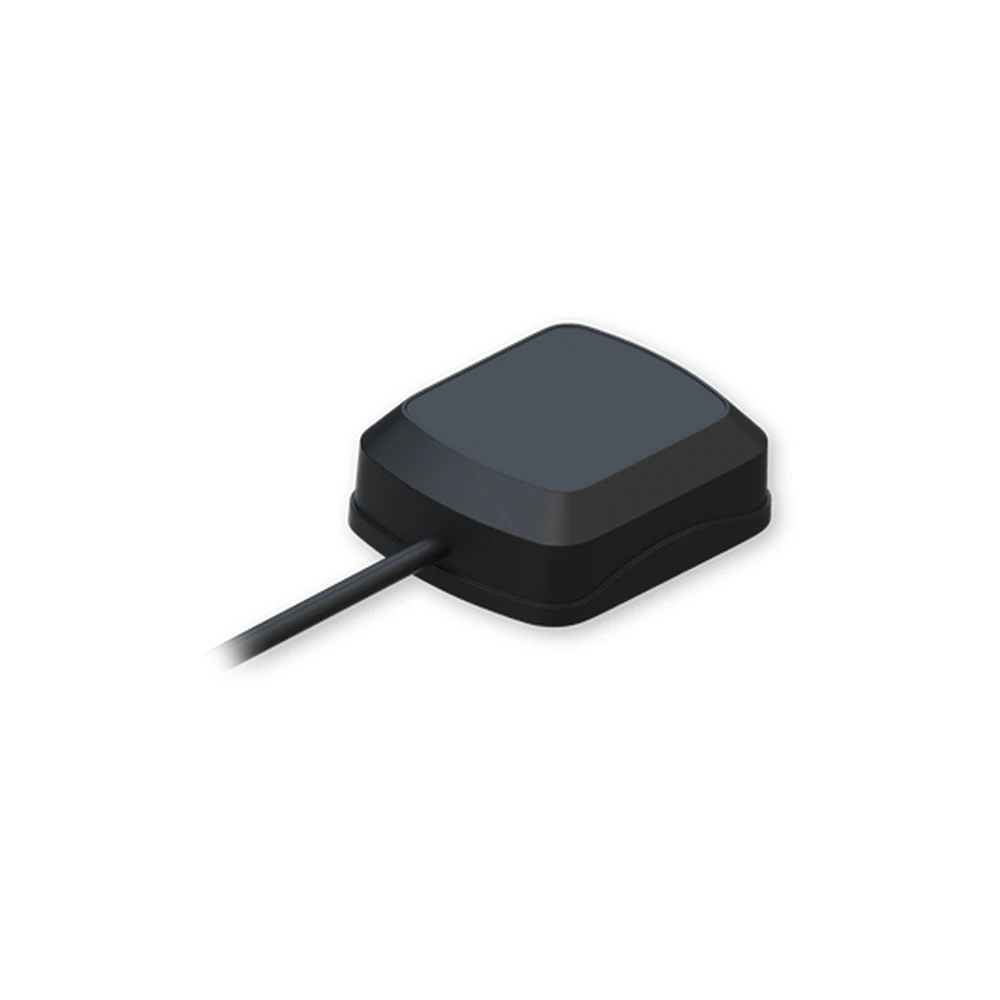
The axial ratio gives a 3 dB level view of the radiation intensity along the two axes. The gain of the LNA (Low Noise Amplifier) is 26 ± 2 dB, which shows the gain factor of the low noise amplifier. The noise level of the LNA is optimally 1.5 dB.
The antenna supply voltage was specified as 2.2 – 5.0 VDC. The antenna can absorb current in the range of 5 - 15 mA. The VSWR of the LNA is 2.0.
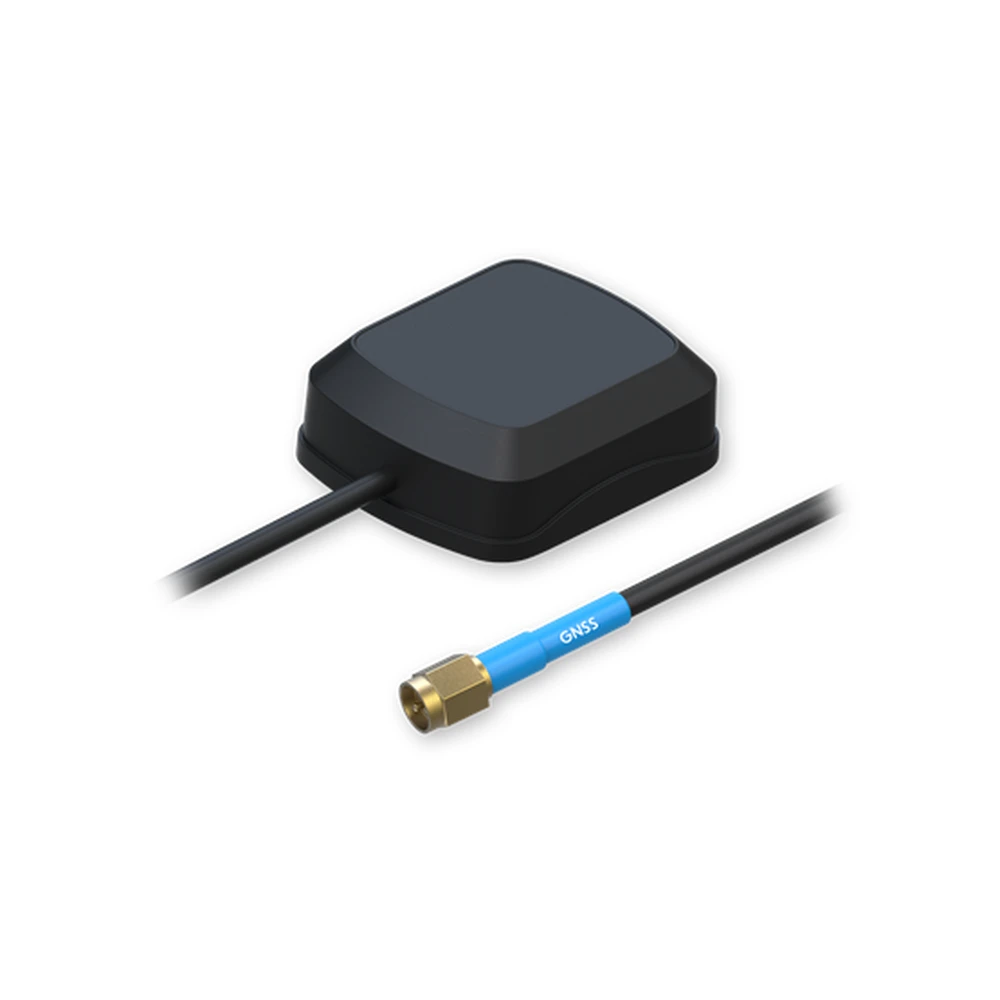
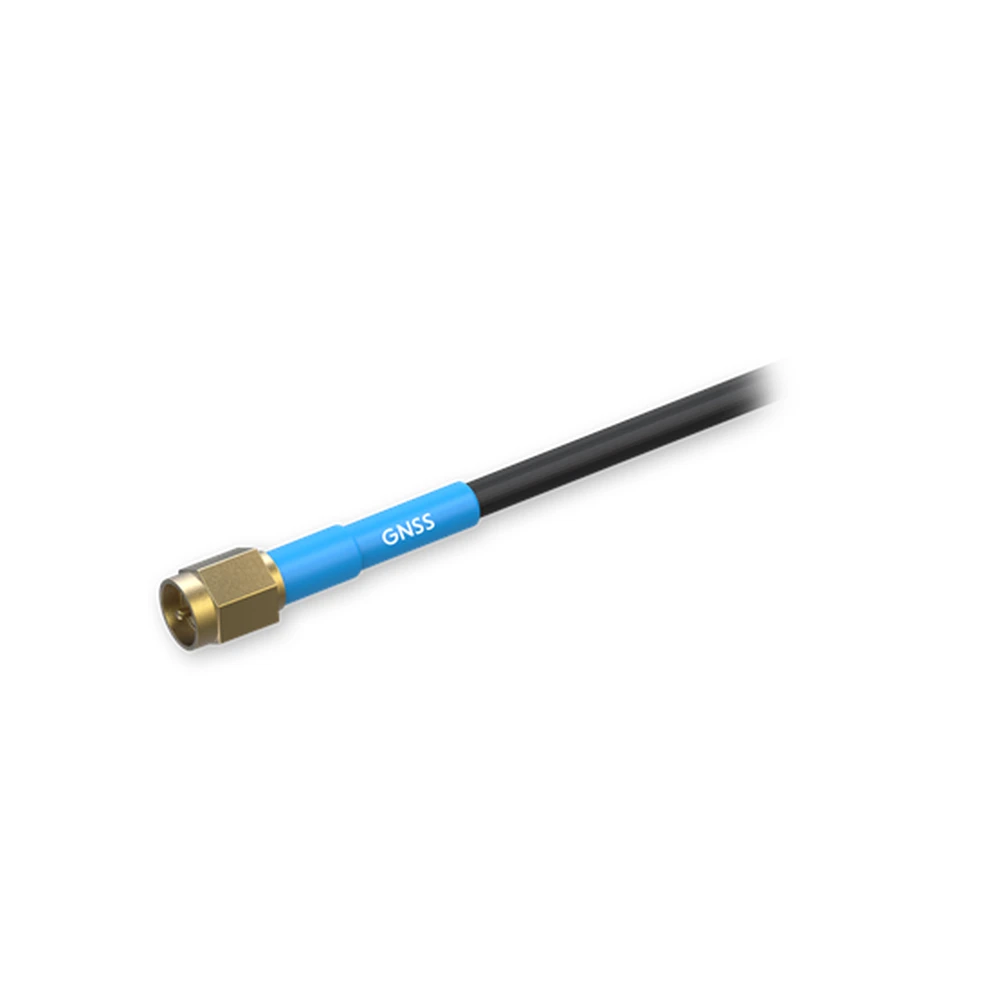
The type and length of the cable are also important characteristics of the antenna, which is responsible for transmitting the signal. The RG174 cable is supplied in a length of 3000 mm. The antenna connector is SMA male type.
The attachment method is adhesive, so it can be attached easily and quickly to any surface. The product is also resistant to extreme weather conditions, as its operating temperature is between -40 and +85 degrees Celsius. Its relative operating humidity is 95%.
The antenna complies with RoHS regulations, which means that it does not contain certain hazardous substances or only contains them in quantities permitted by RoHS.
PRICE NOTIFICATION
NOTEBOOK SEARCH

OPINIONS
0.0
