
Dear Visitor! We are carrying out maintenance this weekend, so our website may be slow or briefly unavailable at times. Thank you for your patience!
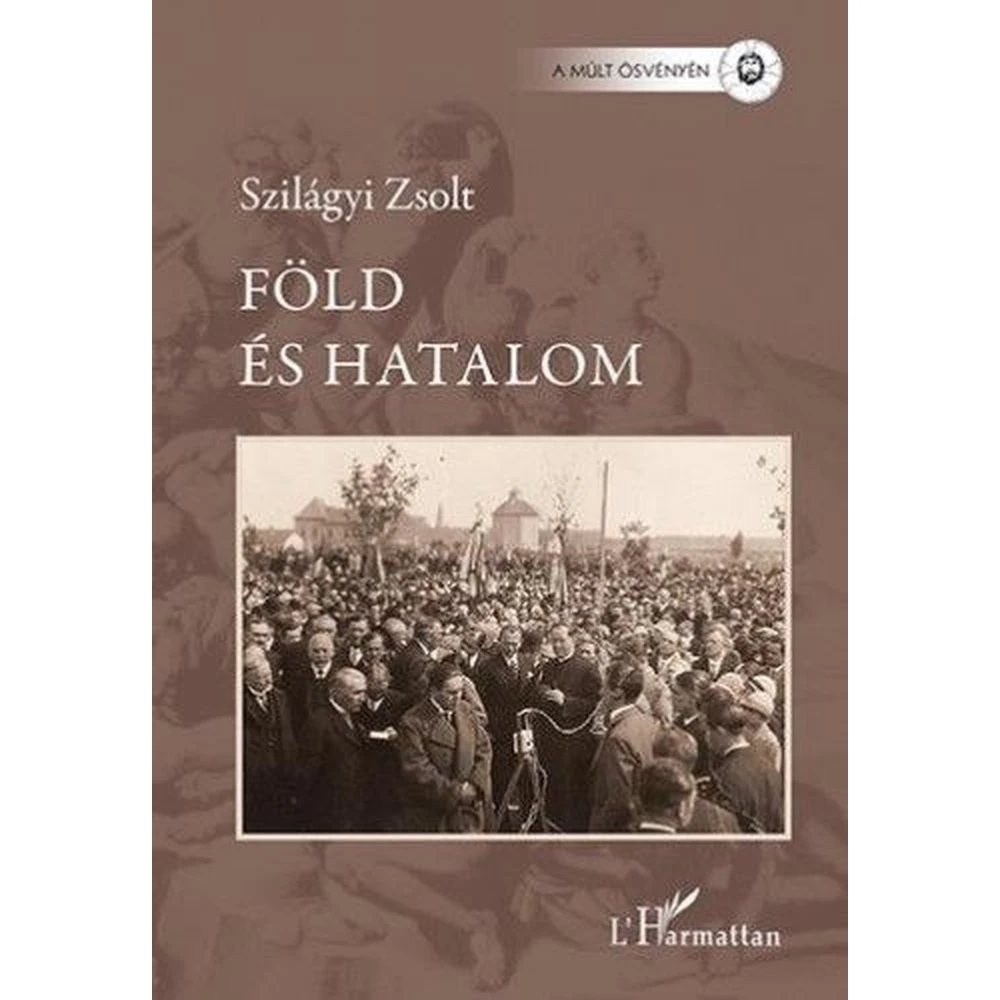
Szilágyi Zsolt - Earth and hatalom - Mezővárosi elit Kecskeméten 1920-1939
3 914 Ft
Product description
By the beginning of the 20th century, a favorable property structure had developed in Kecskemét, which formed the basis of the developing export market. This and the settlement's Turkish-era past gave contemporaries the impression that the city was rich, which was accompanied by a whole series of heightened expectations. Zsigmond Móricz, László Németh or Ferenc Erdei presented the idealized image of Kecskemét to their readers as an example. Without saying that, behind the relative prosperity, the indebtedness of the farmers was unprecedented. After all, land was the main guarantee of mobility in local society. With the land, there was a chance not only to create better financial conditions, but also to rise in the "Kecskemét society". The booming economy of Kecskemét from the second half of the 1920s, the increasing accumulation of capital opened the way for many to the elite. The spectacular increase in wealth became almost palpable by the 1930s, causing quite a bit of tension in local society. During the years of the world economic crisis, the fortunes of the richest strata continued to increase through land speculation, while the merchant class, living in its heyday, benefited enormously from the prosperous fruit export.
The idealized elite of Kecskemét was characterized by family-oriented behavior, popularity, endless work, diligence, altruism and charity - at least according to the expectations of contemporaries. In the 1930s, this image became common, but the depiction also showed refined manners and a conflict-avoidance character as expected qualities, which proved to be indispensable in order to be at the center of social life. Also, being a scion of an old, respected local family mattered a lot. Which, of course, did not mean that non-locally born people could not get into the elite. After all, there were people who came from other places and ran a spectacular course. Most of the time, their journey was accompanied by the process of acceptance, of "becoming a goat", the central element of which was the acquisition and preservation of "farmer status".
PRICE NOTIFICATION
NOTEBOOK SEARCH

OPINIONS
0.0
