
Dear Visitor! We are carrying out maintenance this weekend, so our website may be slow or briefly unavailable at times. Thank you for your patience!
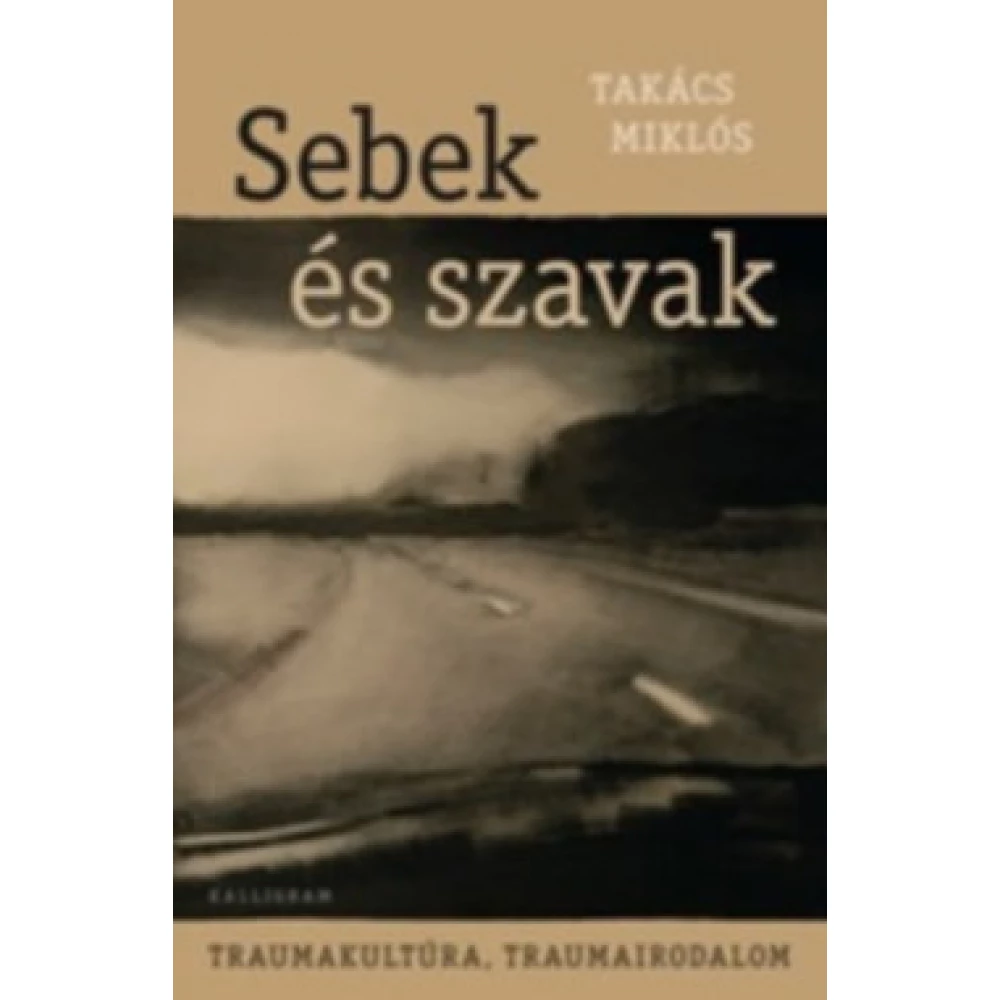
Sebek and words
2 827 Ft
Product description
The word trauma is often used in everyday life, but almost never in its original, psychopathological sense. This concept has come a long way from surgery through psychiatry to trauma studies becoming a separate trend within the cultural sciences from the mid-nineties. His most important realization is that there is also collective trauma, which is fueled by individual experiences of pain and suffering. However, it does not matter whether we understand trauma as an individual psychological injury or as a cultural process that pervades the entire society: the latter is mainly conveyed to us by mediums independent of specific individuals, and as a result of their work, the collective identity can be reshaped, the collective memory can be transformed. This book tries to prove that there is another link between individual trauma and collective/cultural trauma: fiction. He is particularly suitable for this role because he reckons with the "impossibility" of representation and can bring this dilemma to the stage. Geoffrey Hartman illuminates this with the ancient myth, the story of Philomela. The girl who was raped and had her tongue torn out can tell what happened to her by weaving it into a robe - so it can be considered an allegory of "trauma literature", which also stands in for the kidnapped voice when a "language without language" has to be found for trauma.
Miklós Takács was born in Hajdúnánás in 1976. He is an assistant professor at the Institute of Hungarian Literature and Cultural Studies of the University of Debrecen.
His published volumes: Ady, the early Rilke and the "divine verse" (University of Debrecen, 2011); Strange contexts - Studies from 20th century Hungarian literature (Savaria University Press, 2018).
PRICE NOTIFICATION
NOTEBOOK SEARCH

OPINIONS
0.0
