
Dear Visitor! We are carrying out maintenance this weekend, so our website may be slow or briefly unavailable at times. Thank you for your patience!
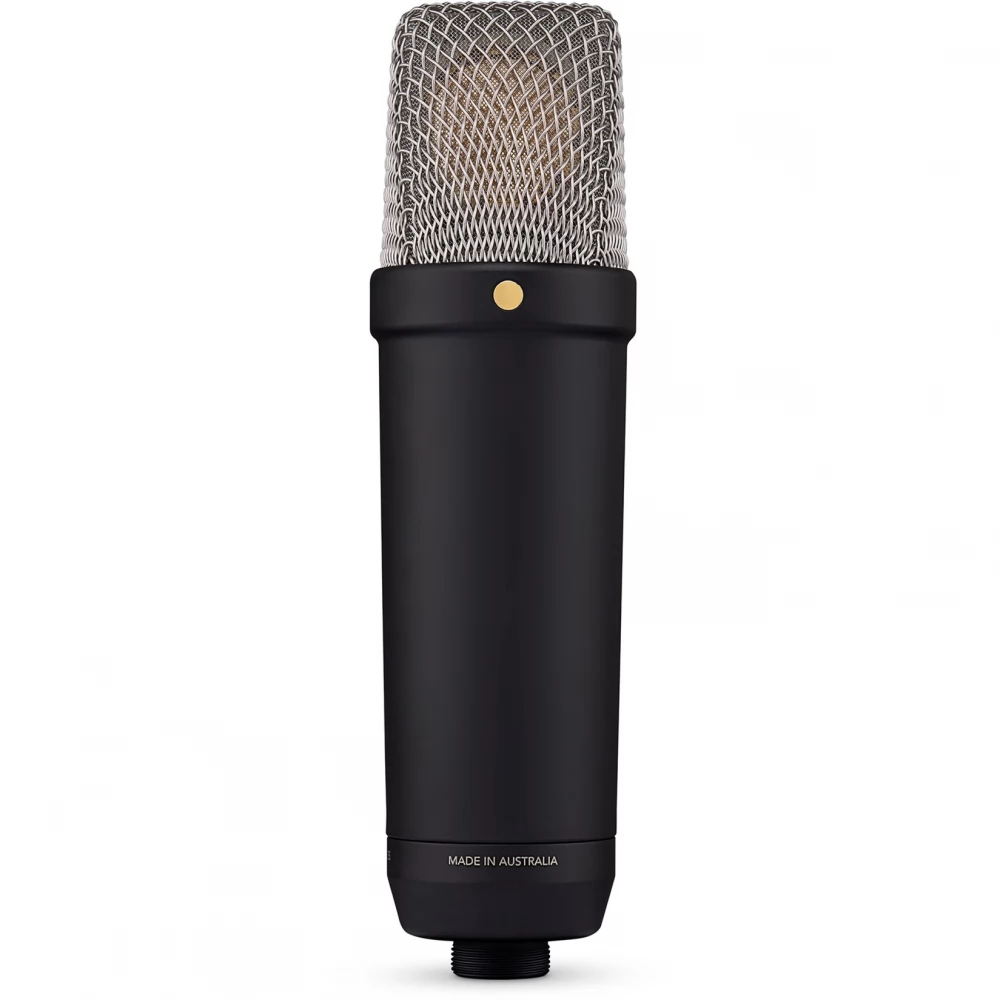
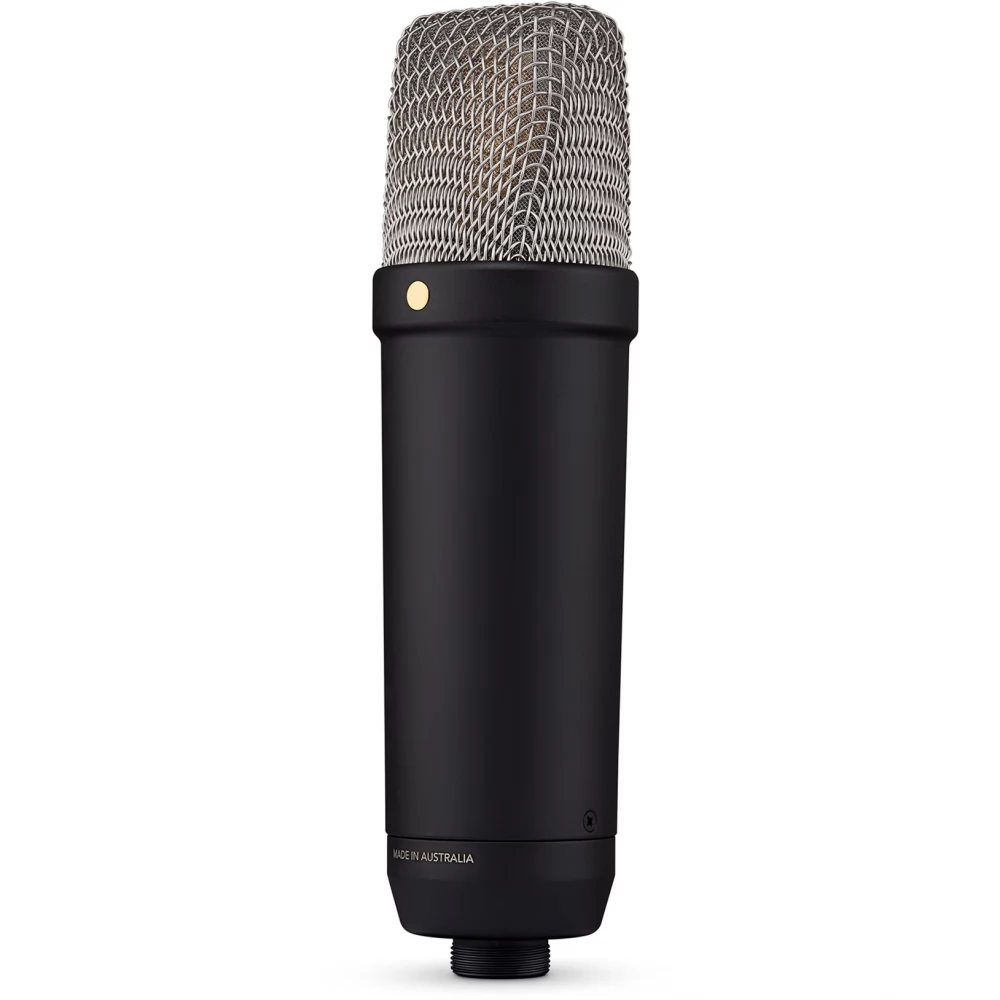
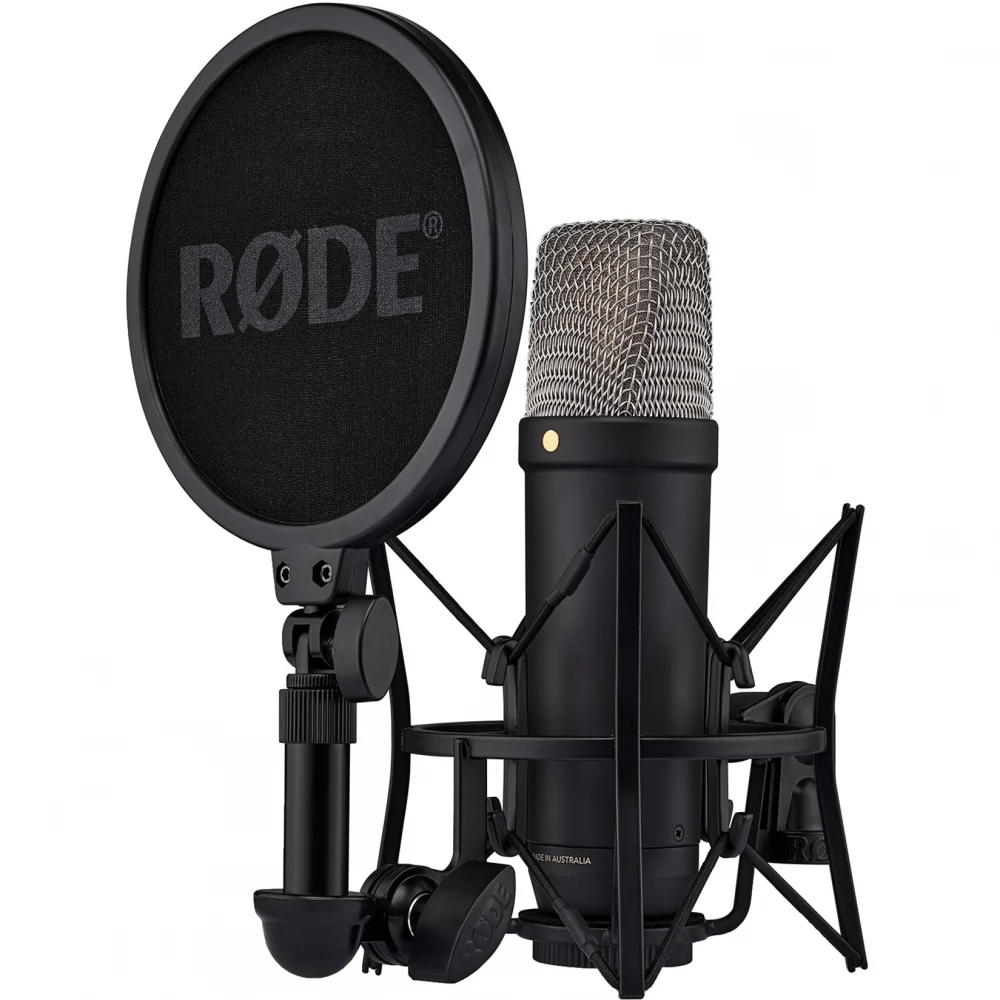
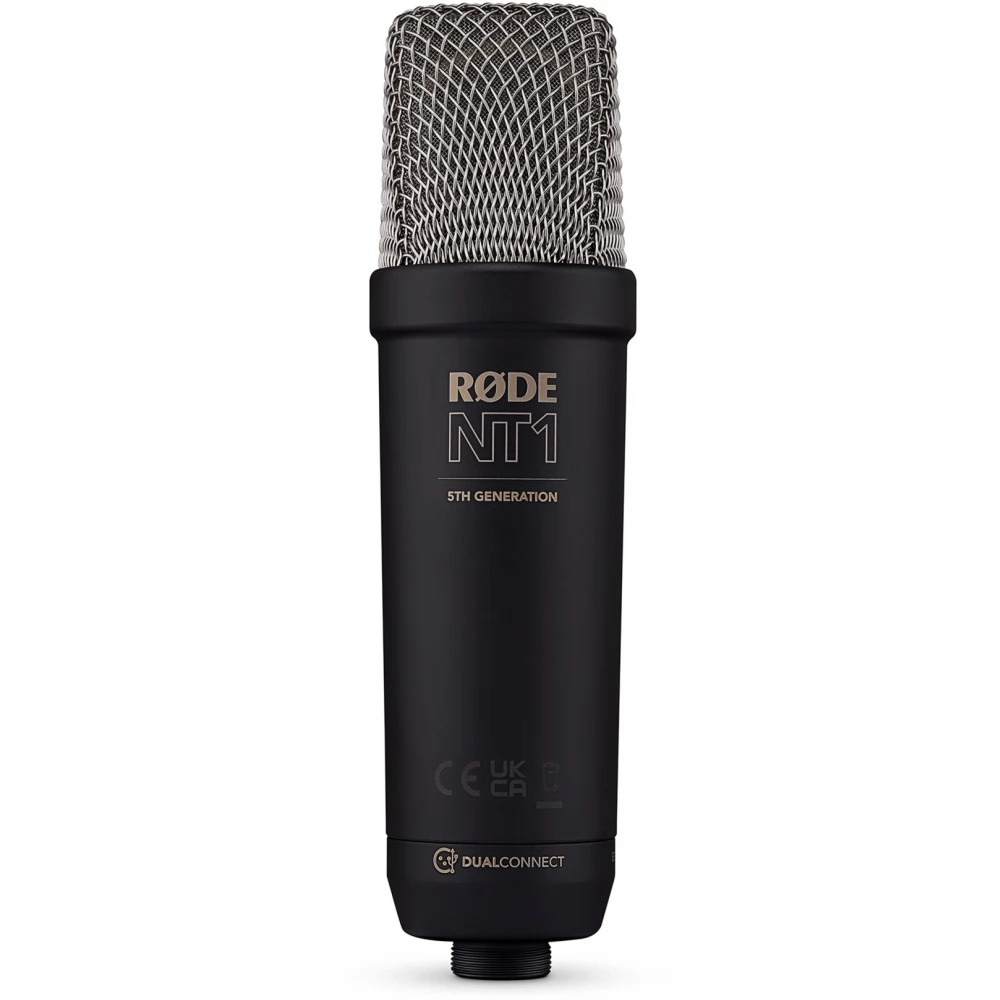
RODE NT1 5th Generation Mikrofon black
78 690 Ft
Product description
Main features of RØDE NT1GEN5:
Large-diaphragm cardioid condenser studio microphone
1" HF6 condenser capsule with gold-plated membrane
Smooth frequency response, high sensitivity and sound pressure tolerance
Uniquely low self-noise of just 4dBA – still the world's lowest-noise condenser studio microphone
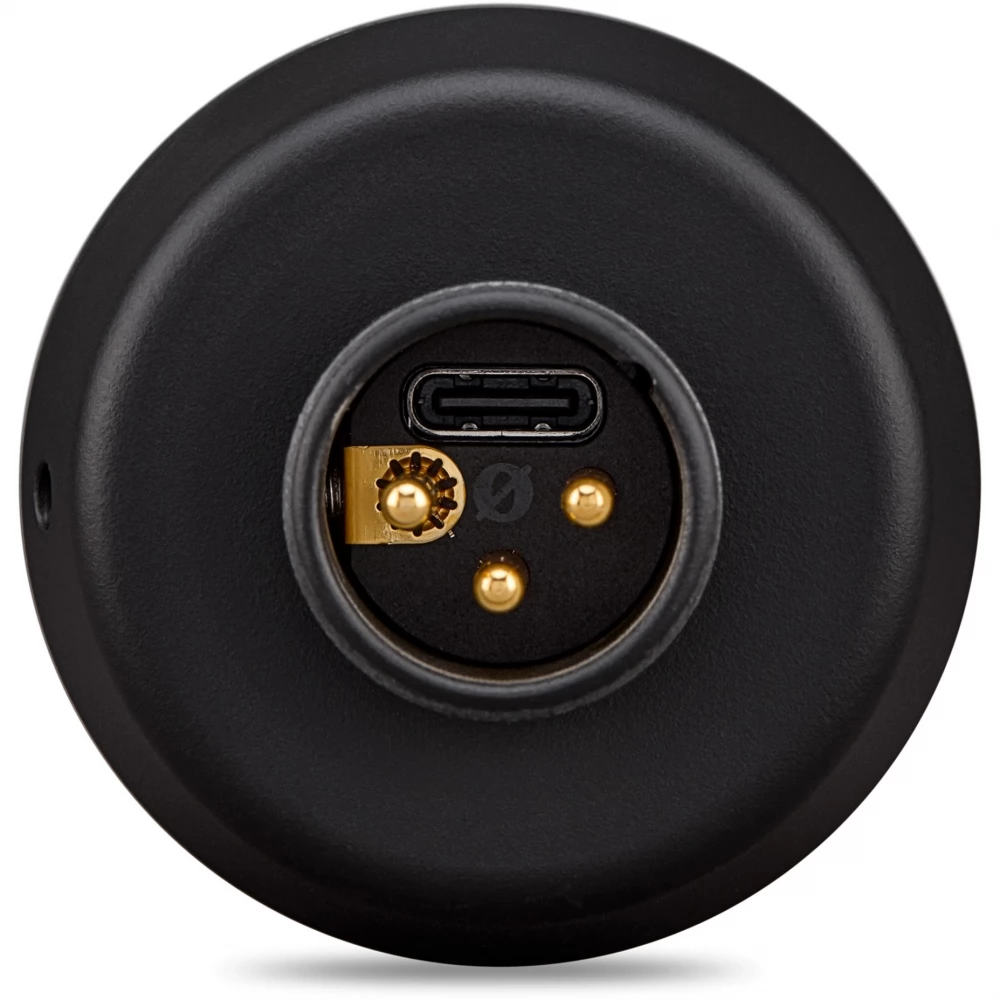
Patent pending dual connection output with XLR and USB connectors
World's first 32-bit floating-point digital output
Built-in high-resolution analog-to-digital converter with 192kHz sampling
Built-in DSP chip with advanced APHEX® sound processor
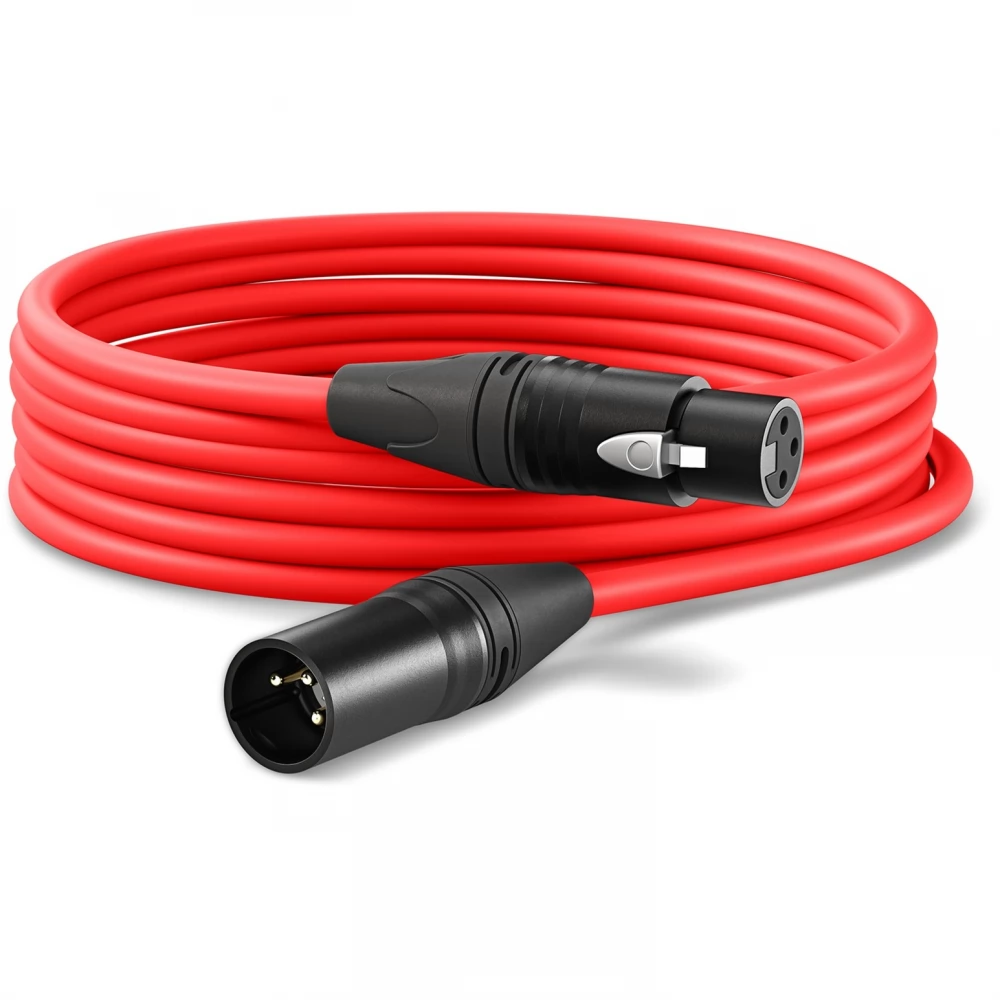
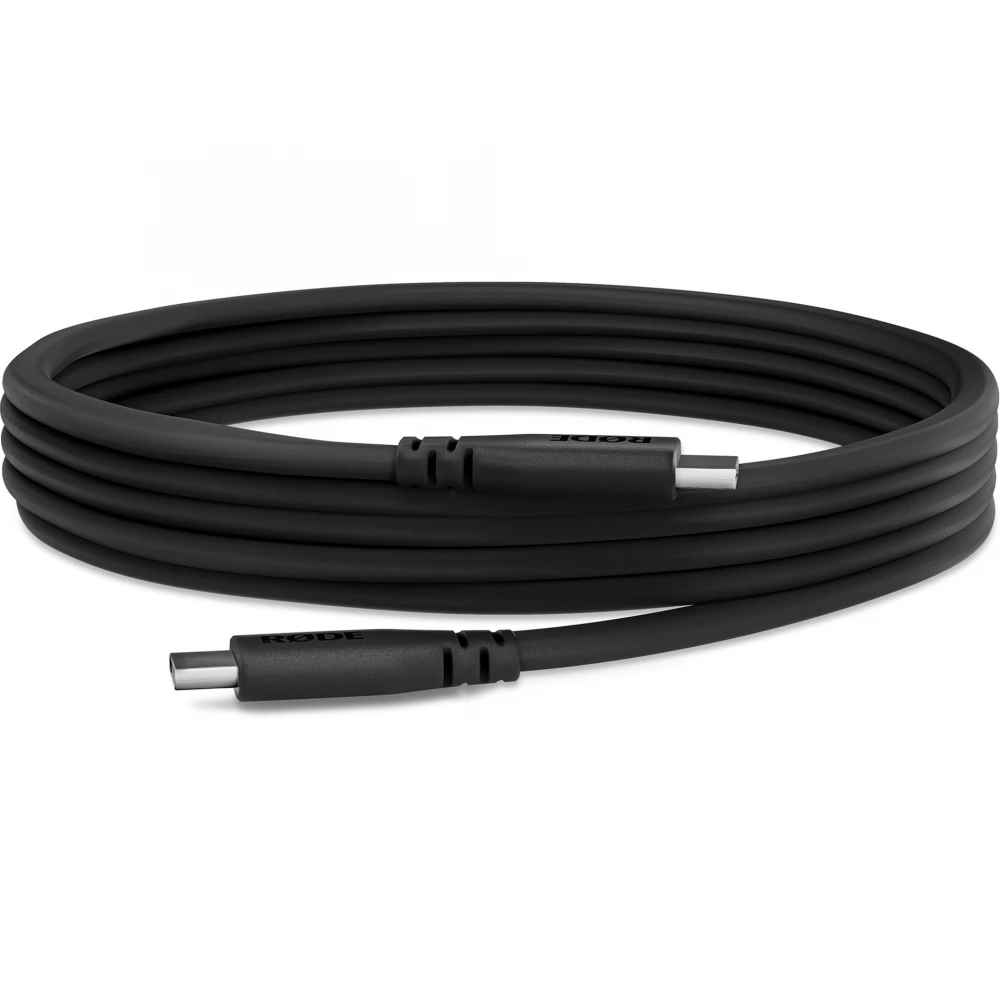
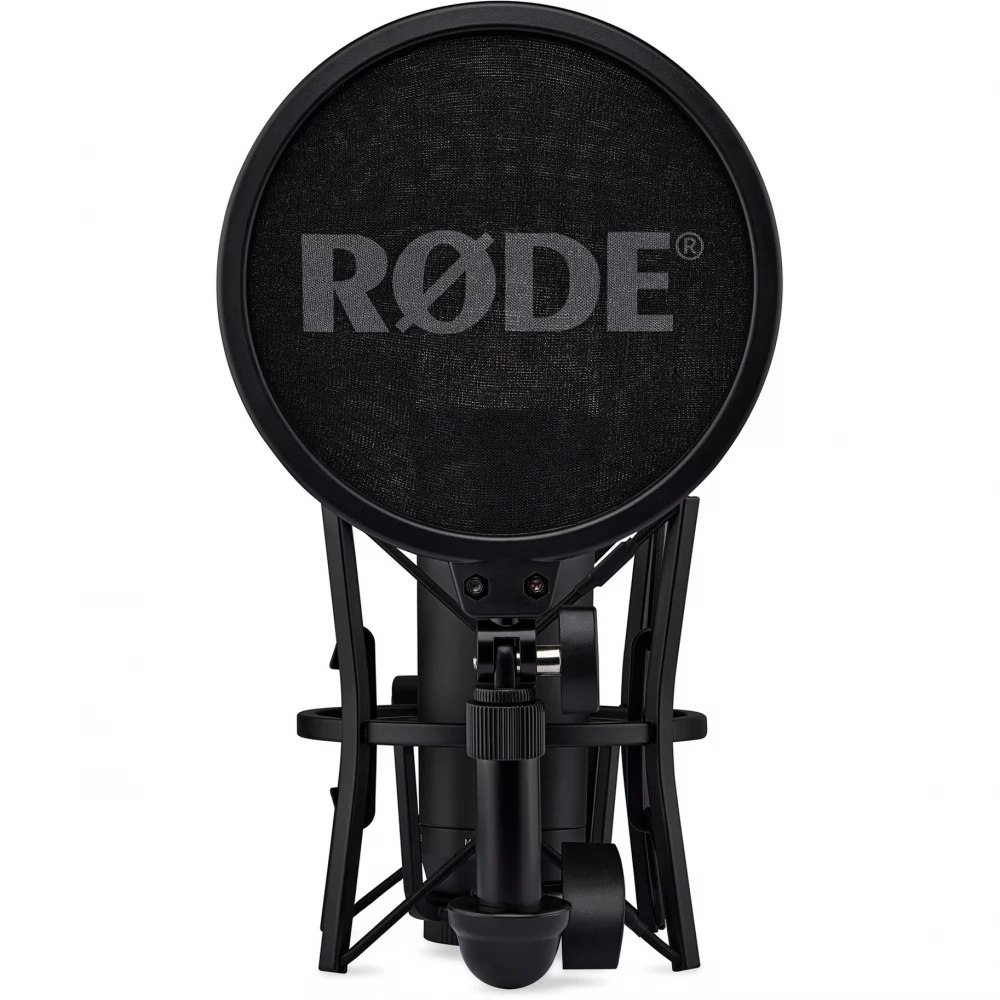
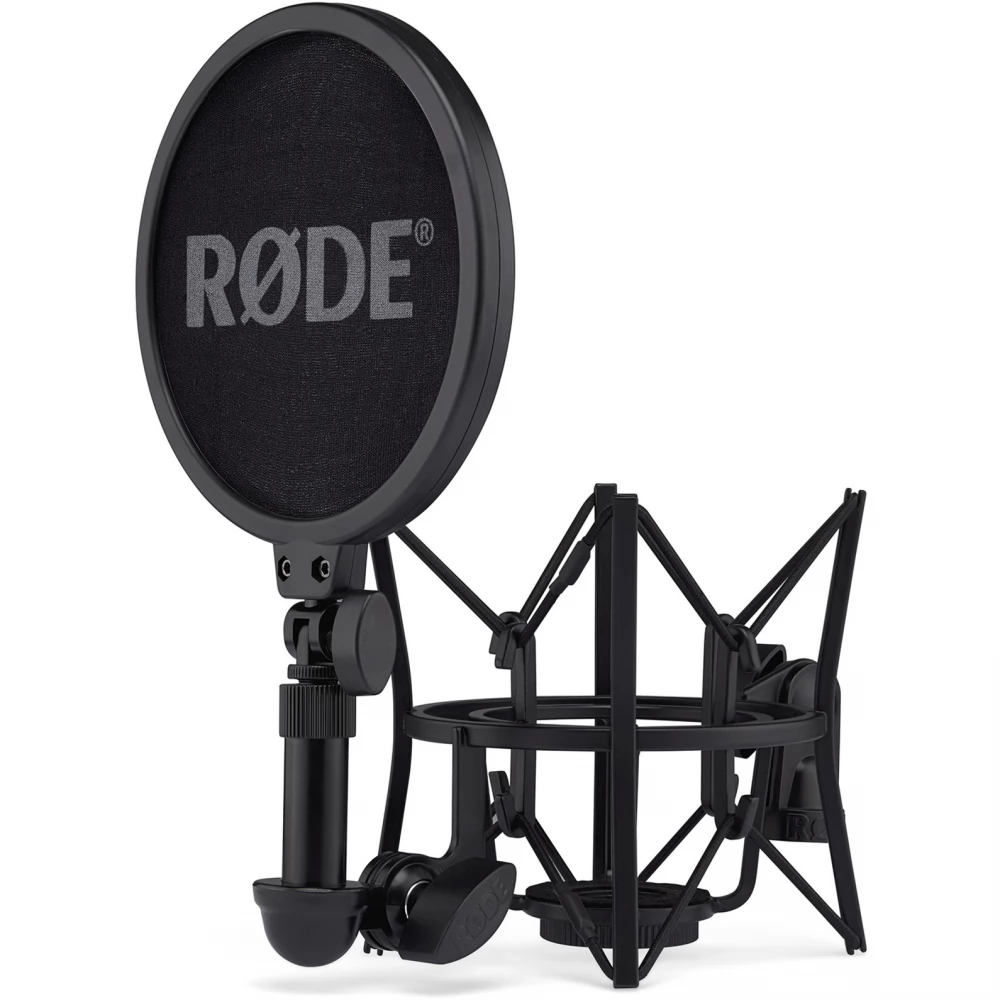
Anti-vibration suspension integrated with studio-quality SM6 pop filter, XLR and USB cable are part of the standard equipment
Solid aluminum microphone body with resistant surface treatment, available in black and silver
Australian design and manufacture, on RØDE's world-class production lines in Sydney
10-year warranty (after online registration)!
The iconic studio microphone is reborn
Released in 1991, the NT1 was RØDE's debut microphone – the first in a long line of microphones that transformed the creative recording workflow. The revolutionary changes in audio technology made it possible for almost everyone to make high-fidelity, high-quality recordings in the early nineties, so a microphone offering top quality at an affordable price came on the scene at the best time, which proved to be an instant success among both novice creators and professionals. In the three decades since then, the NT1 has become the best-selling condenser studio microphone, thanks to its universally loved warm, classic sound, highly regarded versatility and unique durability.
Unparalleled versatility
The latest, 5th generation of the microphone carries on the tradition, keeping all the great improvements made with the NT1 over the decades. RØDE's unique HF6 condenser capsule - introduced in the 4th generation - lends sparkling highs, detailed mids and full lows to all sound sources. Its narrowly tailored cardioid characteristic, smooth frequency response and high sensitivity continue to provide the microphone with versatility - it is suitable for recording almost any sound source, be it vocals and speech, acoustic or electric guitar, percussion or keyboard instruments. Its advanced electronics produce an amazingly low self-noise of only 4dBA, making the NT1 the lowest-noise studio microphone in the world, while its sound pressure tolerance remains exceptionally high. These features are top-of-the-line in themselves, but this is only the beginning of the story...
Ground-breaking connections
For the past 50 years, the default professional audio connection has been XLR, and during that time the standard has changed virtually nothing - until now. The 5th generation NT1 features RØDE's patent-pending pioneering technology, the dual connector output, which offers both an analog XLR and a digital USB connection on the microphone output. Thanks to this, you have the choice to connect the microphone in the traditional way to an audio interface, preamplifier, mixer, or any professional analog XLR input audio device, or directly and plug-n-play to a computer. A professional built-in audio interface in the microphone ensures that the signal appearing on the digital output has exactly the same full and warm characteristics as on the XLR output of the analog circuit. The interface perfectly preserves the original sound fidelity of the NT1, while thanks to its highly innovative features, it greatly facilitates and at the same time raises the workflow of high-quality audio recording to a new level.
Distortion-free digital output - in all conditions
The 5th generation NT1 is the world's first microphone with a 32-bit floating-point digital output. This audio format enables the sound of the sound source to be recorded in the full dynamic range of the microphone, and then the optimal signal level of the recording can be subsequently adjusted after recording, without increasing the noise level or achieving overdrive, while perfectly preserving the original waveform. This means that any low-level and high-level audio source, such as a whisper and a shout, can be recorded digitally with the same setting without worrying about precise gain settings, i.e. barely audible and overdrive. Since the heyday of sound recording, sound engineers have always been "addicts" to the preamplifier knob, this setting has always been the first and most important during the recording process. The 5th generation of the NT1 completely changes this workflow. Thanks to the 32-bit floating-point recording mode, the microphone can be used immediately in any situation without having to worry about distortions due to over-controls.
Classic sound, cutting-edge technology
A
PRICE NOTIFICATION
NOTEBOOK SEARCH

OPINIONS
0.0
