
Dear Visitor! We are carrying out maintenance this weekend, so our website may be slow or briefly unavailable at times. Thank you for your patience!
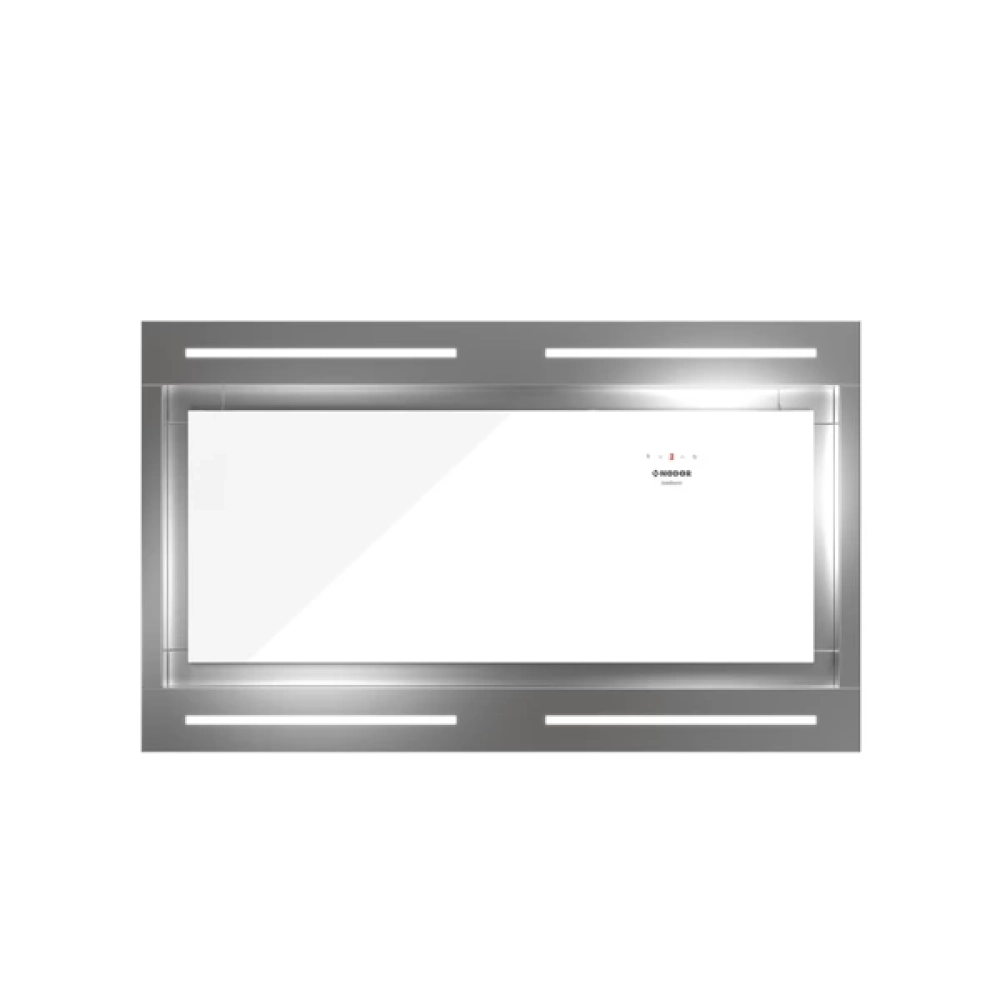
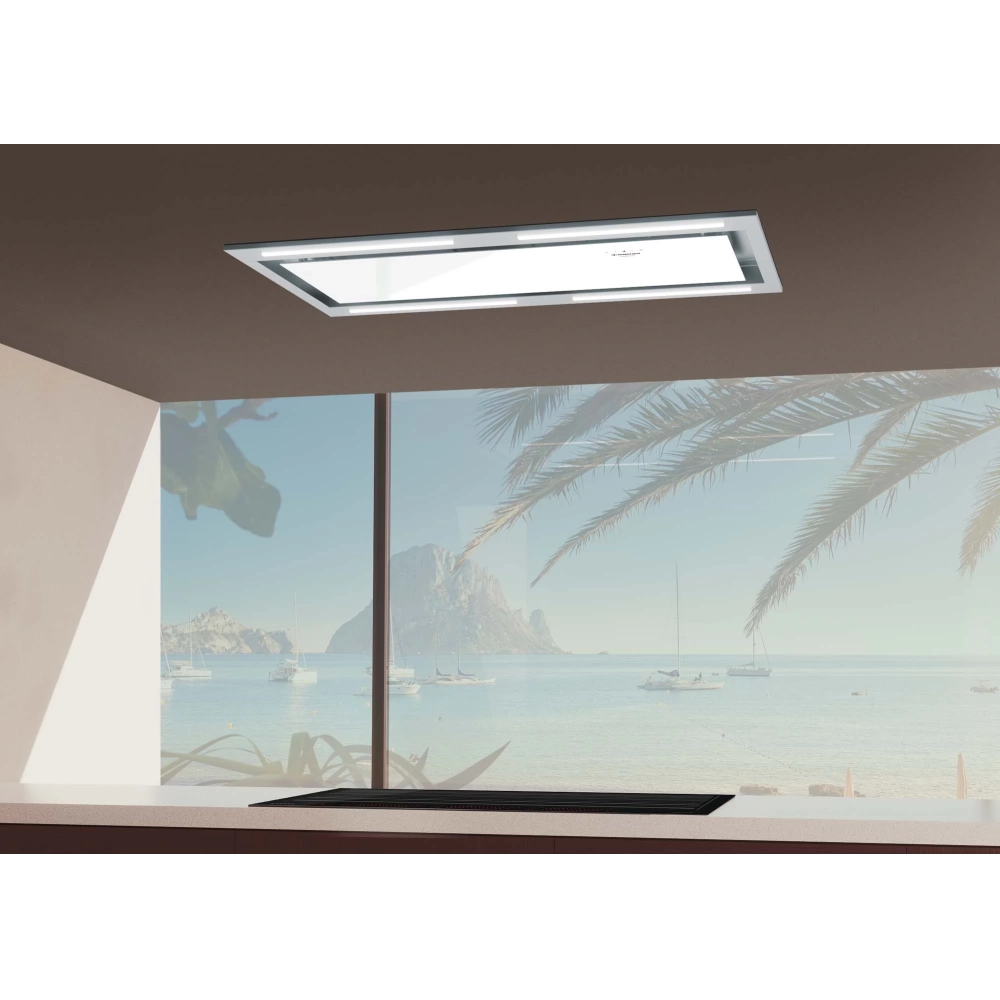
NODOR NorBreeze ISLA DEIMOS 1000 RF Hob to Hood Dehumidifier
499 990 Ft

Product description
Silence and efficiency fit together. Excellent exhaust power and low noise levels (46 pcs) together make nodor vapor extracts a perfect complement to home. Nodor new hoods can be easily cleaned thanks to smooth surfaces and built -in touch controls, and their installation and equipment have been faster and easier. Another key aspect is lighting. Each nodor hood has extremely effective LED lighting: LED strips that fully illuminate the workspace or create the mood needed for a romantic dinner.
One of the most important elements of the kitchen is the exhaust, and the new nodor extractors revolutionize the kitchen. Automatic control of the exhaust, pairing for hobs, fully built -in automatic panels that hide the aesthetic appearance of the filters and perfect the umbrella, motion detectors to automatically start exhaust and light, automatically control air cleaning and proper ventilation to keep the aroma of the food only in the food.
Nodor Norbreeze Isla Deimos 1000 RF Ceiling Hippopter's Unique Properties:
Nconnect2 nconnect (HOB to Hood)
Radio frequency connection between the exhaust and the hob. The various functions of the exhaust can be controlled from the hob.
Perimetric technology
In this special technical solution, the exhaust is a so -called. It is done along the edge of the noise reduction panel, forming an air curtain above the cooking surface, thereby increasing the air velocity and enables efficient air transport.
Nchill
By setting the LED lighting intensity, you can create a perfect mood in your kitchen for cooking or to surprise your guests.
Ntime
Post -ventilation function. Grade 5 minutes plus operating time to always have fresh air in the room.
Filter Saturation Indicator
Fat screening display. When the exhaust is off and the circuit senses that the device has been in operation for more than 30 hours, the timer (timer) LED button will blink with red light, indicating that the filters need to be cleaned.
Brushless
The DC engine without a carbon brush, also known as electronically communized engine, feeds on an inverter from a DC that generates alternating current to drive each phase through the closed loop controller. This provides power pulses for engine coils that control speed and torque. Essentially, engines without a coal brush typically contain a permanent magnetic field that rotates around an electronically controlled fixed aroma and replaces the physical carbon brushes and the commutator parts.
Without friction caused by carbon brushes, Brushless motors require minimal periodic maintenance, which allows them to be held in a closed house, reducing the entry of external powder and particles into the engine compartment, which can endanger moving parts. Motors without carbon brushes show more power and lower energy consumption than their coal brush counterparts.
Benefits of Brushless Motor:
- The engine is quieter as it is less in contact with moving parts
- higher power and efficiency (higher torque/watt ratio)
- more accurate electronic control
- Longer life/reliability (no wear as there are no coal brushes)
- Smaller engine warming (no friction Since there are no coal brushes)
Other features:
- Energy Efficiency Class: According to the+ / New Energy label: C
- Nominal voltage: 220-240
- Nominal frequency: 50/60 Hz
- Nominal input power: 145 W
- Protection against electric shock: Class I
- Minimum distance from electrical disk: 550 mm
- Minimum distance from gas sheet: 700 mm
- light: LED
- Motor quantity: 1
- Engine Model: BT4DC
- Maximum pressure: 357 PA
- filter technology: aluminum net
- Control technology. Electronic touch control
- Power levels: 6
- AEC (annual energy consumption) (kwh/year): 24.9
- EEI class (Energy Efficiency Department): AP
- FDE (liquid dynamic efficiency): 39.3
- FDE class (liquid dynamic efficiency class): a
- down (light efficiency) (lux/w): 11.5
- Down class (light efficiency class): e
- GFE (fat screening efficiency): 58, 6
- GFE class (fat screening efficiency class): E
- Airflow in normal mode min: 270.8 m3/h
- Airflow in normal mode max: 608.5 m3/h
- Airflow in BOOST mode min: 851.6 m3/h
- Acoustic power in normal mode min: 46 pcs
- noise level in normal mode max: 65 pcs
- noise level in boost mode: 70 pcs
- PO (Power Consumption in Discrequent): 0.46 W
PRICE NOTIFICATION
NOTEBOOK SEARCH

OPINIONS
0.0
