
MAGUS ND10R 10х/22 mm eyepiece irányzékkal and dioptria-állítási options (D 30 mm)
not available
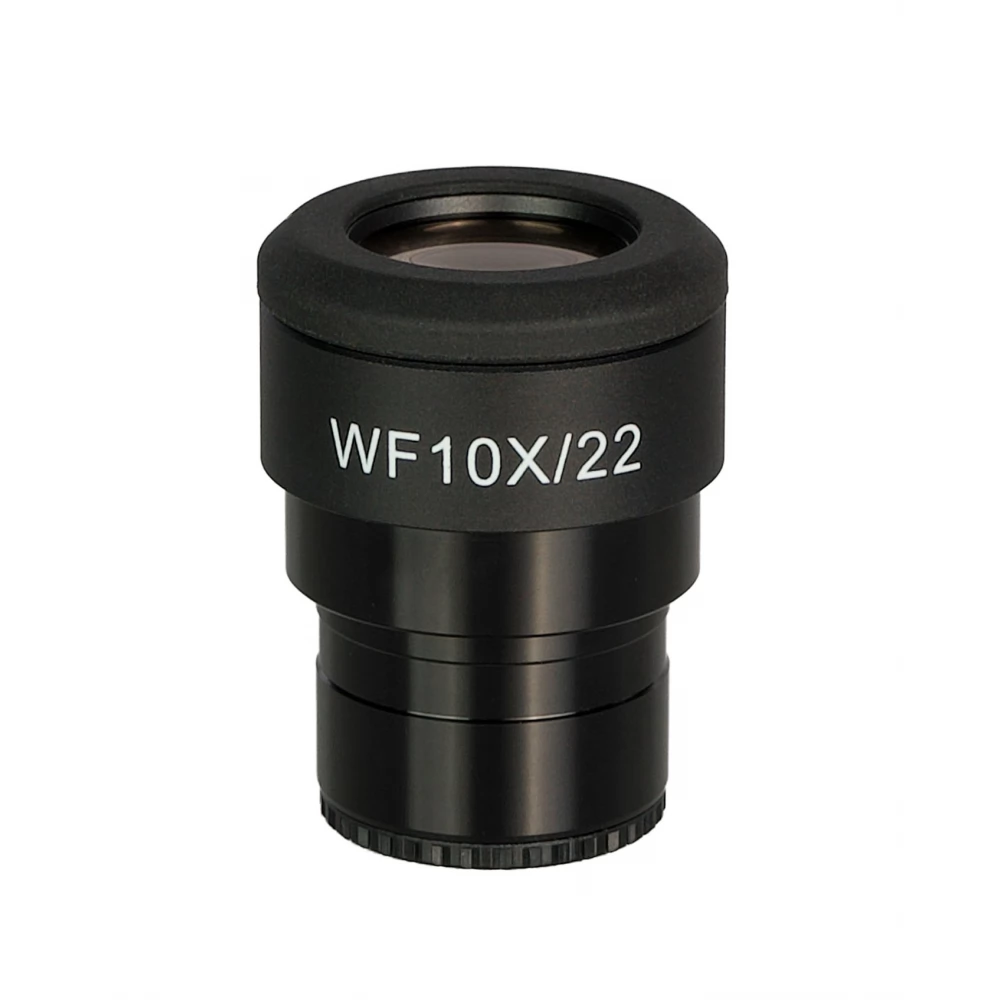
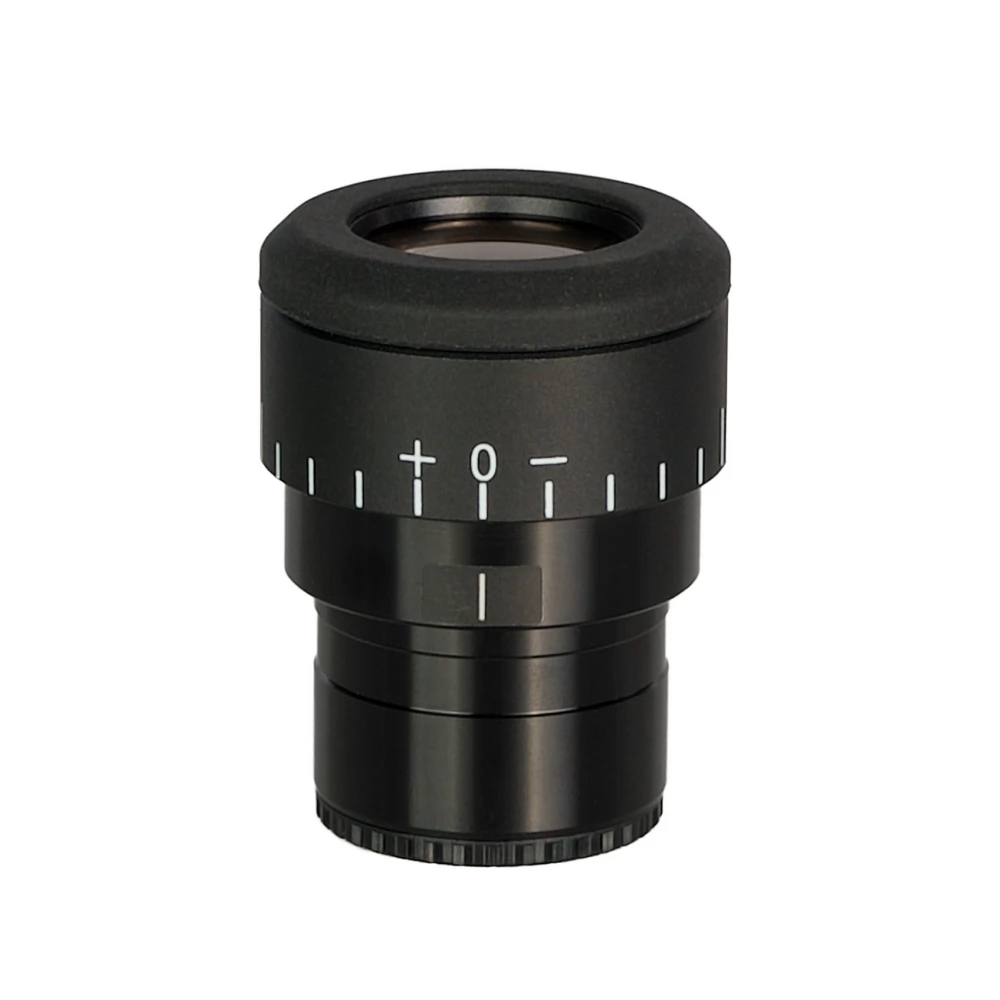
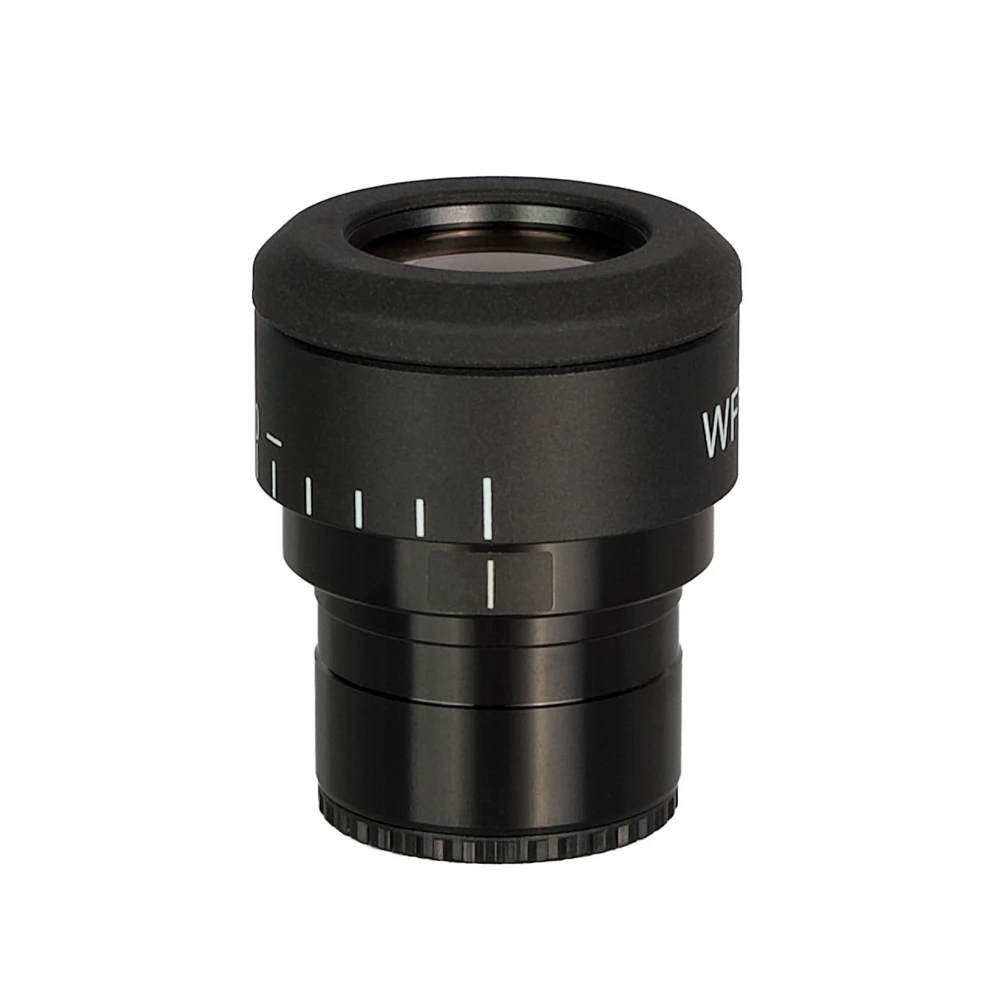
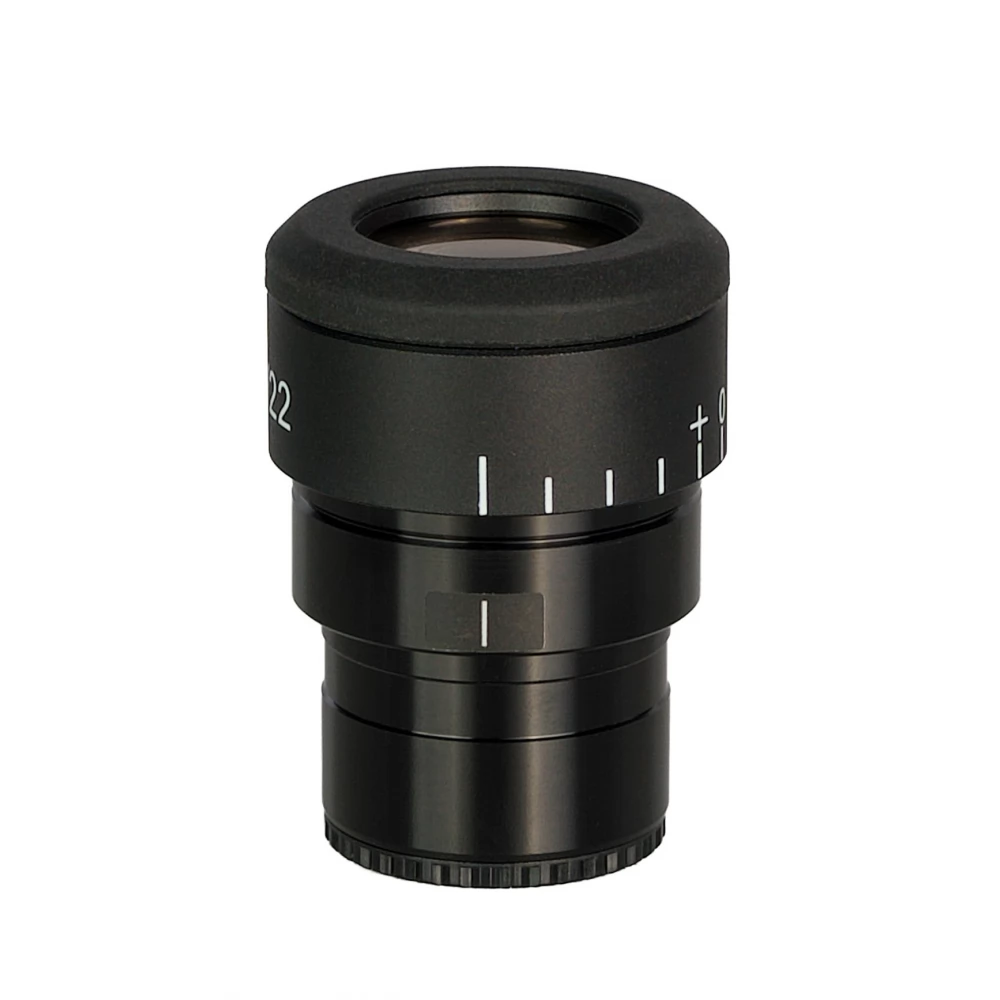
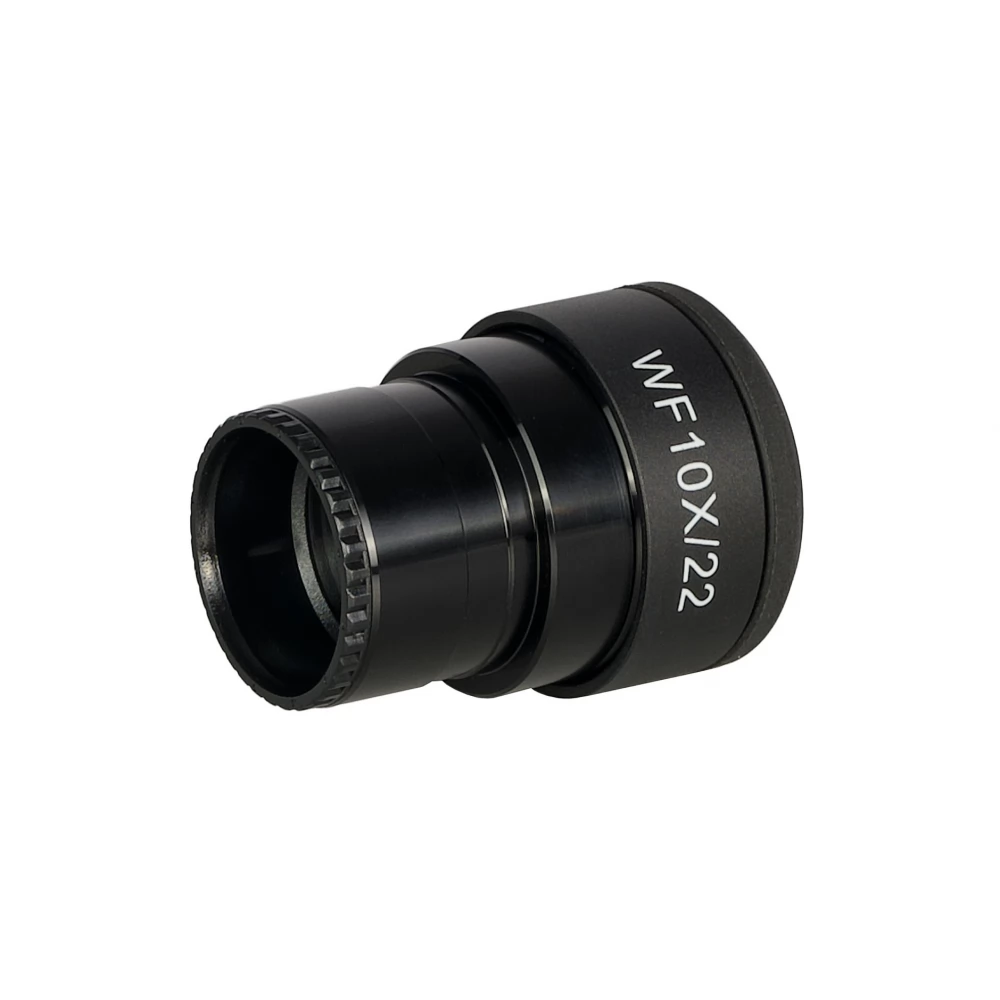
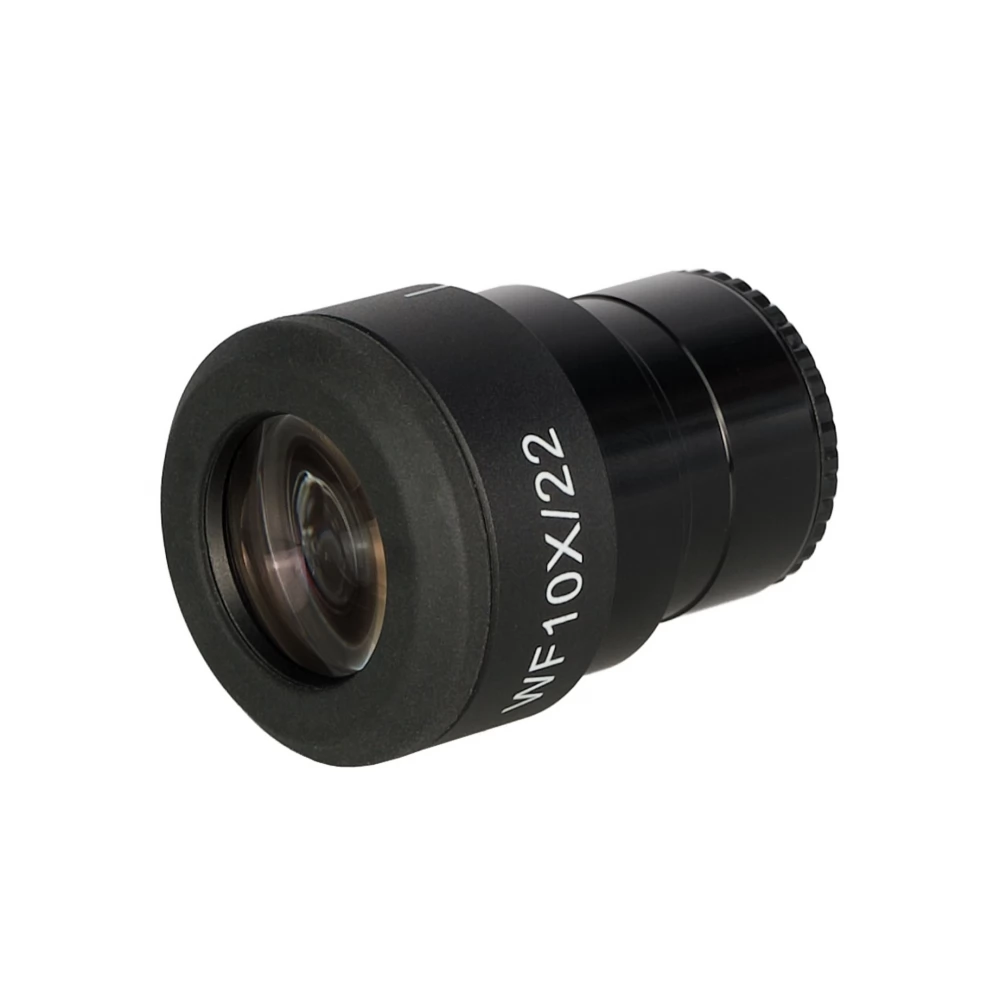
MAGUS ND10R 10х/22 mm eyepiece irányzékkal and dioptria-állítási options (D 30 mm)
not available
Product description
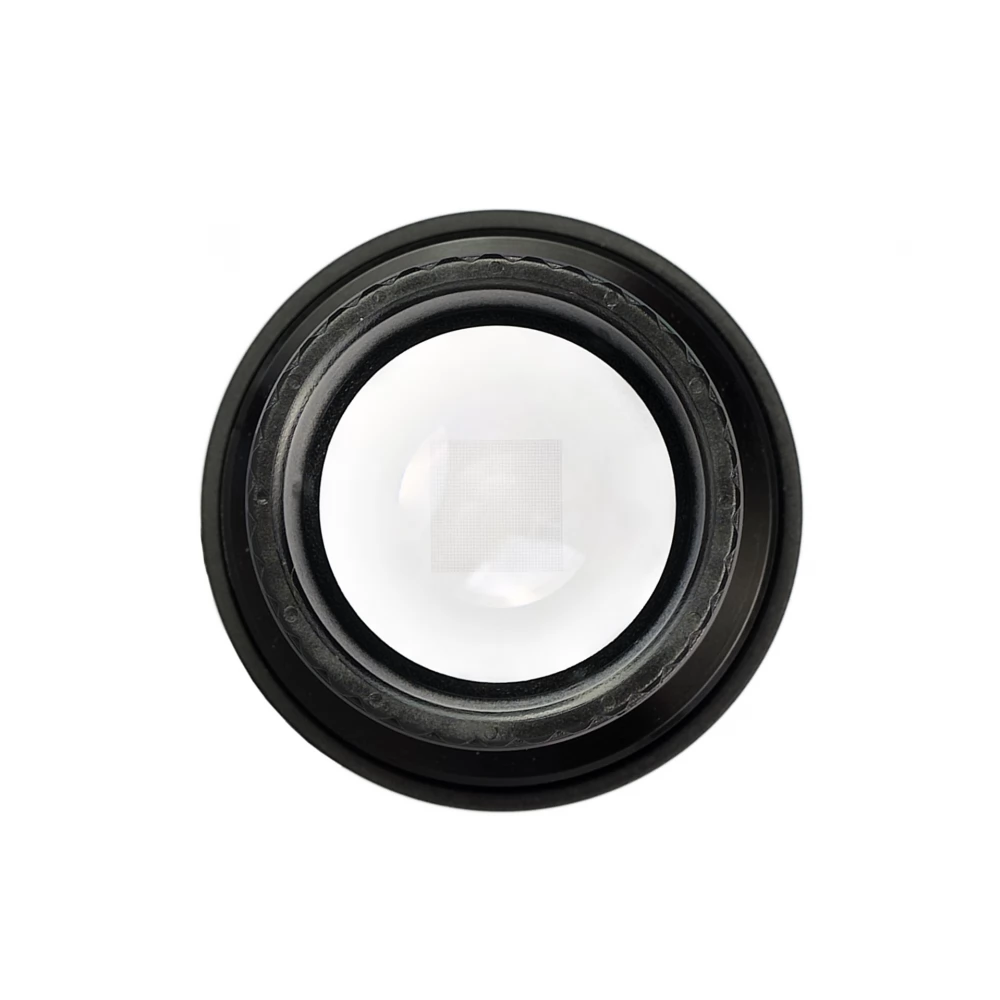
The sighted eye lens is used to determine the size of the samples and their structures in linear units (millimeters or microns), to measure the area of the structures in the sample and to compare the particle number. The tour is located in the field of Meződiafragma with a division of 0.1 mm. The eye lens with the sight should be fixed to the usual 10x lens. The second lens is installed in the same type of eye lens.
The lens is compatible with microscopes with 30 mm lens.
Setting
Before the measurements are made, the lens destination must be calibrated separately for each lens you want to use. This requires a calibration slide - a table table with a micrometer scale. The smallest division is 0.01 mm. The slide should be placed on the object table and focused on the scale with the microscope. The lens of the eye should be rotated in the lens tube until the slide and the range are parallel to each other.
Calculate the value of the tour to each lens
If you use small magnified lenses, you have to calculate how many divisions of the lens can fit into the slide scale. When using medium and large enlarged lenses, you need to calculate how many divisions of the slide can be divided into the division of the eyeliner.
The individual lenses are calculated by the following formula: е = тl/A, where E - the division value of the destination т - the grade distribution value given on the micrometer of the object (0.01 mm) - the number of micrometer divisions of the object table is the number of divisions.
Values obtained for division division for each lens must be recorded.
Calculate the real linear size of the object
When measuring an object, you first need to count on how many divisions of the lens is covered by the object. The result must be multiplied by a destination value previously calculated for the selected lens. The resulting value will be the true linear value of the object.
Calculation of the area of the object
To determine the area of the object structure, you need to count how many sections of the structure cover. If the structure covers only a portion of the square, then it must be determined in advance how this square will be taken into account during the final calculation: it is ignored or added to the result. The tournament lens is only used to determine the area; For the exact calculation, it is worth using image analysis software.
Definition of particle
The sighted lens can also be used to compare particles in a particular area. First you have to count on how many small particles there are in a square, and then this should be multiplied by the number of squares. Then you have to count the number of large particles throughout the area. The numbers thus obtained can be compared.
Compatibility
- Magus Bio 260T Biological Microscope
- Magus Bio DH260 Biological Microscope
- Magus Bio 270T Biological Microscope
- Magus Bio 290T Biological Microscope
- Magus Bio V360 Biological Reverse Microscope
- Magus Lum 450l Fluorescent microscope
- Magus Metal V790 DIC Metallographic Reverse Microscope
- Magus Pol 890 Polarizing Microscope
PRICE NOTIFICATION
Recommended for you
Similar products
NOTEBOOK SEARCH
OPINIONS
OPINIONS
