
Dear Visitor! We are carrying out maintenance this weekend, so our website may be slow or briefly unavailable at times. Thank you for your patience!
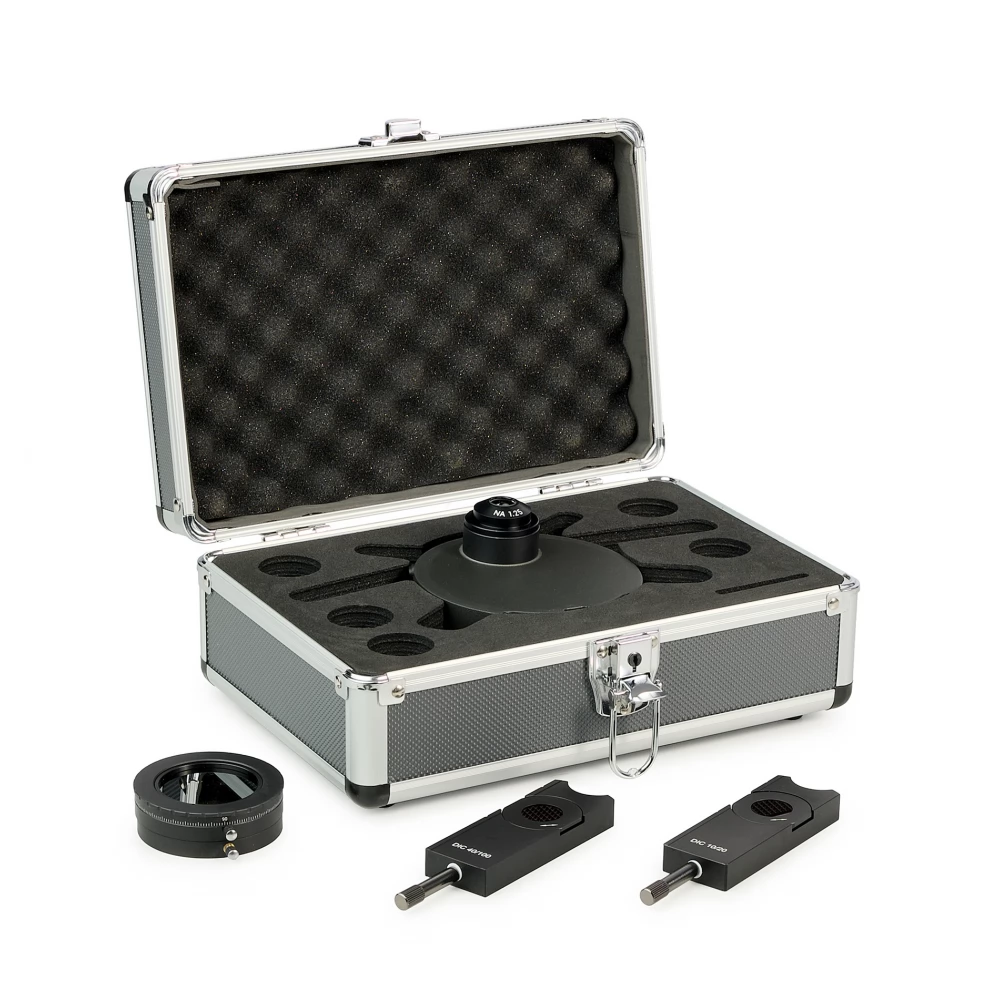
MAGUS DIC290 accessory kit
1 204 190 Ft
1 136 390 Ft
Product description
The differential interference contrast (DIC) tool is used to study transparent low -contrast patterns that are not visible in a clear vision. The technique improves the resolution and purity of the image by optical, not chemical, and provides extra information about the structure of the sample. The DIC technique provides pseudo-reslief images. The color and intensity effects of the image are determined by the change of change of the refractive index and the thickness of the adjacent sections of the sample. The image of the sample appears three -dimensional. The 3D view does not show the actual geometry of the sample; Instead, the system color the sample according to the optical thickness. This technique is not suitable for measuring actual height and depth. DIC and phase control techniques complement each other. Images of similar contrasts are produced, but there are no diffraction phase control lights around the patterns. These light courties appear because the refractive index of the sample and the surrounding medium is different. They often obstruct the details at the edges of the observed structures. These details can be seen with DIC technique.
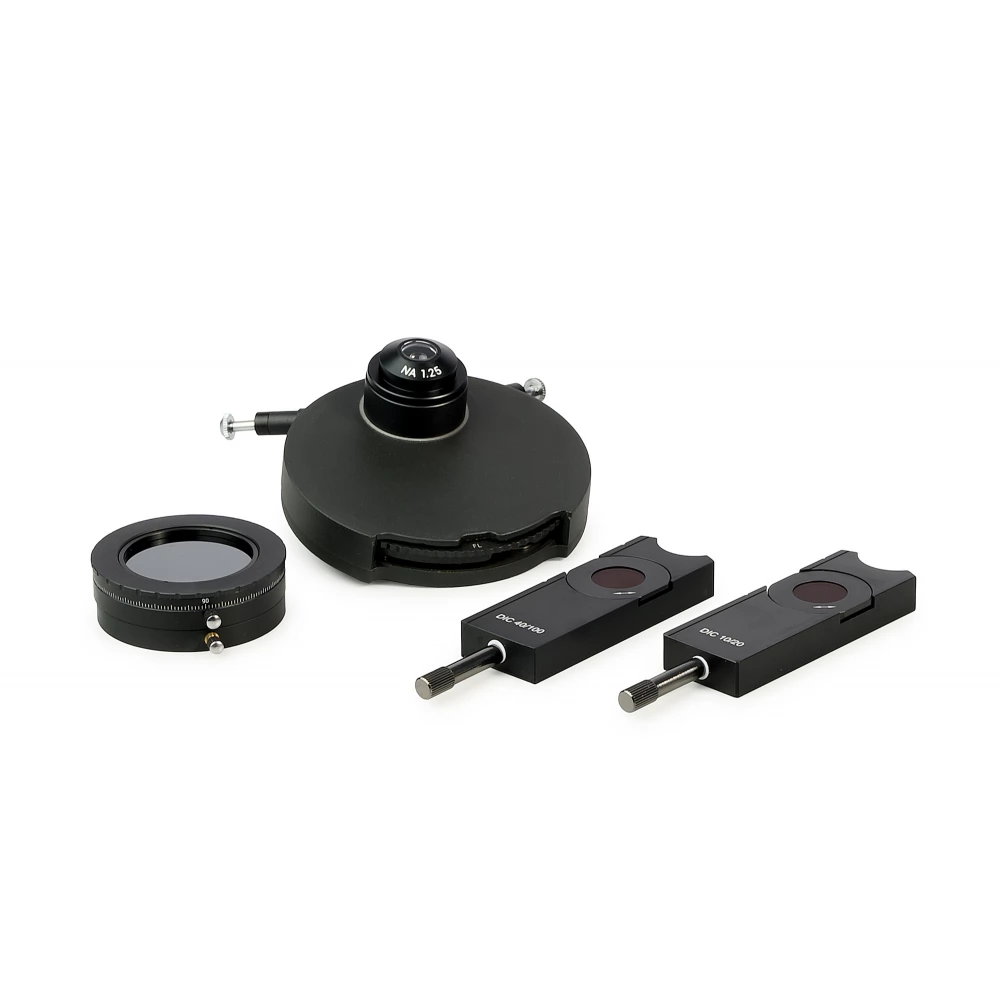
The differential interference contrast device contains a DIC-condensor, a polarization filter, and DIC slides.
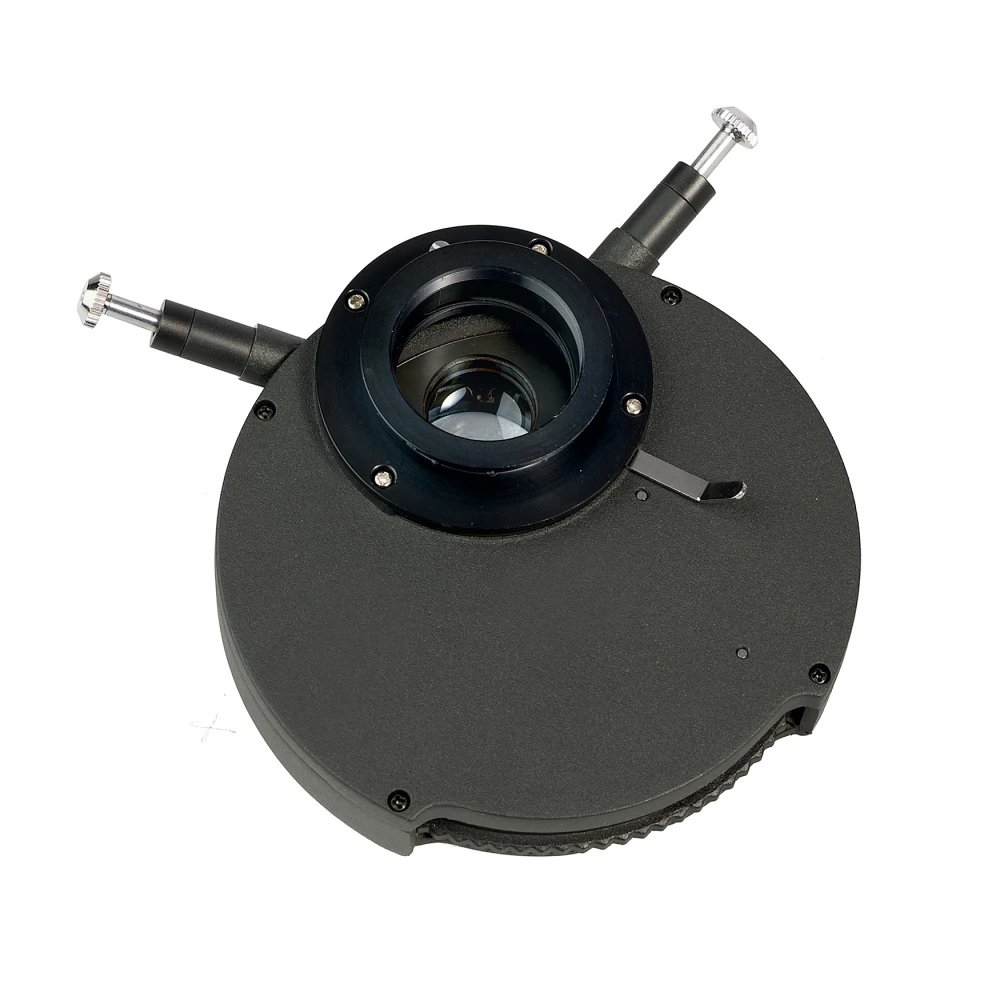
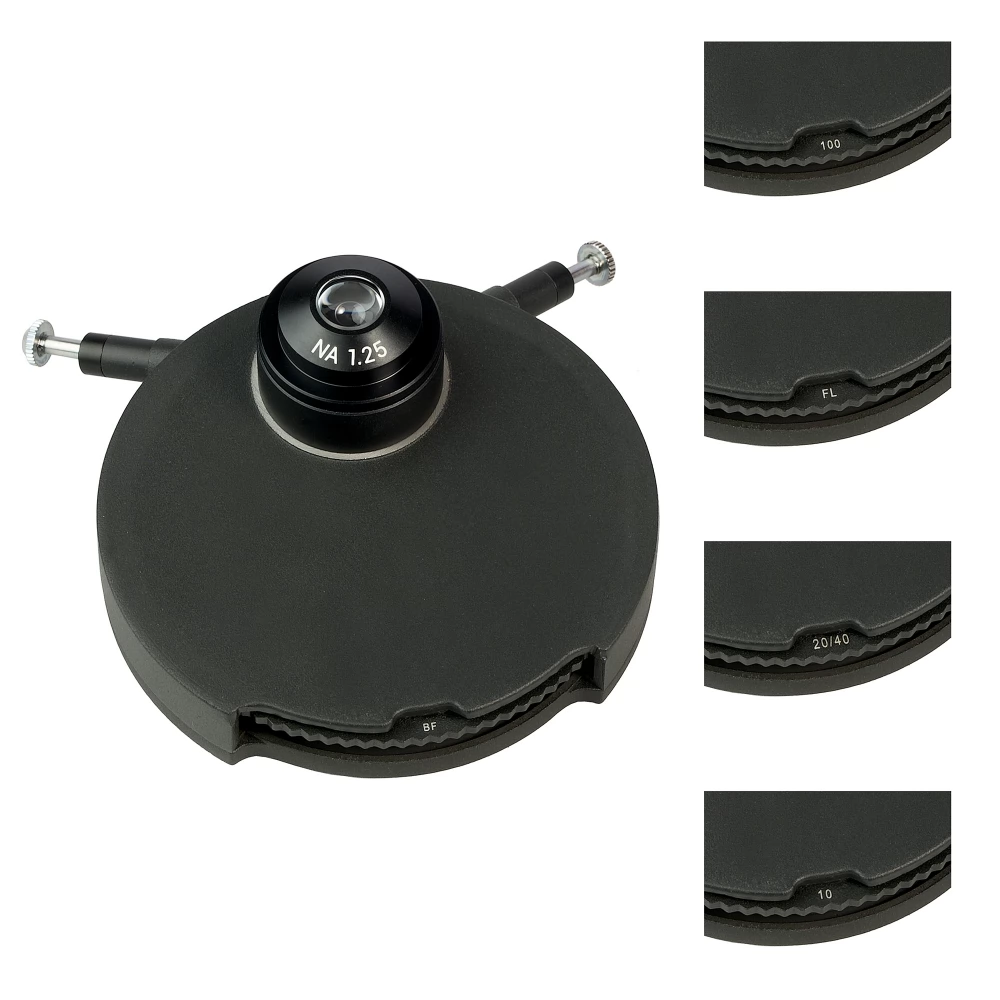
Dic-condensor
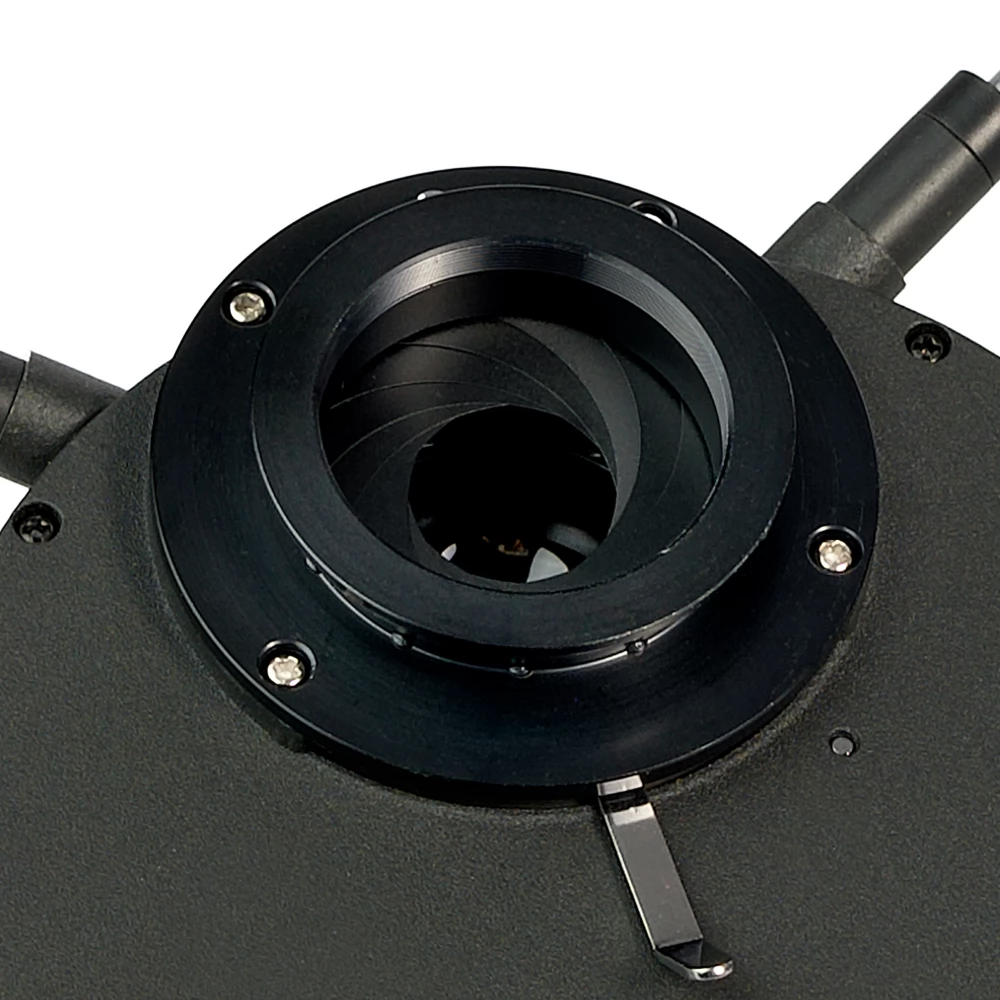
The DIC-condensor is replaced by a light-minded condensor. In addition to DIC prisms, the revolver head also contains an opening used for clear vision observations. Which DIC prisms need to be used in the revolver head depends on which lens is used.
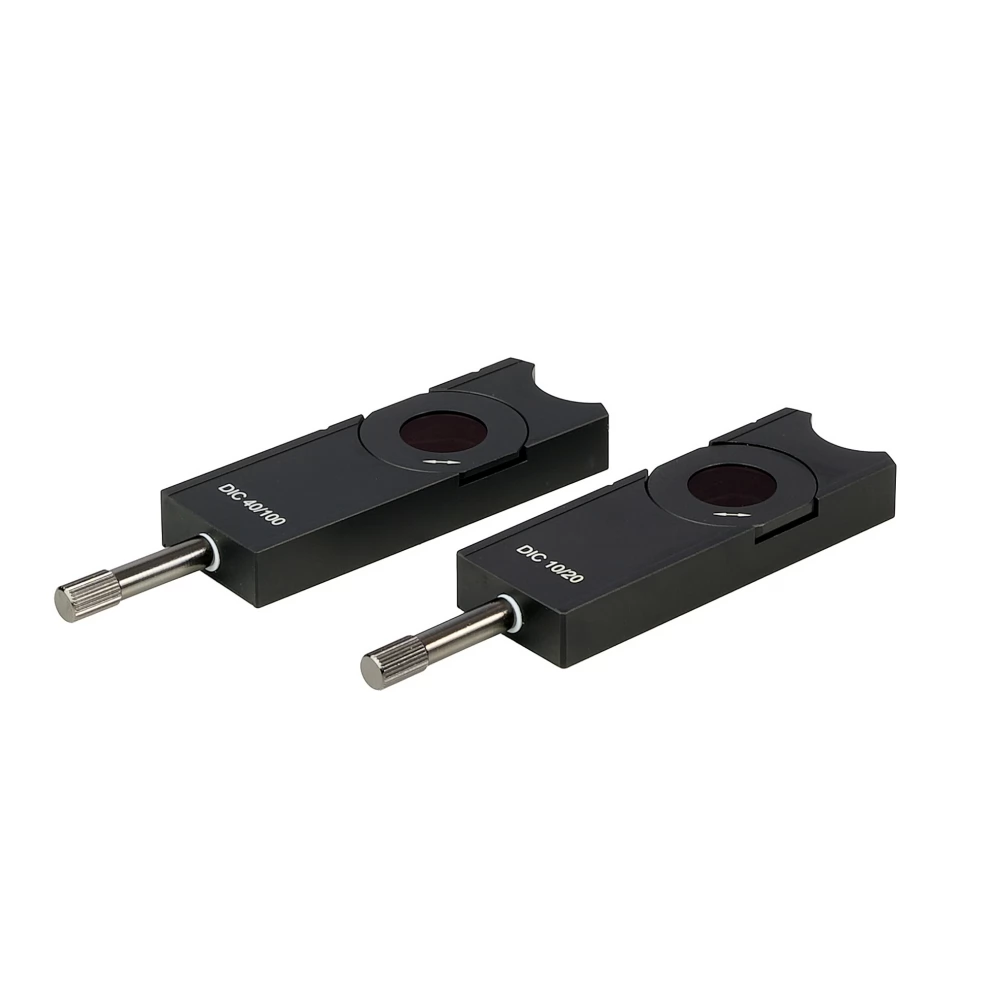
Dic-slides
The DIC Slider should be installed in a special opening above the revolver head. The DIC Slider should be used with the lens to it. The slider is a plate with DIC prisms and an analyzer. The Magus DIC290 has two slides: one with 10x and 20x lenses and the other with 40x and 100x lenses. By rotating the slider button, DIC can be moved transversely.
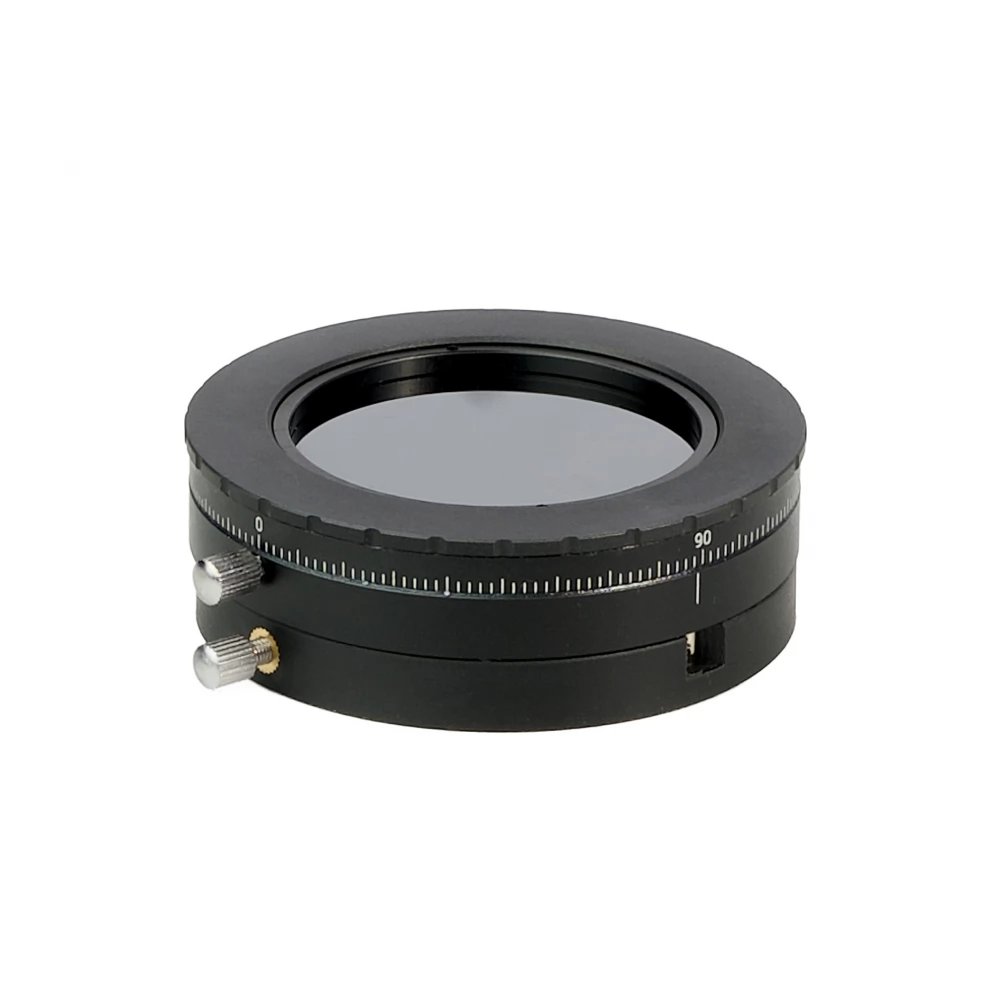
Polarization filter
At the DIC technique, the light from the lighting body passes through a polarization filter. The polarizator must be placed on the collector.
Recommended lenses
The lenses are not part of the Magus DIC290 set of assets. In the case of DIC technique, the optical components must be accurately located relative to each other-the lower dic-prism of the condensor and the upper DIC prism for the rear focal plane of the lens. The MAGUS DIC290 tool is designed for the Magus Bio 290T microscope, so the DI DIC technician observations must be used with lenses or other compatible lenses attached to the microscope. We recommend the use of larger compartment Magus FL S-APO60 PLANF lenses. Larger compartment lenses can focus on the thin and flat section of the thick patterns (called optical pruning). Larger apertures also increase the resolution of the optical microscope.
Compatibility
- Magus Bio 290T Biological Microscope
Package
- Dic revolver -head condenser
- 10x/20x dic-slide
- 40x/100x DIC-slide
- Polarization filter
PRICE NOTIFICATION
NOTEBOOK SEARCH

OPINIONS
0.0
