
Dear Visitor! We are carrying out maintenance this weekend, so our website may be slow or briefly unavailable at times. Thank you for your patience!
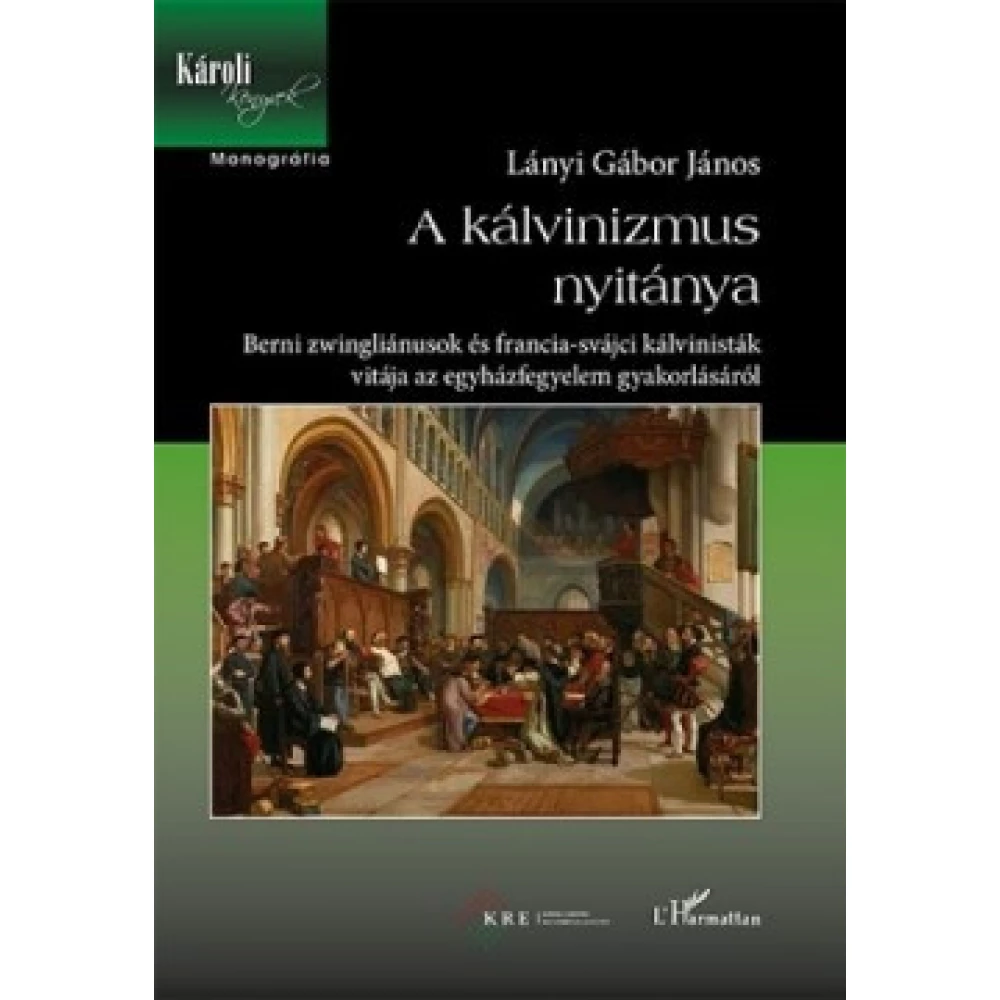
Lányi Gábor János - A Kálvinizmus nyitánya - Berni zwingliánusok and francia-svájci kálvinisták vitája az egyházfegyelem gyakorlásáról
2 944 Ft
Product description
It is not customary to talk about family disputes. Is it possible to talk about the debate that took place within the family of Protestantism in the commemorative year of the Reformation? Perhaps this can only be authorized if we get closer to a deeper understanding of our religious identity. The main issue of the conflict that took place between 1536 and 1560, which is at the center of the work, was who could exercise the right to ban from communion and excommunicate from the congregation. The Council of Bern reserved this right for itself based on Zwingli's theological heritage. On the other hand, the French-speaking pastors in the Lausanne area living under Bernese rule, following Calvin's teachings, attributed this right to the consistory made up of ecclesiastical and secular officials, the prototype of our modern presbyteries. The debate was not only conducted with theological means. Intimidation, imprisonment and exile were all included in the tools of the state power that feared its prerogatives. Among those who opposed them, for the first time in history, an identity based on adherence to Calvin's interpretation of the Scriptures emerged. This new identity, which united the French-speaking pastors and made them ready to suffer rejection for their acceptance, can rightly be called Calvinism, and they, although they would certainly have protested against this name, the first Calvinists. In this way, this new conflict that creates a common identity is the opening of Calvinism.
PRICE NOTIFICATION
NOTEBOOK SEARCH

OPINIONS
0.0
