
Dear Visitor! We are carrying out maintenance this weekend, so our website may be slow or briefly unavailable at times. Thank you for your patience!
James Bridle - Az human intelligencián túl - Animals plants gépek: a földi értelem footsteps
4 314 Ft
Product description
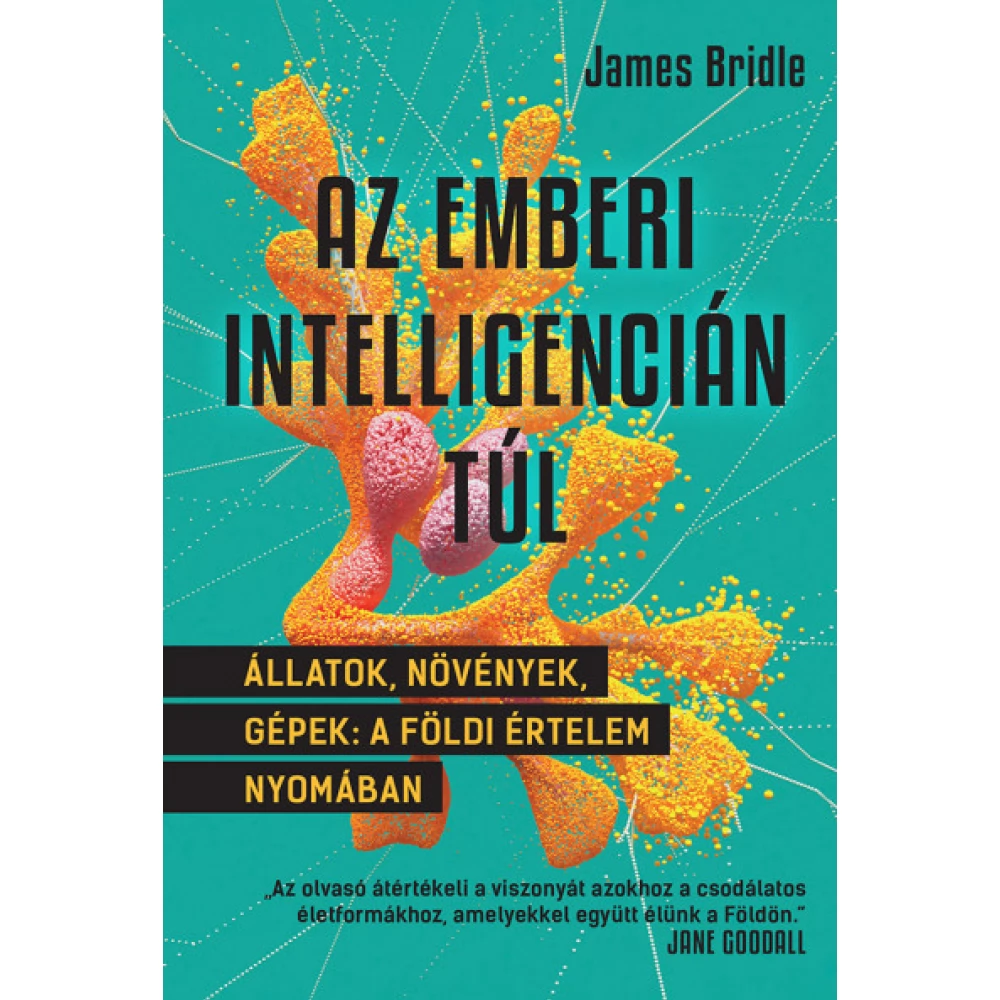
"If we want to change our relationship with the world, our method may be to change our image of intelligence: how it works and who owns it. Beyond the narrow interpretation that most tech companies and those who emphasize the uniqueness of man principle (that human intelligence is unique and superior to all others), there are many other approaches to thinking about intelligence and to practicing intelligence itself.This book aims to begin a reinterpretation of intelligence: to look beyond the horizons of ourselves and our creatures , and catch a glimpse of one or more other kinds of intelligence, ones that have always been right there with us, right under our noses - and preceded us in many ways. In the process, we might just change the way we think about the world and lead the way to a new, less exploitative, less destructive, less towards an unequal, fairer, friendlier, healing future."
"This is an important book. Read it. Read it again. Talk about it. To everyone you know."
The Washington Post
Can a plant remember? Can an elephant recognize itself in a mirror? Can we build a computer out of crabs?
At first glance, there is no connection between the above questions, but in fact they all focus on the same thing: how does non-human intelligence work. For thousands of years, we believed that the ability to reason is unique to humans, but in the world around us there are other forms of intelligence that have always been here with us on Earth, we just didn't notice them until now. And we have been developing a new kind of understanding not so long ago: artificial intelligence has completely transformed our lives in recent years, but in addition to its obvious advantages, its harmful effects and dangers are increasingly visible.
What can we learn from these different sentient beings? How can we change and change our technology, our society, so that we can live more fairly with each other and the world? Beyond human intelligence, he seeks answers to these questions that affect the fate of all of us.
PRICE NOTIFICATION
NOTEBOOK SEARCH

OPINIONS
0.0
