
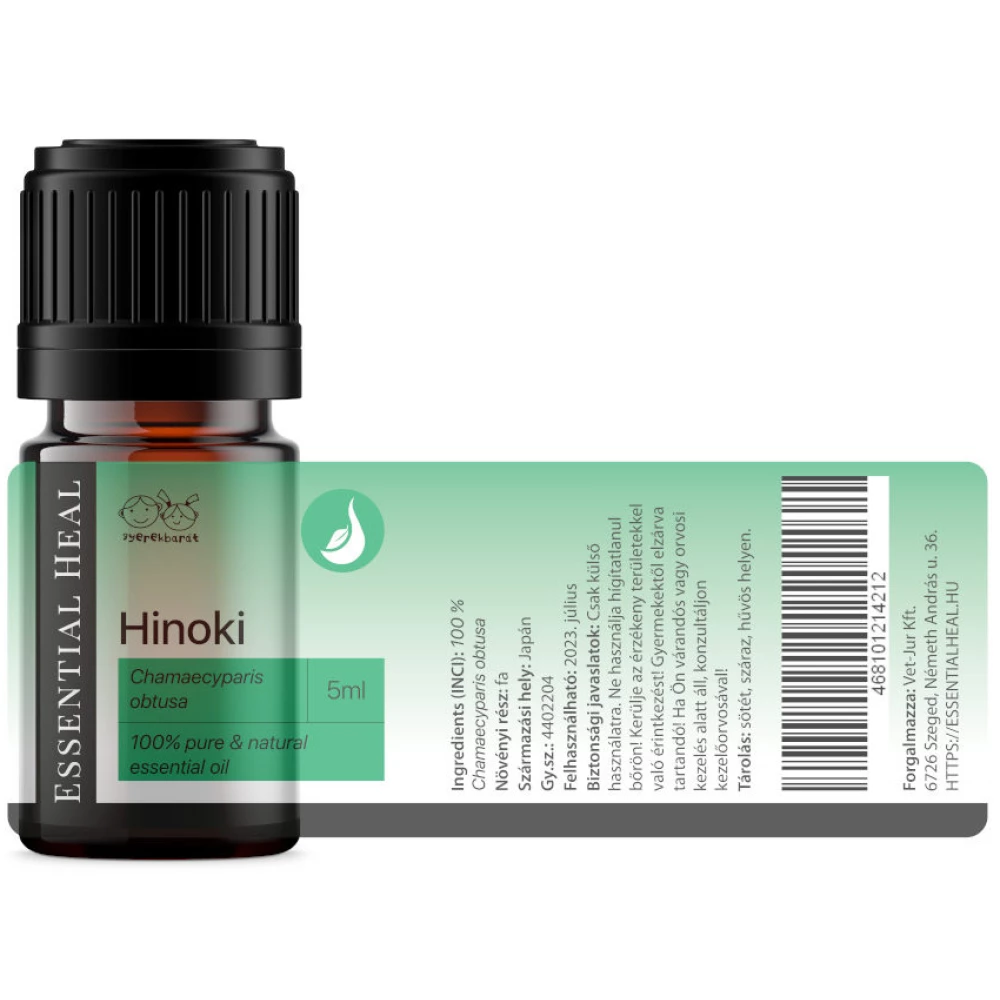
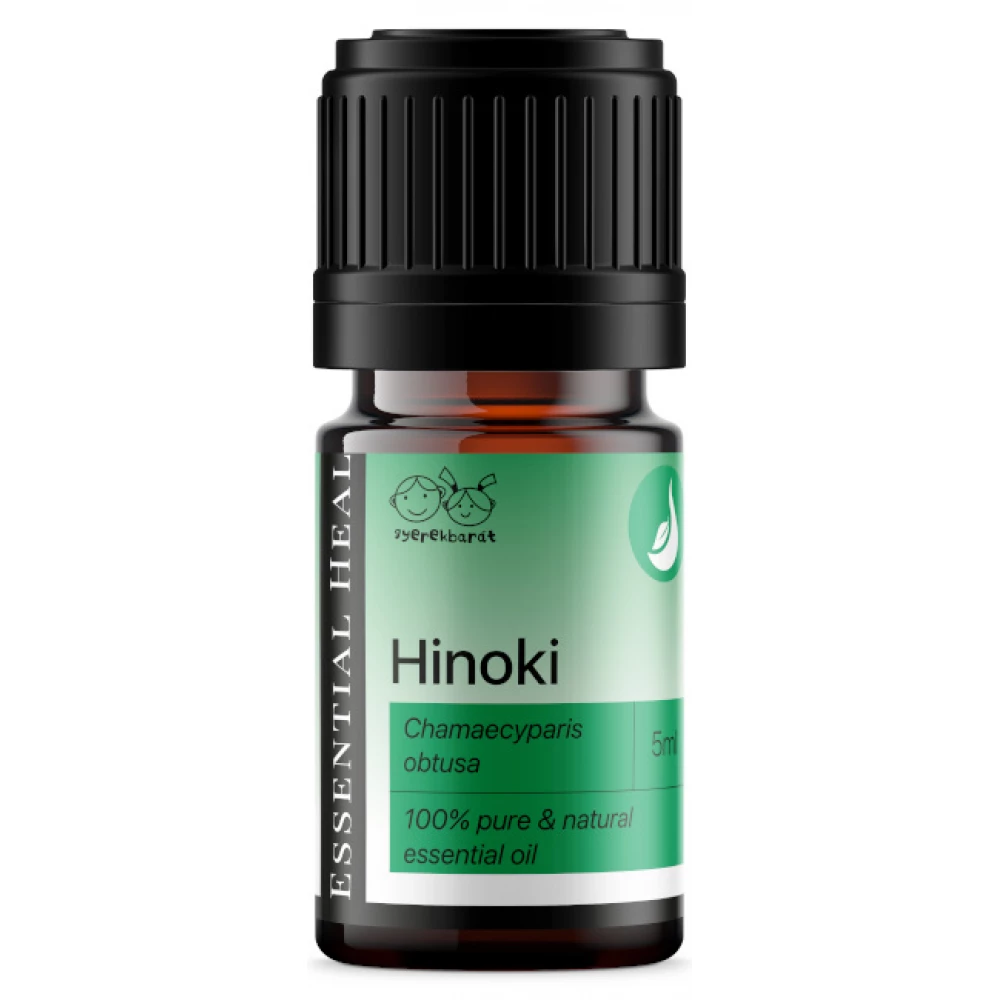
Hinoki essential oil - Japan ciprus
not available
Product description
Hinoki essential oil - Japanese cypress
Chamaecyparis obtusa (Hinoki) is an evergreen in the citrus family native to Japan, which is listed as "near threatened" on the Red List of Threatened Species, but this applies to old Hinoki trees. There are plenty of hinoki forests throughout Japan; most of these are planted forests, it does not apply to them.
Hinoki is considered to be a very high-quality wood, and thanks to its resistance to parasites and fungi, it is mainly used in the wood industry and construction industry in Japan, and is used to build palaces, churches, sanctuaries, baths, and traditional theaters. The wood has a lemon scent, is light pinkish-brown in color, and is resistant to rot and insects. Well-built hinoki structures can last up to 1000 years, some buildings are even older.
Most Hinoki essential oils are distilled from sawdust and wood from the construction industry, as well as from trees cut down as part of the thinning of trees planted for sustainability. This essential oil is a wonderful alternative to using Cypress essential oil, its aroma is slightly softer with woody, spicy and lemony notes.
Therapeutically, Hinoki essential oil is often used to induce a grounding effect and relieve stress, anxiety and tension. Its medicinal benefits are numerous, it increases immunity, cleans wounds, reduces inflammation, relieves muscle and joint pain, stimulates hair growth, prevents the growth of bacteria, microbes and fungi, can help eliminate congestion and phlegm accumulation and asthma in treatment. In addition to all this, it is also a natural insect repellent.
Emotionally, Hinoki essential oil is a gentle, relaxing, calming oil that relieves anxiety, provides a sense of security and balances the activity of the parasympathetic nervous system. It gives energy and lifts the mind. Hinoki essential oil offers countless valuable benefits, just like the tree from which it is extracted.
More on the effects of Hinoki essential oil: HERE
PRICE NOTIFICATION
Recommended for you
Similar products
NOTEBOOK SEARCH
OPINIONS
OPINIONS
