
Dear Visitor! We are carrying out maintenance this weekend, so our website may be slow or briefly unavailable at times. Thank you for your patience!
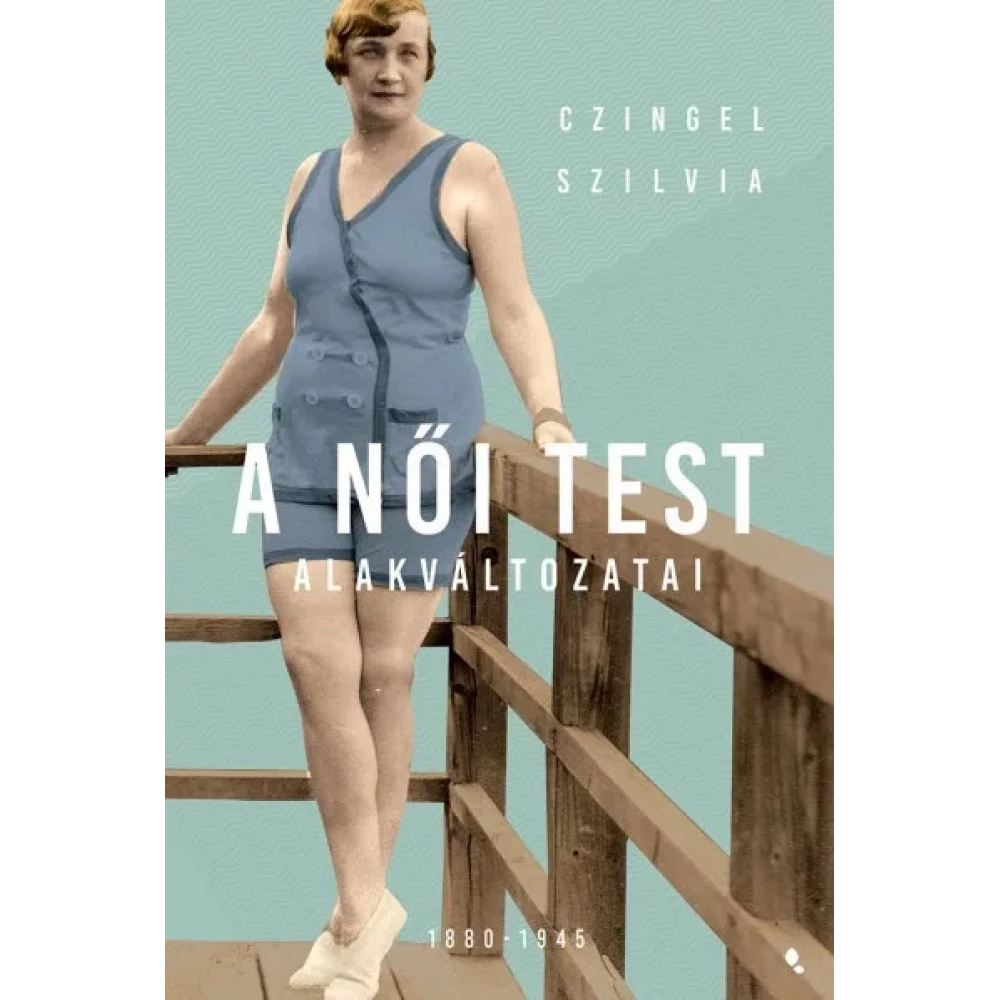
Czingel Szilvia - A female test alakváltozatai 1880-1945
2 745 Ft
Product description
The sixty-five years before the Second World War had a decisive impact on women's body culture. One of the high points of the process was the 1920s, when the female silhouette was completely transformed and the modern female body in today's sense was born. After the centuries-old fashion of wearing corsets, the legs and even the thighs suddenly became visible, short bob haircuts and weight loss came into fashion. Women began to familiarize themselves with the types of modern underwear and appeared on the beaches, where they could even venture into the water in strict bathing suits. Sports became popular among them, lipstick appeared on their lips, and red nail polish bloomed on the nails of the more daring ones.
In her new book, Szilvia Czingel examines how the huge social and cultural changes that took place in the period between 1880-1945 - such as the two world wars, the mass entry of women into work, the increasing industrialization, the art nouveau or the jazz age - affected women's body culture. In the era, women hit walls and permissive gestures at the same time, as a result of which a real "body craze" unfolded. Contributing to all of this were the women's beauty contests that had an elemental effect, the winners of which became role models for masses of young girls.
The shape variations of the female body show how the modern ideal of female beauty, the ideal body, was born, and how the expectations and challenges that today's women try to meet also developed.
Czingel Szilvia, an ethnographic researcher and cultural anthropologist, was an employee of the Centropa Foundation for fourteen years. Two books have been published on religious ethnography: Holidays and Weekdays - Jewish Religious Ethnography in the Carpathian Basin and Cookbook for Survival, written using the method of oral history, written by Hungarian women deported to the Lichtenwörth camp in Austria during the Holocaust. The story was staged by the Golem Theater and is still performed with great success today. He currently holds storytelling courses and city walks about the "intimate" everyday life of Budapest.
PRICE NOTIFICATION
NOTEBOOK SEARCH

OPINIONS
0.0
