
Dear Visitor! We are carrying out maintenance this weekend, so our website may be slow or briefly unavailable at times. Thank you for your patience!
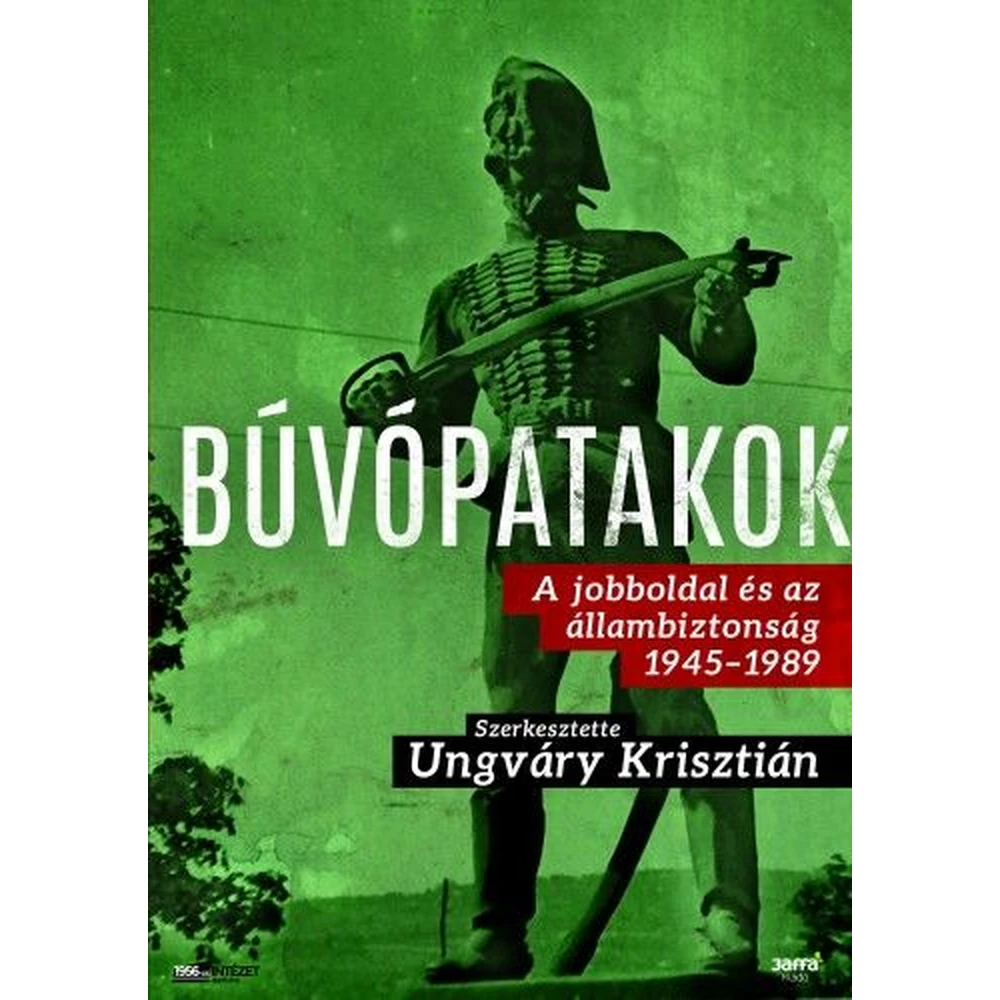
Búvópatakok - A jobboldal and az állambiztonság 1945-1989
2 738 Ft
Product description
It is well known that during the dictatorship of the party state, all right-wing ideas were considered to be inherently persecuted. But how did people and movements considered right-wing according to the traditional political division survive the persecutions of the Rákosi and then the Kádár regime? Who chose the silent "submergence" for decades, and who continued to actively represent their former ideals? And based on the documents available to us, is it possible to distinguish real social phenomena linked to the right from the constructed matters of state security?
The study volume edited by Krisztián Ungváry provides a representative selection from the history of the Kádár system's state security tradition and thought considered "right-wing", as well as the history of the groups representing it between 1945 and 1990. Since the actors and views of this rather broad political palette - from progressive conservative ideas to small farmers to university organizations and radical far-right movements - were considered "enemies" during the communist and state socialist dictatorships, the studies in the volume are primarily based on the processing of state security documents.
The compilation provides the reader with an overview of the Ministry of the Interior's image of the "right-wing" enemy, discusses in detail the fate of prominent small farmers and Christian Democrat politicians, and also traces the afterlife of pre-war far-right movements. The excellent writings of this gap-filling volume not only shed light on how right-wing traditions survived the half century following the war, but also make the attitudes and mentalities considered right-wing today better understandable.
PRICE NOTIFICATION
NOTEBOOK SEARCH

OPINIONS
0.0
