
Dear Visitor! We are carrying out maintenance this weekend, so our website may be slow or briefly unavailable at times. Thank you for your patience!
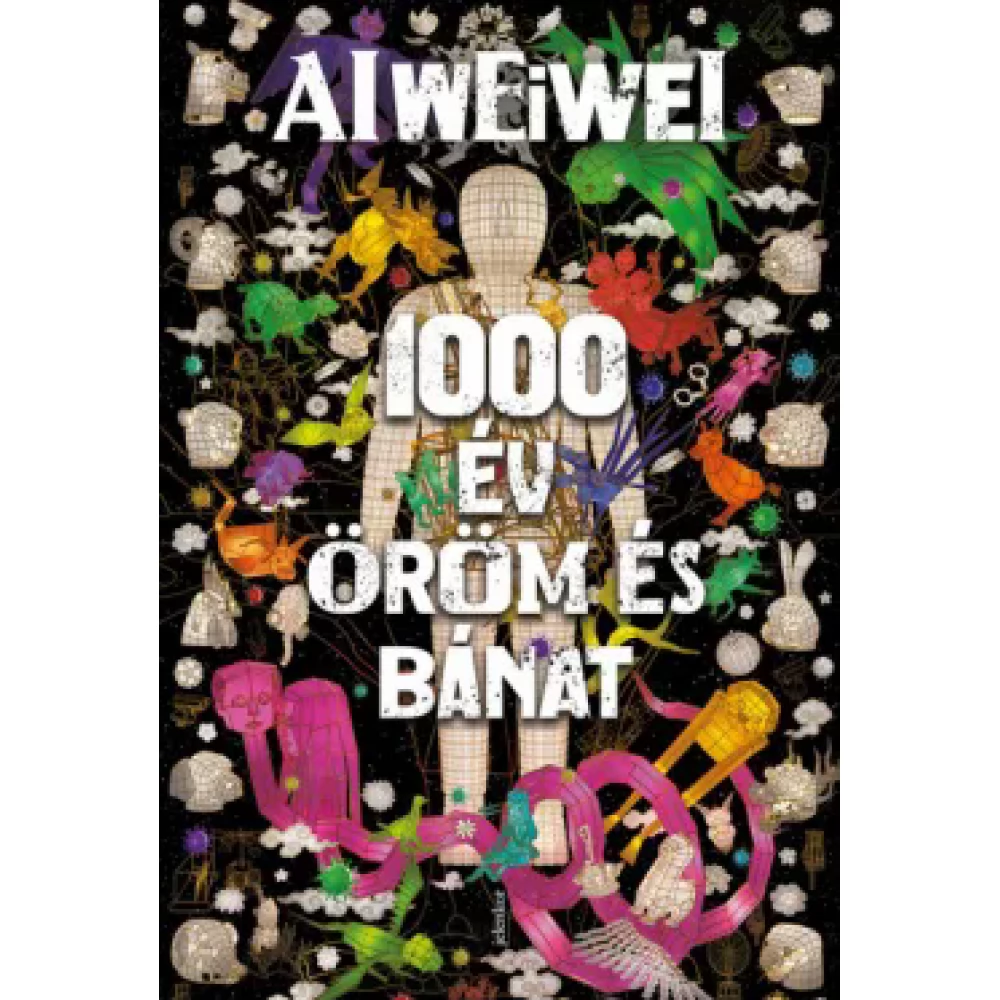
Ai Weiwei - 1000 year öröm and sorrow
Product description
"The voice of freedom: eloquent and unspeakable," praises Ai Weiwei's wide-ranging memoir, in which the author presents the history of the last hundred years of China in addition to his own artistic development.
Ai Weiwei's father, Ai Ching, a former confidant of Mao Zedong and the nation's celebrated poet, was branded a right-winger during the Chinese Cultural Revolution and was exiled with his family to the desolate "Little Siberia", where he had to clean latrines as a punishment. Ai Weiwei recalls the years spent in exile and the subsequent difficult decision: to leave his family to pursue art studies in America. He describes his return to his native country honestly and stirringly; how he became a world star and international human rights activist from an unknown artist - and how his art was shaped by the totalitarian system in which he lived. His sculptures and installations are known to millions around the world, and he was also involved in the design of the iconic Beijing National Stadium, known as the "Bird's Nest". He is persecuted by the Chinese authorities because of his political activity, and was secretly arrested without charge in 2011.
One of the most influential artists of our time reveals the roots of his exceptional creative talent and passionate political creed through his own and his father's life stories. He talks about his family in an intimate tone, but he also attempts to understand the countless forces and influences that shape modern China, while warning us all: protecting freedom of expression is our permanent and irrevocable duty.
"I was born in 1957, eight years after the birth of the 'new China'. My father was forty-seven years old at the time. When I was a child, he rarely told me about the past, the facts were covered by the thick fog of the prevailing political narrative, and curiosity had dire consequences to even think about In order to meet the requirements of the new order, the Chinese had to come to terms with the decline of the spirit, and at the same time they lost the ability to tell the events as they happened."
NOTEBOOK SEARCH

OPINIONS
0.0
